AI Agents
AI Agents: The Future of Intelligent Automation and Digital Productivity
Introduction
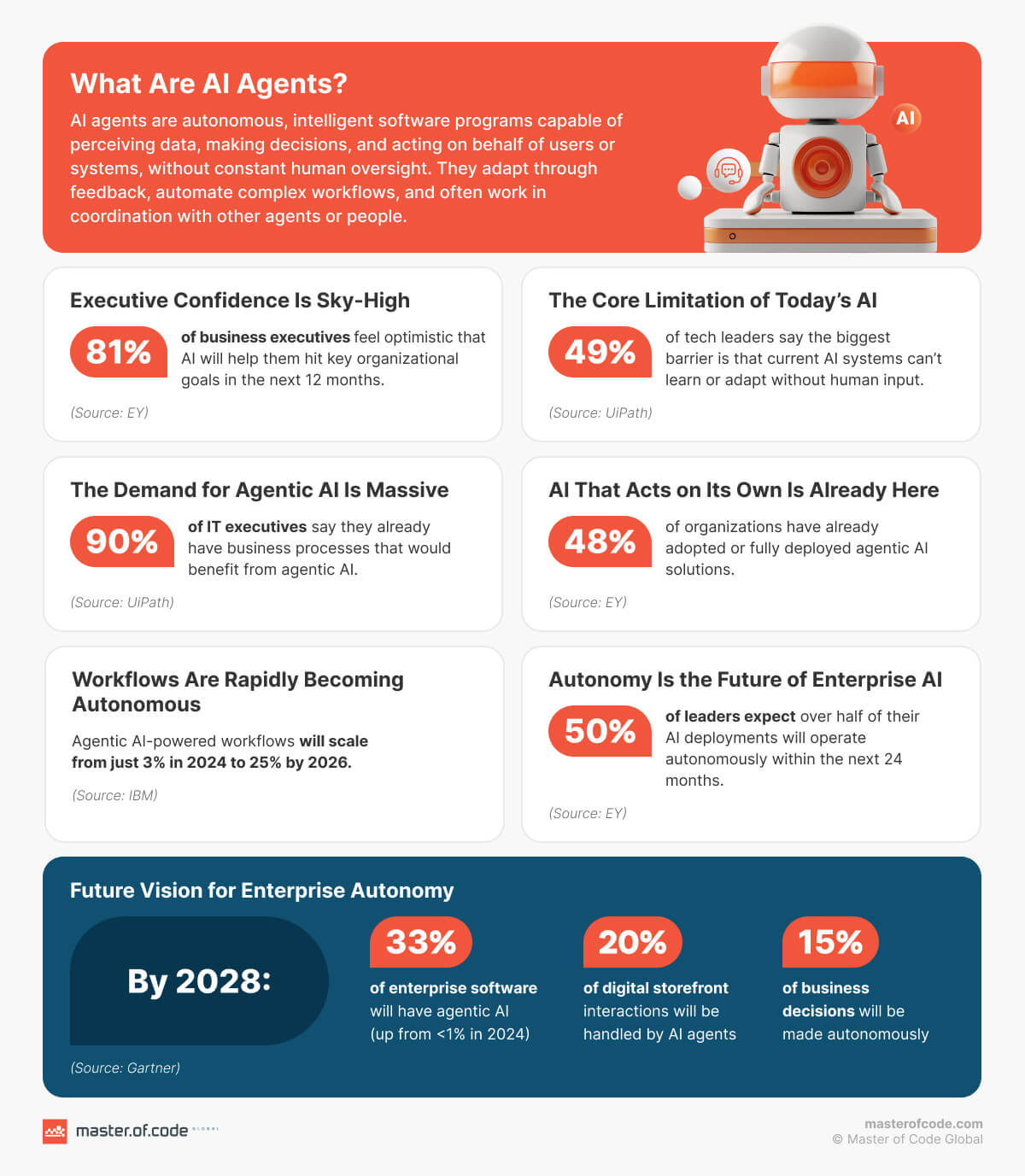
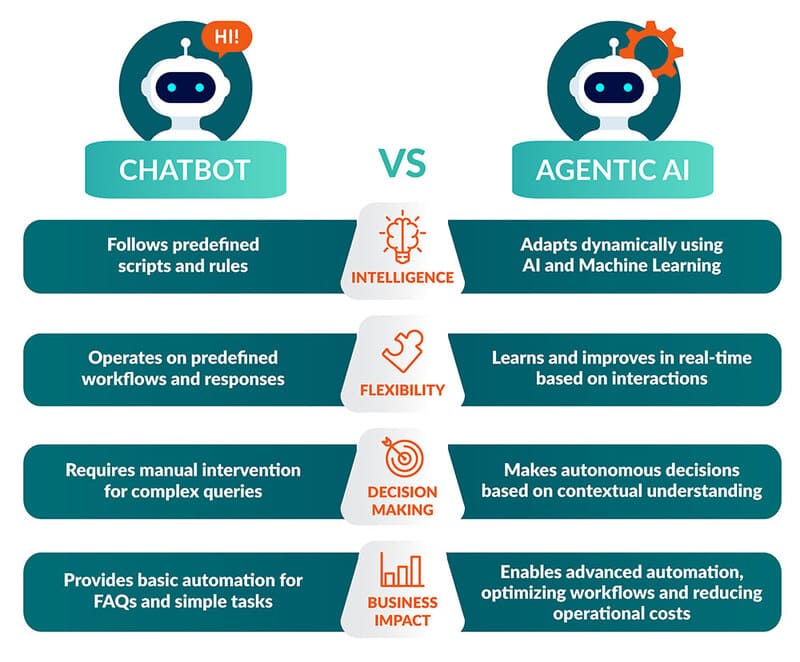
Artificial Intelligence is no longer limited to simple chatbots or basic automation tools. Today, a new generation of intelligent systems known as AI agents is changing the way businesses, professionals, and individuals interact with technology. AI agents can understand goals, make decisions, perform tasks, learn from data, and even collaborate with other systems to complete complex workflows.
From customer service and marketing to software development, finance, healthcare, and personal productivity, AI agents are becoming an essential part of modern digital transformation. They are designed not just to respond to commands but to take action, adapt to changing situations, and deliver outcomes with minimal human intervention.
What Are AI Agents?
An AI agent is an intelligent software system that can perceive information, analyze data, make decisions, and take actions to achieve a specific goal. Unlike traditional software programs that follow fixed instructions, AI agents can operate more independently and adapt their behavior based on inputs, feedback, and environmental changes.
In simple terms, an AI agent acts like a digital assistant with decision-making capabilities. It can receive a task, break it into smaller steps, choose the right tools, execute actions, and improve over time.
How Do AI Agents Work?
AI agents work by combining several core technologies, including machine learning, natural language processing, data analysis, automation, and sometimes large language models. Their workflow usually includes five main stages:
- Perception: The AI agent collects information from its environment.
- Reasoning: The agent processes and interprets the data to identify patterns and intent.
- Planning: The agent creates a plan to complete the task, dividing work into smaller steps.
- Action: The AI agent performs the required actions (sending messages, updating records, etc.).
- Learning and Improvement: Some agents learn from feedback to become more accurate over time.
Key Features of AI Agents
- Autonomy: Work independently once they understand the objective.
- Adaptability: Adjust behavior based on new information or feedback.
- Decision-Making: Evaluate options and choose actions based on data and goals.
- Tool Usage: Interact with software tools, APIs, databases, and CRMs.
- Natural Language Understanding: Understand and respond to human language.
Benefits of AI Agents
- Increased Productivity: Handle repetitive tasks, allowing focus on strategic work.
- Cost Savings: Reduce labor costs and minimize errors through automation.
- Better Customer Experience: Provide instant, personalized support.
- 24/7 Availability: Operate around the clock for global operations.
- Scalability: Manage high volumes of tasks without a proportional resource increase.
Industry Insights and Trends
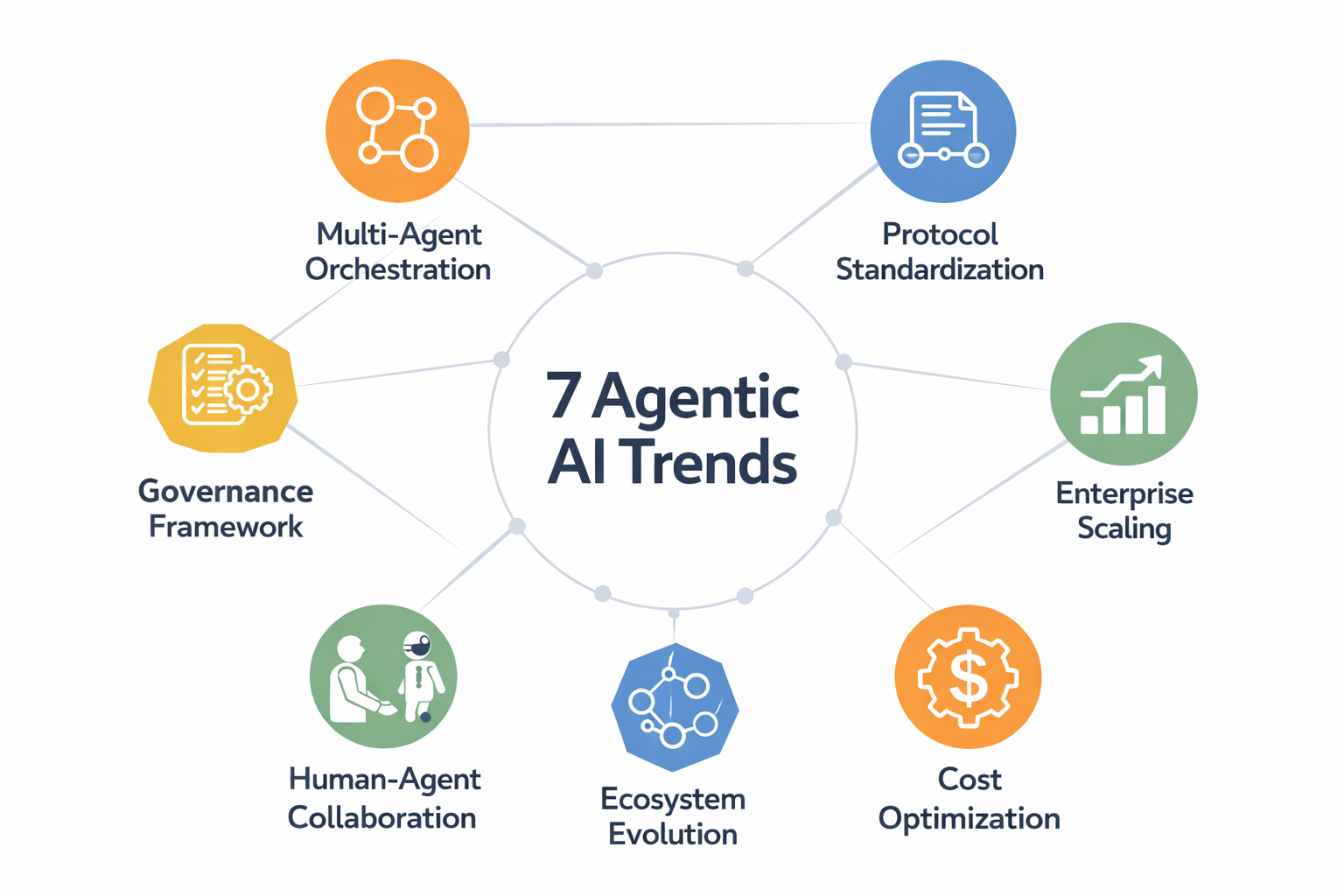
As we move through 2026, the landscape of AI agents is evolving rapidly. According to industry leaders, several key trends are shaping the future:
Google Cloud's 2026 Report highlights five ways AI agents will transform work, including boosting productivity and becoming core to business processes.
Source: Google Cloud
Forbes identifies the 8 biggest AI agent trends for 2026, noting that agents are moving from simple chat functions to carrying out complex multi-step tasks and interacting with third-party systems.
Source: Forbes
Analytics Vidhya reports that enterprises are shifting from testing AI agents to letting them run entire workflows and execute decisions. 2026 is predicted to be the year AI agents become accountable.
Source: Analytics Vidhya
Conclusion
AI agents represent a major step forward in the evolution of artificial intelligence. They are not just tools that respond to commands; they are intelligent systems capable of understanding goals, making decisions, and taking action. As technology continues to advance, AI agents will play a central role in shaping the future of automation, work, and digital interaction.