The Future of AI Agents
AI Agents, Automation, and Agentic AI: 2026 Trends Reshaping the Future of Work
Introduction: The Rise of AI Agents in 2026
AI agents are quickly becoming one of the most important technologies shaping the future of automation. While traditional automation tools follow fixed rules, AI agents can understand goals, make decisions, use tools, interact with software, and complete tasks with minimal human involvement. This shift is creating a new era of agentic AI, where intelligent systems do more than generate content — they take action.
By 2026, AI agents are expected to move from experimental tools to mainstream business infrastructure. Companies will use them to automate customer support, sales operations, software development, data analysis, marketing, finance, HR, cybersecurity, and supply chain processes. Instead of asking AI to simply answer a question, users will increasingly ask AI to complete a business outcome.
This article explores the major AI agents automation trends for 2026, how agentic AI is transforming industries, and what businesses should do to prepare.
What Are AI Agents?
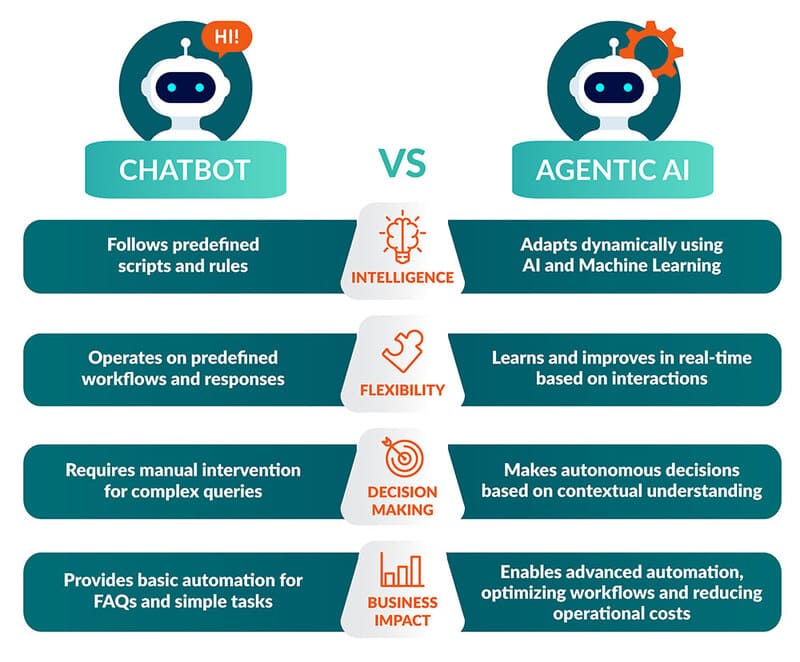
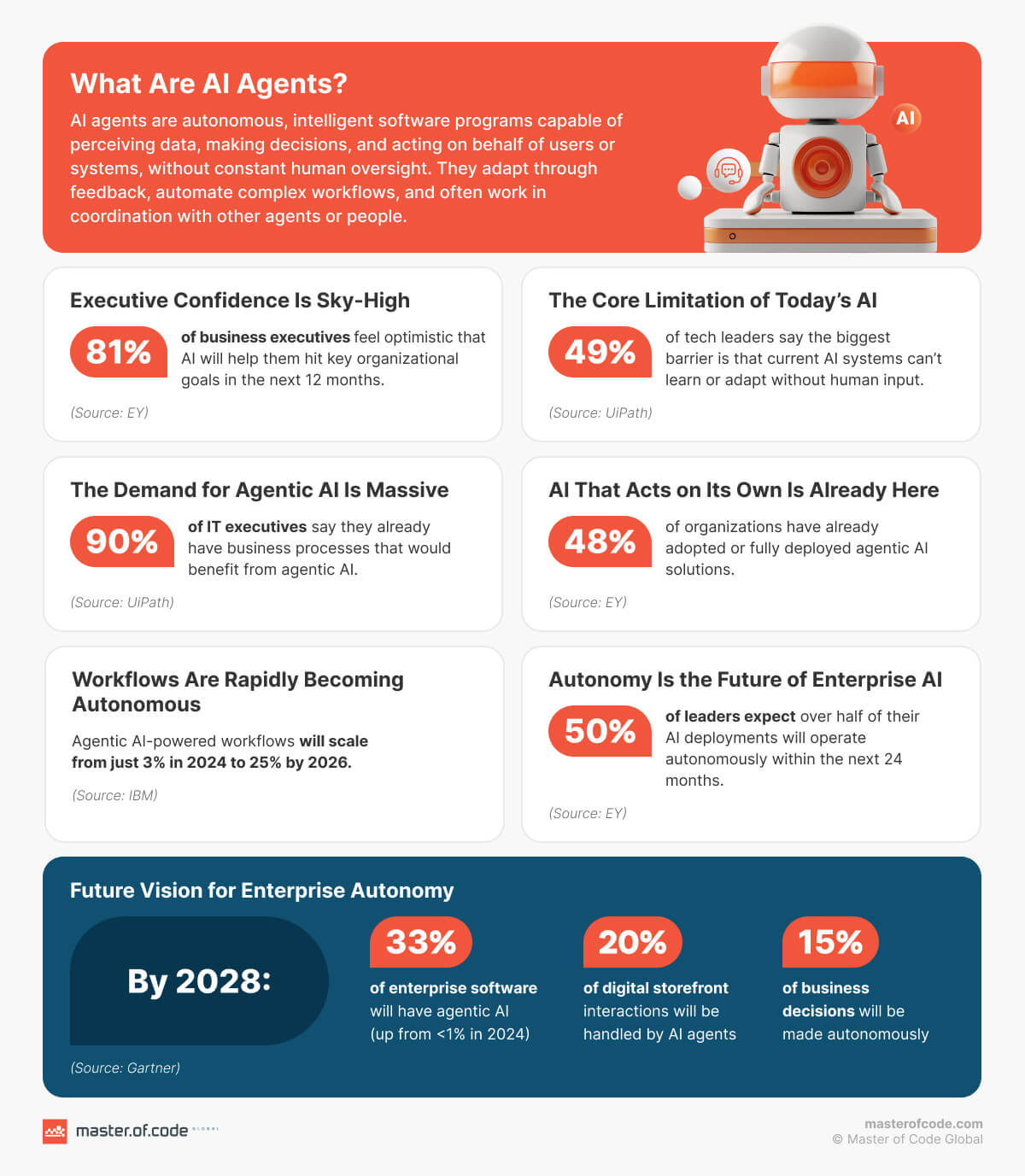
AI agents are software systems powered by artificial intelligence that can perform tasks on behalf of users. They can observe information, reason through problems, make decisions, and execute actions using digital tools. Unlike basic chatbots, AI agents can often work across multiple steps and applications.
For example, an AI agent may be able to:
- Read and summarize emails
- Schedule meetings
- Analyze sales data
- Generate reports
- Update CRM records
- Create marketing campaigns
- Monitor cybersecurity alerts
- Write and test software code
- Handle customer service tickets
The most advanced AI agents are designed to work autonomously. They receive a goal, plan the steps required, use available tools, check results, and adjust their approach when needed. This makes them especially powerful for automation.
What Is Agentic AI?
Agentic AI refers to artificial intelligence systems that can act with a higher level of autonomy. The word “agentic” comes from the idea of agency — the ability to take initiative and make decisions.
Traditional AI systems usually respond to direct prompts. Agentic AI systems can pursue objectives. They may break down a complex goal into smaller tasks, select the right tools, communicate with other systems, and complete workflows from beginning to end.
For example, a traditional AI tool might write a sales email when prompted. An agentic AI system could identify potential leads, research each company, personalize outreach emails, send them through a sales platform, track responses, and update the CRM.
This ability to move from response-based AI to action-based AI is why agentic AI is becoming a major automation trend.
Why AI Agents Matter for Automation
Automation has been a business priority for decades. Companies have used robotic process automation, workflow tools, scripts, and integrations to reduce repetitive work. However, many older automation systems are rigid. They work well only when processes are predictable and structured.
AI agents introduce flexibility. They can interpret natural language, understand unstructured data, adapt to changing conditions, and make judgment-based decisions. This allows businesses to automate more complex tasks that were previously difficult to handle with traditional software.
Key benefits of AI agent automation include:
- Faster task completion
- Lower operational costs
- Improved employee productivity
- Better customer experiences
- 24/7 process execution
- Scalable business operations
- Reduced manual errors
- More intelligent decision-making
In 2026, the combination of AI agents and automation will likely become a core part of digital transformation strategies.
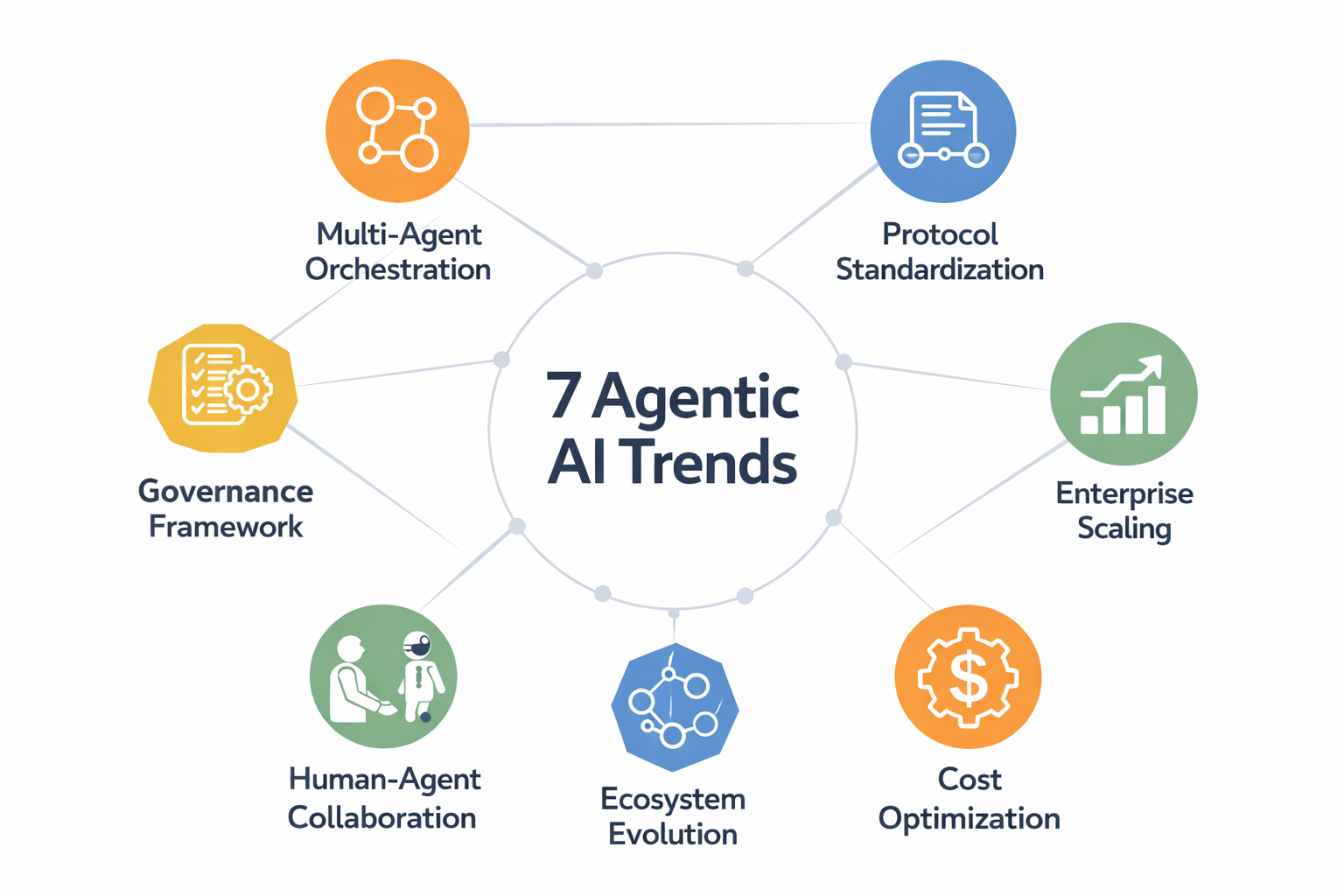
Top AI Agents and Agentic AI Trends for 2026
1. Enterprise AI Agents Will Become Mainstream
One of the biggest 2026 trends will be the rise of enterprise AI agents. Businesses will no longer see AI agents as experimental productivity tools. Instead, they will deploy them across departments to automate real workflows.
2. Multi-Agent Systems Will Power Complex Workflows
In 2026, multi-agent systems will become more common. A multi-agent system uses multiple AI agents that work together to complete a larger goal. Each agent may specialize in a specific function.
3. AI Agents Will Transform Customer Service
Customer service is one of the strongest use cases for AI agents. By 2026, many companies will use AI agents to handle customer inquiries, troubleshoot problems, process refunds, update accounts, and escalate complex issues to human representatives.
4. Agentic AI Will Reshape Software Development
Software development will be heavily influenced by AI agents in 2026. Developers are already using AI coding assistants, but the next wave will involve agentic systems that can manage larger parts of the software development lifecycle.
Sources & References
Explore the detailed reports and insights that informed this article:
- Master of Code Global: 150+ AI Agent Statistics [2026] - Insights on market size, growth, and enterprise adoption.
- Google Cloud: AI agent trends 2026 report - Five trends driving business transformation.
- Prolifics: AI Technology Trends 2026: Strategic Roadmap - Strategic realities for enterprise leaders.
- MachineLearningMastery: 7 Agentic AI Trends to Watch in 2026 - Moving from prototypes to production.
- Acropolium: Agentic AI Trends 2026 - Future of autonomous AI agents.
Sources embedded via Perplexity and related research.