AI Agent Trends 2026: The Rise of Autonomous Agents

AI Agent: Trends Transforming Life in 2026 and Beyond
As we explore the changing world of artificial intelligence, one of the most exciting developments is agentic AI. By 2026, these AI agents are expected to significantly impact various areas of our lives, from personal assistance to intricate business decision-making. This article delves into what agentic AI is, its anticipated applications by 2026, and its effects on society and industries.
What is Agentic AI?
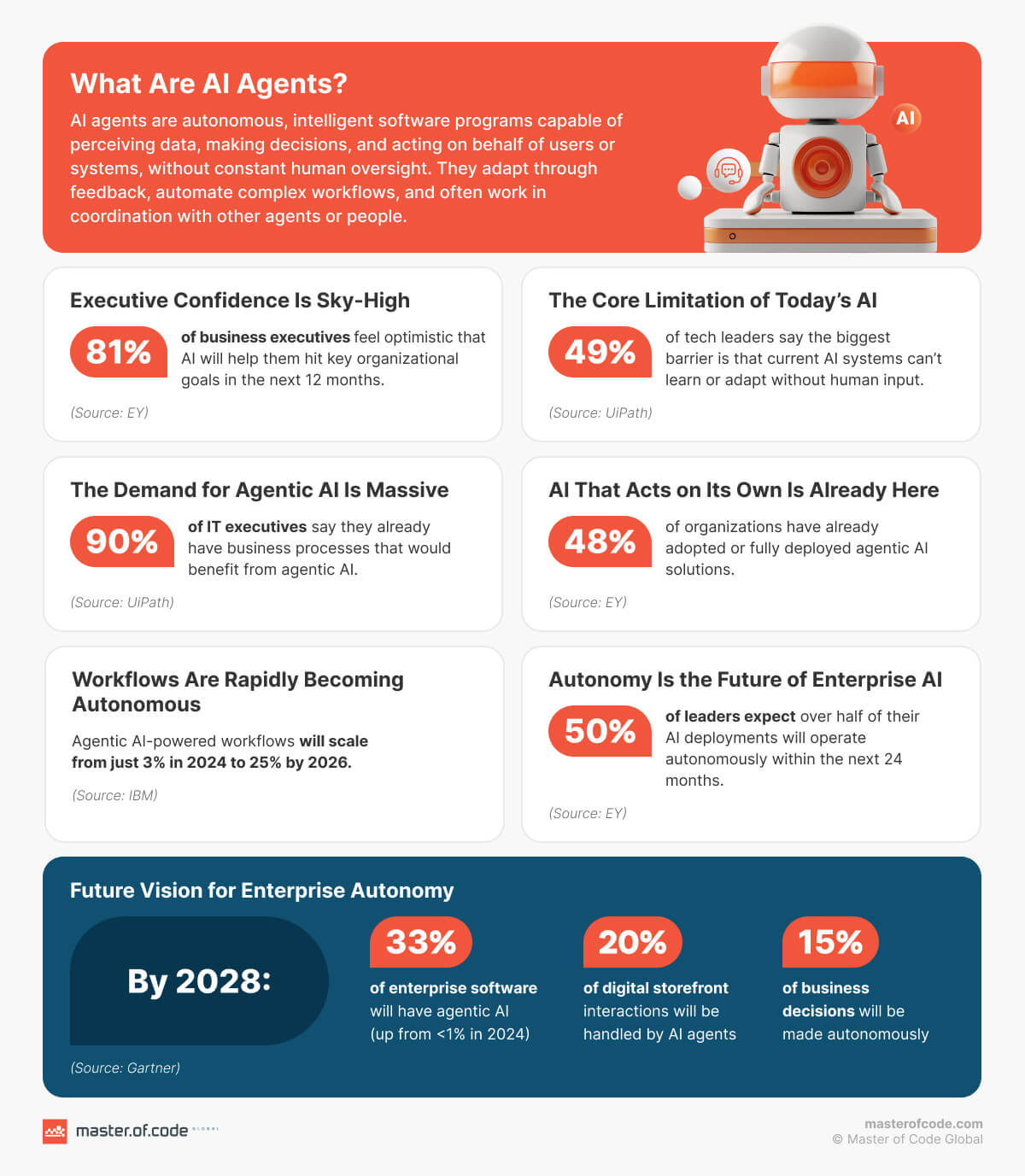
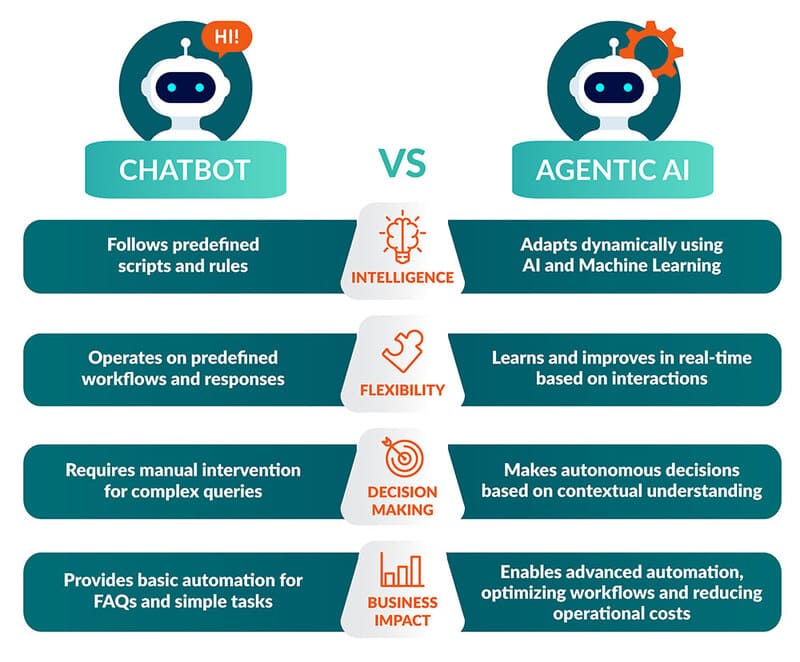
Agentic AI refers to sophisticated AI systems that can perform tasks on their own. These agents can understand their surroundings, make decisions, and take actions to meet specific objectives. Unlike traditional AI, which needs detailed instructions for every task, agentic AI can learn and adapt to new situations, making it highly flexible and effective.
Main Features of Agentic AI
- Independence: Agentic AI can operate on its own without needing constant human oversight. This independence allows these agents to make real-time decisions in ever-changing environments.
- Flexibility: A key trait of agentic AI is its ability to adjust to new information and shifting circumstances, ensuring that these agents remain effective as conditions change.
- Engagement: Agentic AI can communicate with humans and other AI systems, which is essential for collaborative tasks that require teamwork between humans and AI for the best outcomes.
- Anticipation: Unlike systems that only react to situations, agentic AI can foresee future events and take proactive measures. This forward-thinking approach is particularly valuable in areas like predictive maintenance and risk management.
Expected Applications of Agentic AI by 2026
1. Healthcare
In the healthcare sector, agentic AI will enhance patient care and medical research. AI agents will monitor patients in real-time, predict health issues, and suggest personalized treatment plans. They will also automate administrative tasks, allowing healthcare workers to concentrate more on patient care.
2. Self-Driving Vehicles
Agentic AI will be fundamental to the operation of autonomous vehicles. By 2026, self-driving cars are expected to be more common, thanks to AI agents that can manage complex traffic situations, ensure passenger safety, and optimize travel routes.
3. Smart Homes and Cities
AI agents will be essential in developing smart homes and cities. They will oversee energy use, improve security systems, and facilitate urban planning, contributing to more sustainable and efficient living spaces.
4. Business and Finance
In business, agentic AI will streamline routine tasks, offer data-driven insights, and enhance customer service through advanced chatbots and virtual assistants. In finance, AI agents will assist with fraud detection, investment strategies, and personalized financial planning.
5. Education
The education sector is also set for change. AI agents will provide tailored learning experiences, adjusting to each student's learning pace and style. They will also support educators by automating grading and offering insights into student performance.
Societal and Industrial Implications
Economic Impact
Agentic AI is likely to increase productivity across various sectors, fostering economic growth. However, it may also disrupt job markets, requiring a shift in workforce skills and education. Industries must prioritize reskilling and upskilling their employees to fully utilize AI's potential.
Ethical and Privacy Issues
As AI agents gain more autonomy, it is crucial to address ethical and privacy concerns. Ensuring that AI systems operate transparently and respect individual privacy will be vital. Developing strong regulatory frameworks and ethical guidelines will be necessary to tackle these issues.
Social Changes
Agentic AI could change social dynamics by influencing how people interact with technology and each other. While it has the potential to enhance quality of life, it also raises concerns about reliance on technology and the digital divide.
Preparing for the Future
To maximize the advantages of agentic AI by 2026, stakeholders must collaborate to tackle the associated challenges and opportunities. Governments, businesses, and educational institutions should invest in research and development, create supportive policies, and encourage a culture of innovation.
Sources and In-Content Images from Perplexity