AI Agent: The Rise of Agentic AI and Autonomous Agents in 2026

AI Agent: The Rise of Agentic AI and Autonomous Agents in 2026
Introduction
As technology rapidly advances, artificial intelligence (AI) has become a key player, changing industries and expanding what machines can do. A fascinating aspect of AI is the rise of AI agents, agentic AI, and autonomous agents. These innovations are altering our interactions with technology, allowing machines to execute tasks with a level of independence and decision-making that once seemed like science fiction. This article will explore AI agents, their functions, uses, and the potential they hold for the future.
Understanding AI Agents
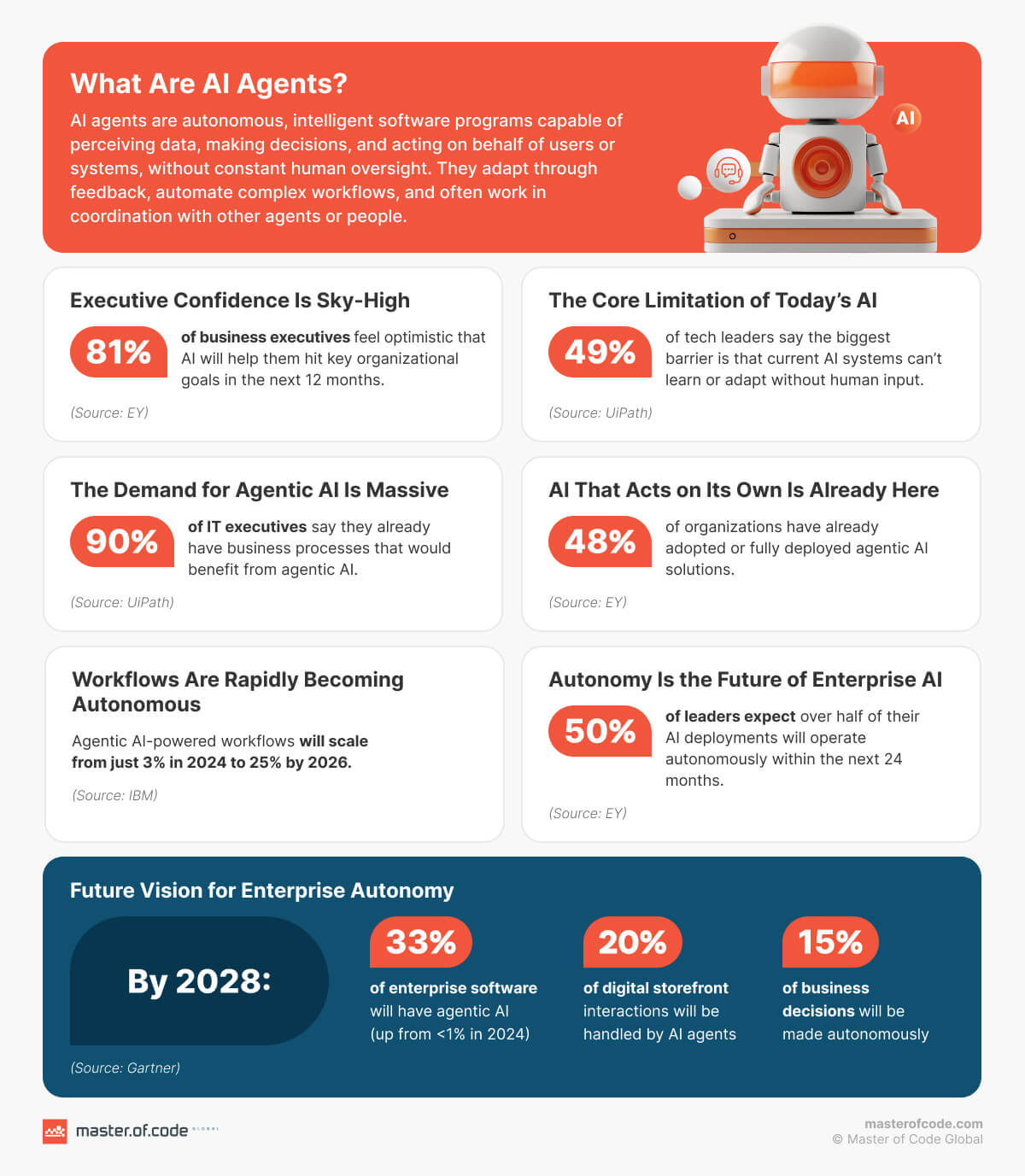
AI agents are software programs or algorithms created to carry out specific tasks either autonomously or with some degree of assistance. They work within set guidelines and can adjust to new information or changing conditions. AI agents can be classified based on their autonomy, complexity, and the tasks they are designed to handle.
Agentic AI: Advancing Beyond Basic Automation
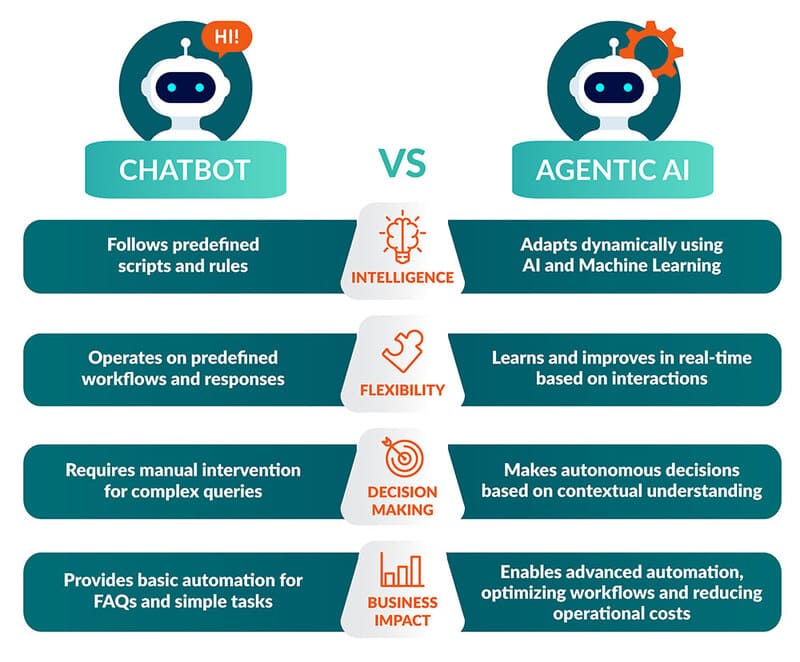
Agentic AI marks a significant advancement beyond simple automation. It refers to AI systems that possess a level of agency, enabling them to make decisions, learn from their surroundings, and modify their behavior as needed. These systems go beyond just following preset instructions; they can grasp context, anticipate outcomes, and refine their actions to meet specific goals.
Autonomous Agents: The Height of AI Independence
Autonomous agents represent the highest level of AI independence. They are built to function without human input, making decisions based on their objectives and interactions with their environment. These agents can navigate complex situations, such as self-driving cars managing traffic or robots working in unpredictable settings. Creating autonomous agents demands advanced artificial intelligence, machine learning, and sensor technologies.
Applications of AI Agents
- Customer Service: AI agents are transforming customer service by offering immediate support, addressing inquiries, and resolving problems. Chatbots and virtual assistants are now common, providing round-the-clock assistance and enhancing customer satisfaction.
- Healthcare: In the healthcare sector, AI agents aid in patient monitoring, diagnostics, and creating personalized treatment plans. They analyze medical data, recognize patterns, and offer insights to healthcare professionals, improving patient care and outcomes.
- Finance: Financial institutions utilize AI agents for tasks like fraud detection, algorithmic trading, and tailored financial advice. These agents analyze large data sets to spot anomalies and make quick decisions.
- Autonomous Vehicles: Self-driving cars and drones depend on autonomous agents to navigate and make rapid decisions. These agents interpret sensor data to understand their environment, ensuring safe and efficient travel.
- Smart Homes: In smart homes, AI agents oversee energy usage, security, and device management. They learn user preferences and optimize home settings for comfort and efficiency.
Challenges and Ethical Considerations
Despite their promise, AI agents bring challenges and ethical dilemmas. It's vital to ensure privacy, security, and transparency in their functions. The decisions made by autonomous agents should be ethical, fair, and in line with societal values. As these agents become more integrated into everyday life, it is crucial to address biases in AI algorithms and maintain human oversight.
The Future of AI Agents
The outlook for AI agents is bright, with continuous advancements in machine learning, natural language processing, and robotics driving their growth. As AI agents become more advanced, they will significantly impact various industries, boosting productivity, efficiency, and innovation.
Conclusion
AI agents, agentic AI, and autonomous agents are more than just technological trends; they are powerful forces shaping the future. By understanding and leveraging their potential, we can create new opportunities across different fields, leading to a more interconnected and intelligent world. As we continue to explore and develop these technologies, it is essential to consider the ethical and societal implications, ensuring that AI serves as a positive force in the future.