AI Agents 2026: Revolutionizing Automation with Agentic AI
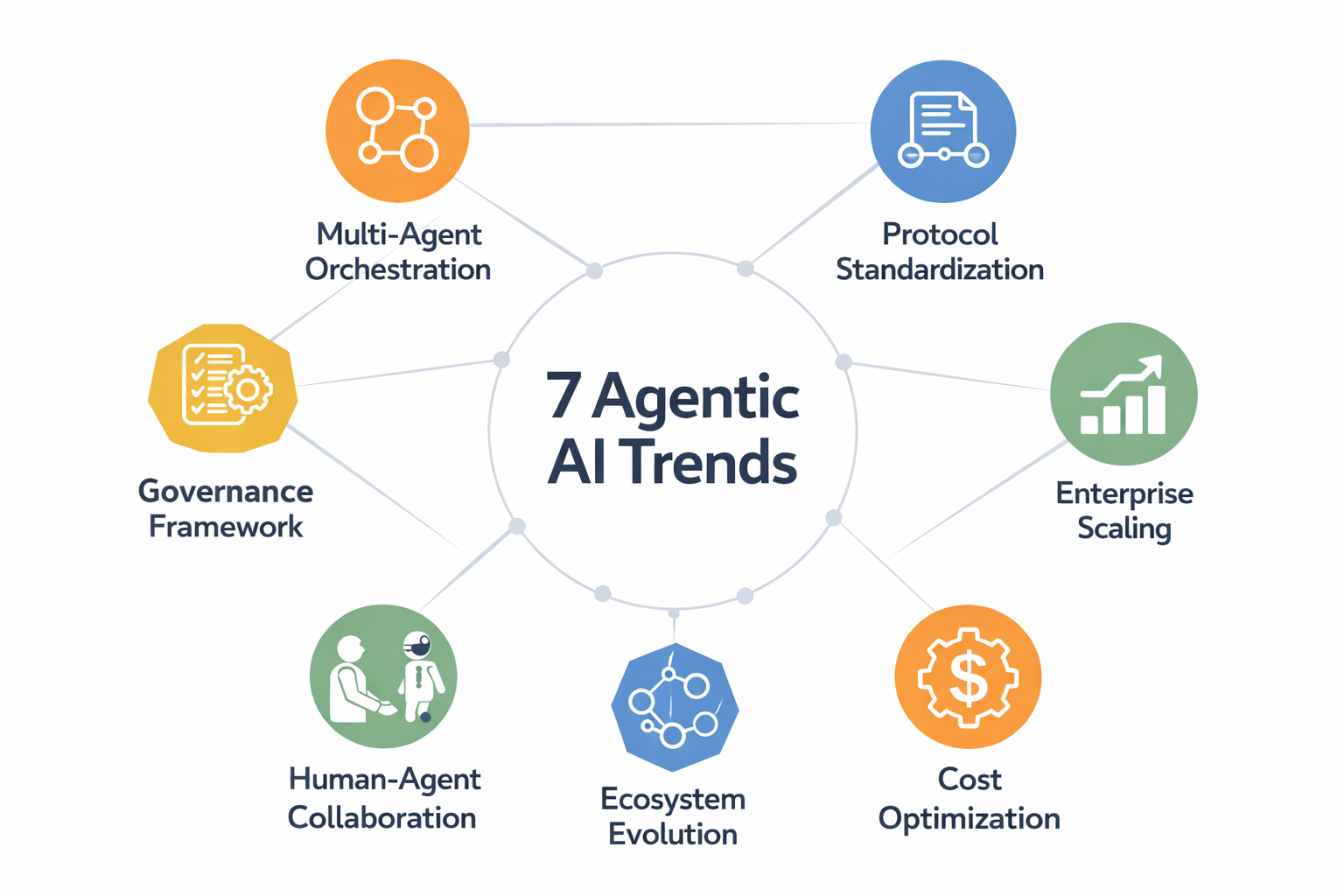
The Future of AI Agents: Trends, Use Cases, and Autonomous Systems by 2026
Introduction
Artificial Intelligence (AI) has significantly impacted numerous industries, with AI agents leading this transformation. These agents are designed to carry out specific tasks independently, revolutionizing sectors and boosting productivity. As we approach 2026, the advancement of AI agents is set to bring even more remarkable changes. This article discusses the trends, applications, and categories of AI agents, particularly emphasizing multi-agent systems and autonomous AI agents.
Understanding AI Agents
What are AI Agents?
AI agents are systems that observe their surroundings and take actions to accomplish designated goals. They can process information, learn from data, and make decisions with little human involvement. These agents vary from basic rule-based systems to advanced models driven by machine learning and deep learning techniques.
Types of AI Agents
- Simple Reflex Agents: These respond to environmental stimuli using predetermined rules. They work well in stable environments but lack flexibility.
- Model-Based Agents: These agents keep an internal representation of the world, enabling them to navigate partially observable situations.
- Goal-Based Agents: These agents work towards specific goals, making them more adaptable than simple reflex agents.
- Utility-Based Agents: These agents strive to maximize their performance by evaluating various options and selecting the best action.
- Learning Agents: These agents enhance their performance over time by learning from their experiences.
Sources
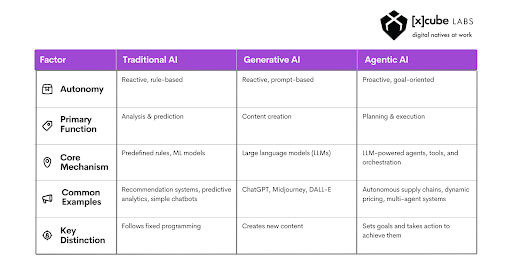
Top 10 Agentic AI Trends to Watch in 2026
Transforming business operations.
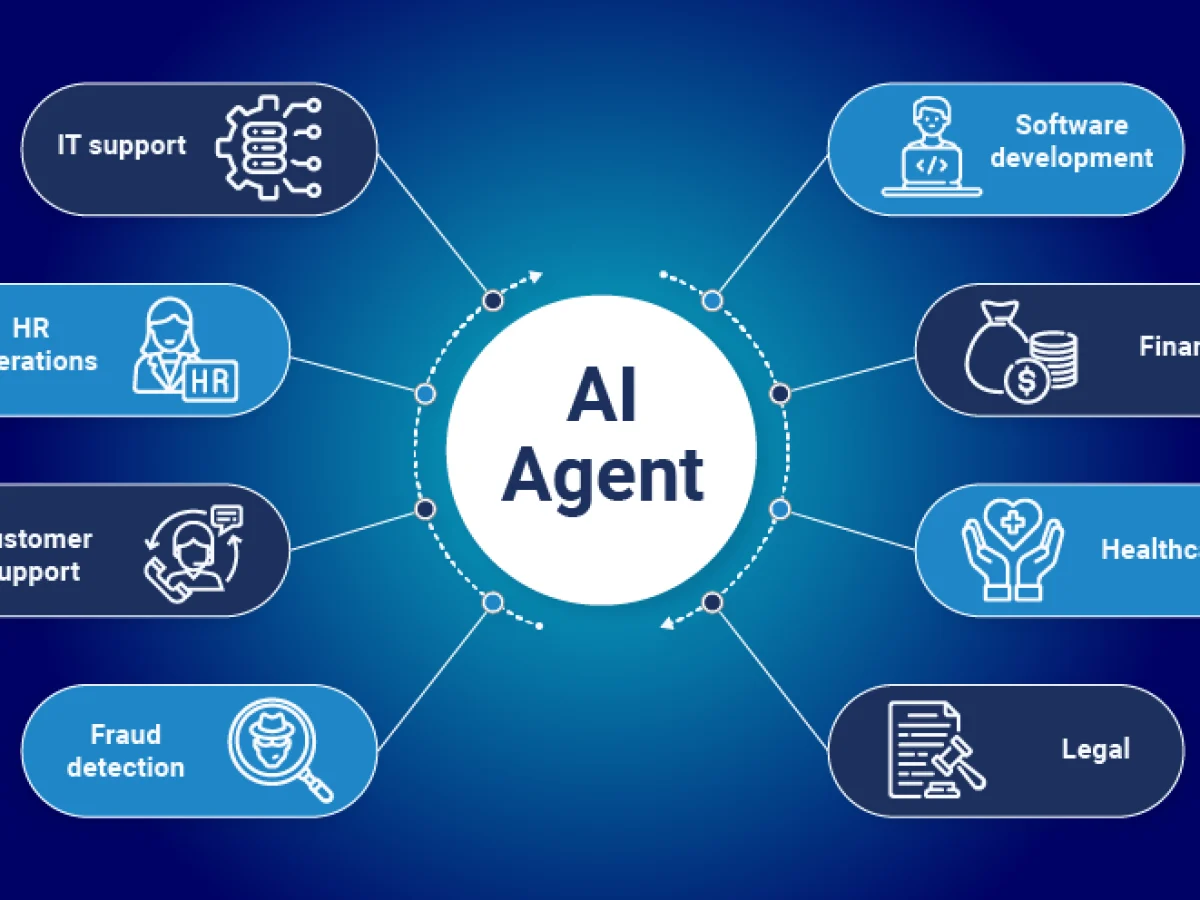
Agentic AI: Use Cases, Benefits
Real-world applications.

The 8 AI Agent Trends For 2026
Biggest trends driving adoption.
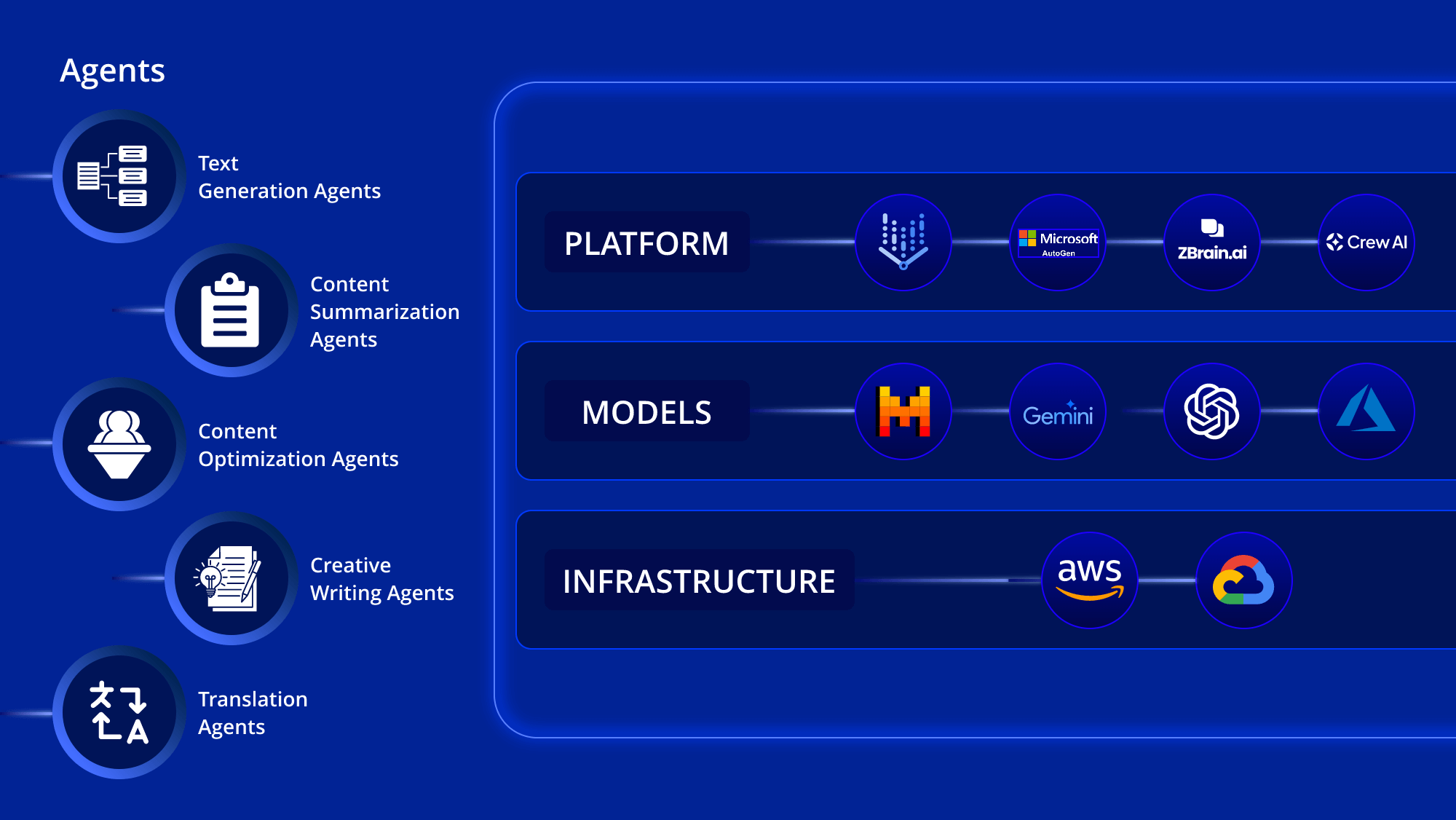
AI agents for content generation
Capabilities, use cases, benefits.
7 Agentic AI Trends to Watch in 2026
Agentic AI field moving to production-ready systems.
