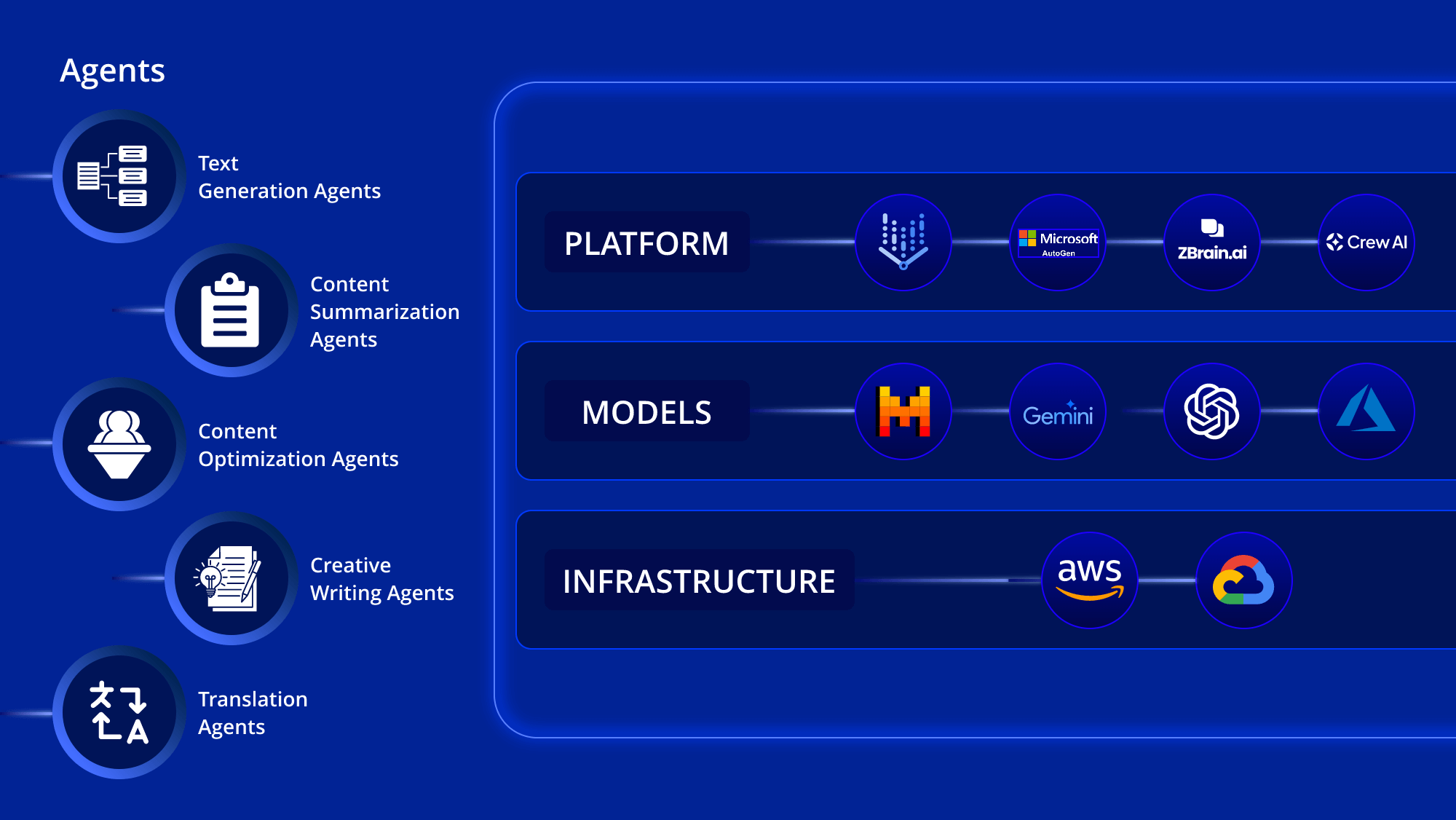
AI Agents 2026: Agentic Revolution | OnDemand Guide 2026-03-25
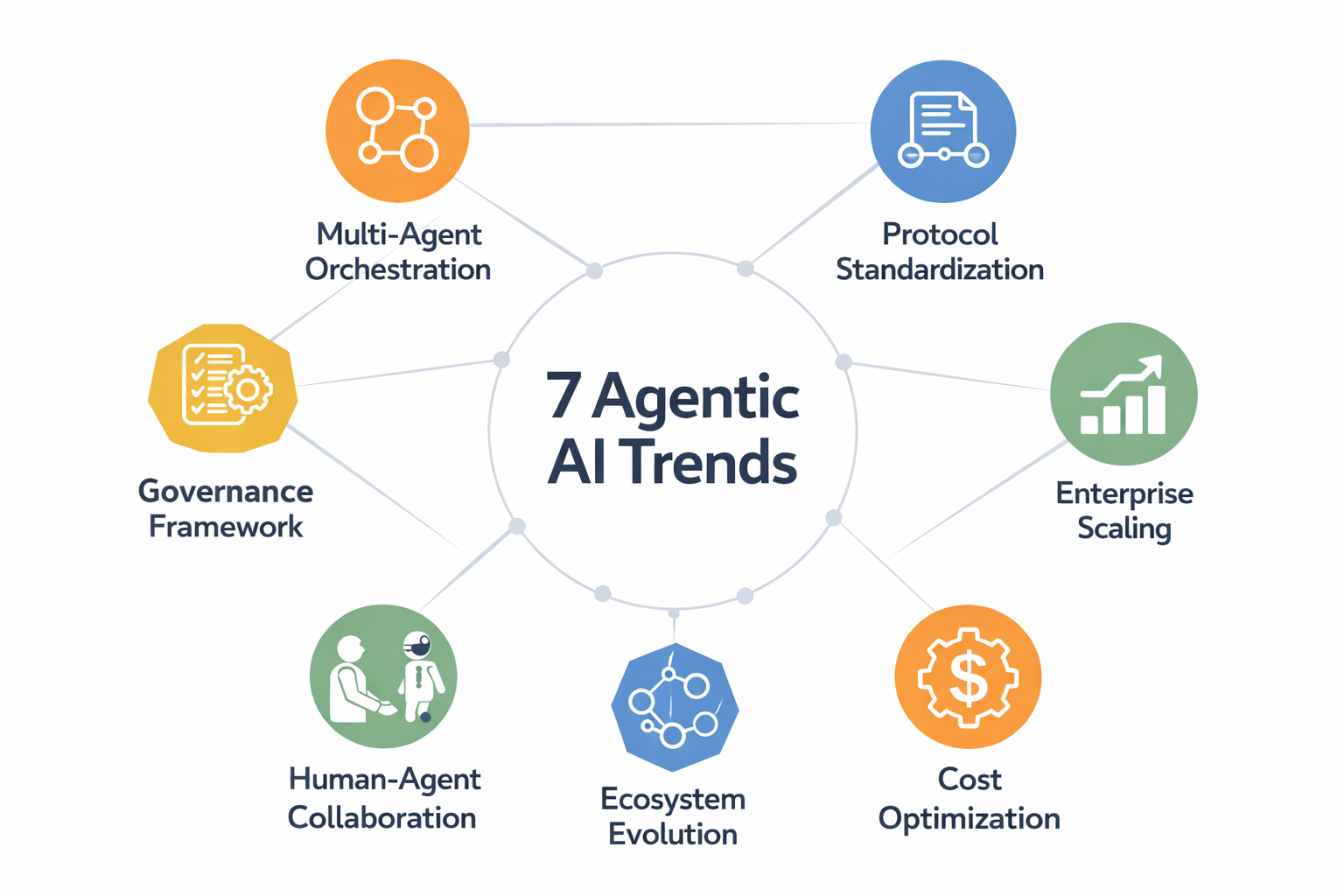
The Agentic Revolution: Trends and Future of Multi-Agent Systems by 2026
Introduction
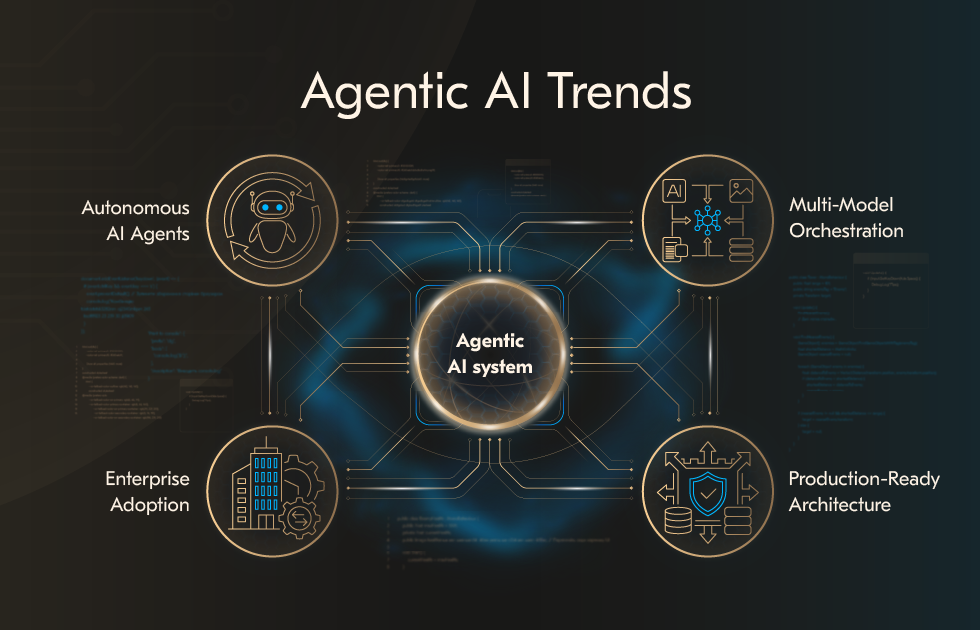
Artificial intelligence (AI) is advancing rapidly, particularly in the area of agentic AI, which encompasses autonomous agents and multi-agent systems. These technologies are crucial in shaping the future of AI and are anticipated to lead to what is termed the "Agentic Revolution." By 2026, the AI agent landscape will have significantly changed, influencing various industries, economies, and everyday life. This article explores current trends, future possibilities, and the collaborative capabilities of multi-agent systems.
The Rise of Agentic AI
Agentic AI refers to systems that can perceive their surroundings, make decisions, and act independently to achieve specific objectives. These agents can work alone or in collaboration with other agents. A key feature of agentic AI is its ability to operate without constant human oversight, making decisions based on established rules, learned experiences, and real-time information.
Autonomous Agents: The Building Blocks
Autonomous agents are the core elements of agentic AI. These entities are designed to carry out tasks independently, ranging from simple actions to complex problem-solving. They are known for their adaptability, learning abilities, and decision-making skills. Autonomous agents are already making a significant impact in sectors like healthcare, finance, and logistics by streamlining processes, cutting costs, and enhancing efficiency.
Multi-Agent Systems: Collaboration at Scale
Multi-agent systems (MAS) consist of numerous interacting agents that work together to achieve shared goals. These systems excel in addressing challenges that require distributed intelligence, such as traffic management, disaster response, and smart grid optimization. The collaborative nature of MAS provides scalability, resilience, and flexibility, making them suitable for intricate, dynamic environments.
Agent Trends in 2026
- Improved Inter-Agent Communication
By 2026, advancements in communication protocols and machine learning will enable agents to interact more effectively. This will enhance their coordination, information sharing, and collective decision-making, resulting in more efficient multi-agent systems. - Integration of AI and IoT
The Internet of Things (IoT) will be vital in the evolution of agentic AI. The combination of AI agents with IoT devices will facilitate seamless data exchange and real-time decision-making, driving innovations in smart cities, autonomous vehicles, and industrial automation. - Ethical and Responsible AI
As AI agents become more widespread, ethical considerations will become increasingly important. By 2026, there will be a greater focus on developing agents that follow ethical guidelines, ensuring transparency, accountability, and fairness in their operations. - Customization and Personalization
Future AI agents will be highly customizable, allowing businesses and individuals to adapt agents to their specific needs and preferences. This trend will lead to more personalized user experiences and enhanced customer satisfaction across various sectors. - Emergence of Agent-Based Markets
Agent-based markets, where AI agents act on behalf of buyers and sellers, are expected to gain popularity. These markets will enable efficient transactions, dynamic pricing, and real-time negotiations, transforming traditional e-commerce and financial markets.
The Agentic Revolution
The "Agentic Revolution" signifies the transformative influence of agentic AI and multi-agent systems on society. This revolution is marked by increased automation, improved decision-making capabilities, and enhanced collaboration across various fields.
Impact on Industries
- Healthcare
In healthcare, agentic AI will facilitate personalized treatment plans, efficient resource management, and proactive patient care. Autonomous agents will aid in diagnostics, monitor patient health, and optimize hospital operations, leading to better outcomes and lower costs. - Transportation
The transportation sector will experience significant changes with the introduction of autonomous vehicles and intelligent traffic management systems. Multi-agent systems will coordinate vehicle movements, optimize routes, and improve road safety, making transportation more efficient and sustainable. - Finance
In finance, AI agents will transform trading, risk management, and fraud detection. Autonomous agents will analyze market trends, execute trades, and offer personalized financial advice, empowering investors and minimizing operational risks. - Energy
The energy sector will benefit from agentic AI through smart grid management, predictive maintenance, and the integration of renewable energy. Multi-agent systems will optimize energy distribution, reduce waste, and support the transition to sustainable energy sources.
Multi-Agent Collaboration: Unlocking New Possibilities
The collaborative potential of multi-agent systems is vast, providing solutions to complex, large-scale challenges that require coordinated efforts. By 2026, multi-agent collaboration will foster innovations in various areas, including:
- Disaster Response
In disaster response, multi-agent systems will facilitate efficient resource allocation, real-time communication, and swift decision-making. Autonomous agents will assess damage, coordinate rescue efforts, and provide essential support during emergencies. - Environmental Conservation
Multi-agent systems will be essential in environmental conservation by monitoring ecosystems, predicting climate patterns, and managing natural resources. Agents will work together to track wildlife populations, enforce conservation policies, and address environmental threats. - Education
In education, agentic AI will personalize learning experiences, adapt curricula to individual needs, and provide real-time feedback. Multi-agent systems will promote collaborative learning, enabling students to work together on projects and solve problems collectively.
Conclusion
The agentic revolution is poised to reshape the future of AI, with agentic AI, autonomous agents, and multi-agent systems leading this change. By 2026, these technologies will significantly impact industries, economies, and society at large. As we harness the potential of agentic AI, it is essential to prioritize ethical development, encourage collaboration, and address emerging challenges. The future holds great promise, and the agentic revolution will be a key driver in creating a smarter, more efficient, and sustainable world.
✅ Perplexity Sources Used (Top 5 with Images/Links/Descriptions)

Link: https://www.forbes.com/sites/bernardmarr/2025/10/08/the-8-biggest-ai-agent-trends-for-2026-that-everyone-must-be-ready-for/Description: The 8 AI Agent Trends For 2026. Agentic teamworking, complex multi-step tasks. Agents carry out workflows with minimal human interaction.
Link: https://www.kasmodigital.com/the-biggest-agentic-ai-trends-for-2026-and-how-they-will-transform-industries/Description: Discover the Top Agentic AI Trends for 2026. 74% of B2B orgs adopted AI agents. Multi-agent systems reshape workflows.
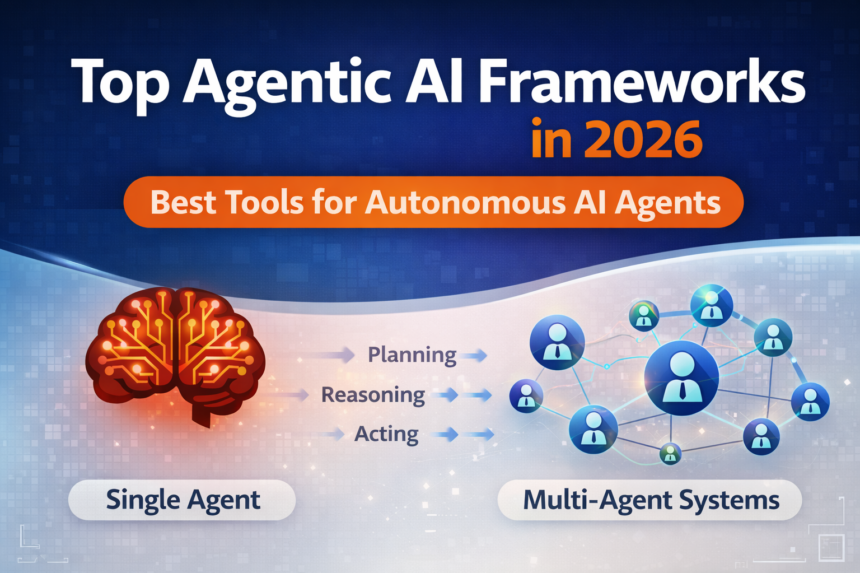
Link: https://blog.on-demand.io/ai-agents-2026-agentic-revolution-ondemand-guide-2026-03-17/Description: Top Agentic AI Frameworks in 2026. The Agentic Revolution: Exploring AI agents and multi-agent systems towards 2026.
Link: https://blog.on-demand.io/ai-agents-2026-agentic-revolution-ondemand-guide-2026-03-12/Description: AI Agents 2026: Agentic Revolution Guide. Agentic AI receives goals and keeps working until done. Only 11% of pilots reach production.
Link: https://machinelearningmastery.com/7-agentic-ai-trends-to-watch-in-2026/Description: The agentic AI field is moving from experimental prototypes to production-ready autonomous systems. Market $7.8B → $52B by 2030. 40% enterprise apps embed AI agents by 2026.