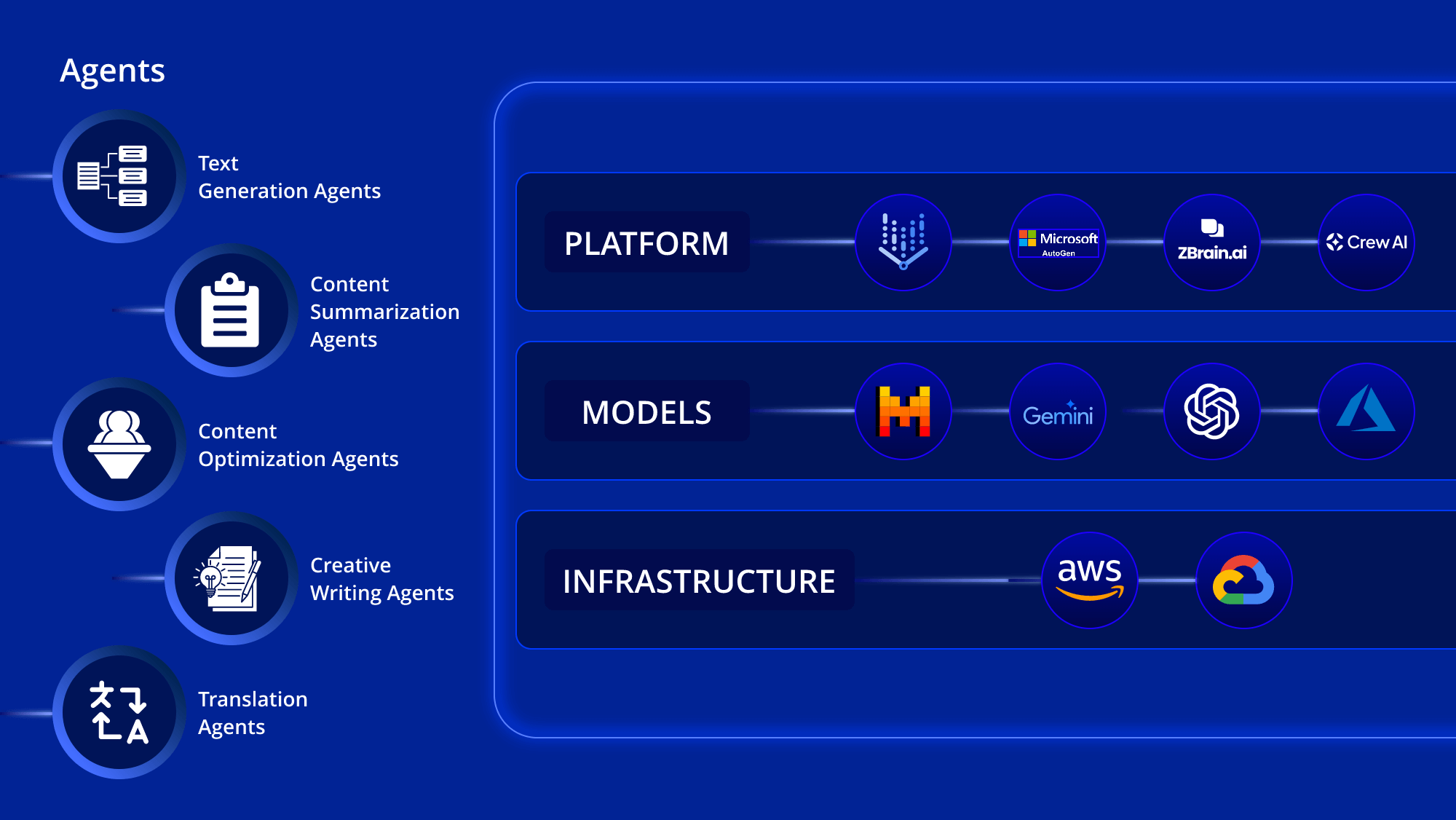
AI Agents 2026: Agentic Revolution | OnDemand Guide 2026-03-17
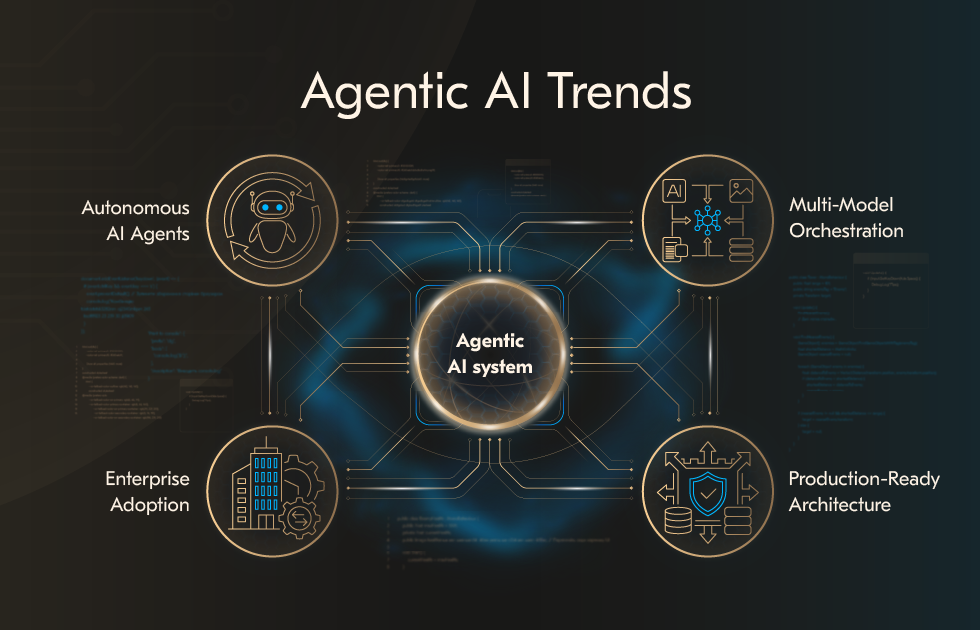
AI Agents 2026: Agentic Revolution | OnDemand Guide 2026-03-17
The Agentic Revolution: Exploring AI Agents and Multi-Agent Systems Towards 2026
In recent years, the landscape of artificial intelligence (AI) has been reshaped by the emergence of AI agents and multi-agent systems. These technologies are at the forefront of what some are calling the "agentic revolution," a trend that promises to redefine the way humans interact with machines and how machines interact with each other. As we look towards 2026, it is crucial to understand these developments, their implications, and how they will shape the future.
What are AI Agents?
AI agents are software entities capable of performing tasks autonomously. They can perceive their environment, make decisions, and execute actions to achieve specific goals. The uniqueness of AI agents lies in their ability to operate without constant human oversight, making them invaluable across various sectors such as healthcare, finance, customer service, and more.
The Rise of Autonomous Agents
Autonomous agents, a subset of AI agents, can independently perform complex tasks by learning from their environment and experiences. These agents leverage advanced algorithms and machine learning techniques to adapt and optimize their performance over time. For instance, autonomous vehicles are a prime example of agents that perceive road conditions, navigate routes, and make real-time decisions to ensure safe transportation.
Multi-Agent Systems
Multi-agent systems (MAS) involve the collaboration of multiple AI agents to solve problems or complete tasks that a single agent cannot handle alone. These systems are designed to manage complexity through distributed problem solving, where each agent contributes its expertise to achieve a common goal. This approach is particularly beneficial in areas requiring robust, scalable solutions, such as traffic management, logistics, and smart grid systems.
Trends Shaping AI Agents by 2026
- Enhanced Learning Capabilities: AI agents are expected to exhibit more sophisticated learning mechanisms, including deep learning and reinforcement learning, enabling them to handle more complex tasks with greater efficiency.
- Interoperability and Collaboration: The future will see a significant emphasis on interoperability, allowing different agents to communicate and work together seamlessly.
- Ethical and Responsible AI: As AI agents become more autonomous, ethical considerations will take center stage.
- Increased Customization: AI agents will become more tailored to individual user needs.
- Security and Privacy: Robust mechanisms to protect data privacy.
- Integration with IoT: Creating smart environments.
Key Sources on Agentic AI Trends 2026
1. 7 Agentic AI Trends to Watch in 2026
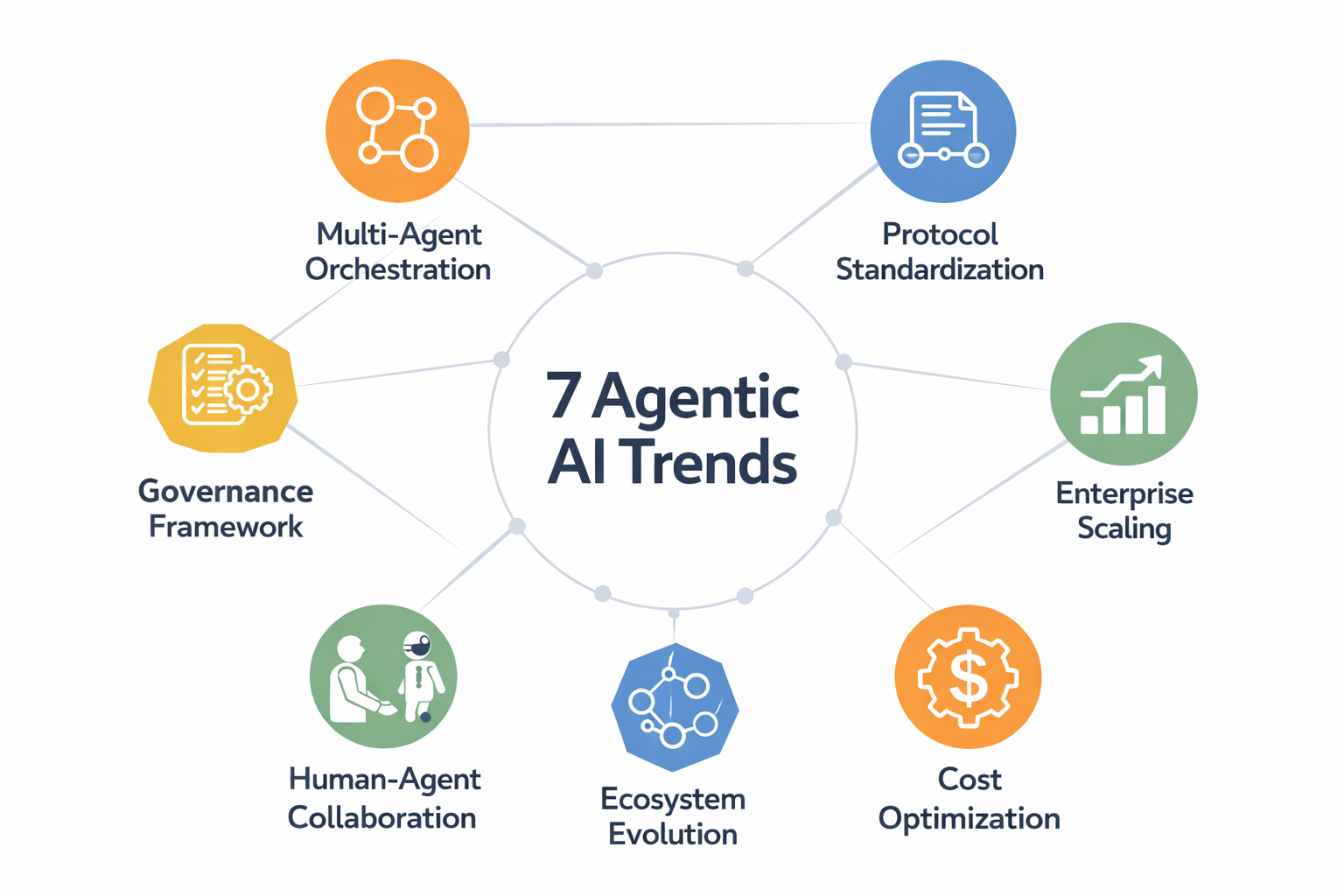
Market $7.8B → $52B by 2030. 40% enterprise apps embed agents by 2026. Design patterns, memory types.
2. Agentic AI Trends 2026: Future of Autonomous AI Agents
Only 11% of agentic AI pilots reach production. Explores production challenges, workflows for autonomous AI agents.
3. Top 10 Agentic AI Frameworks In 2026 For Developers
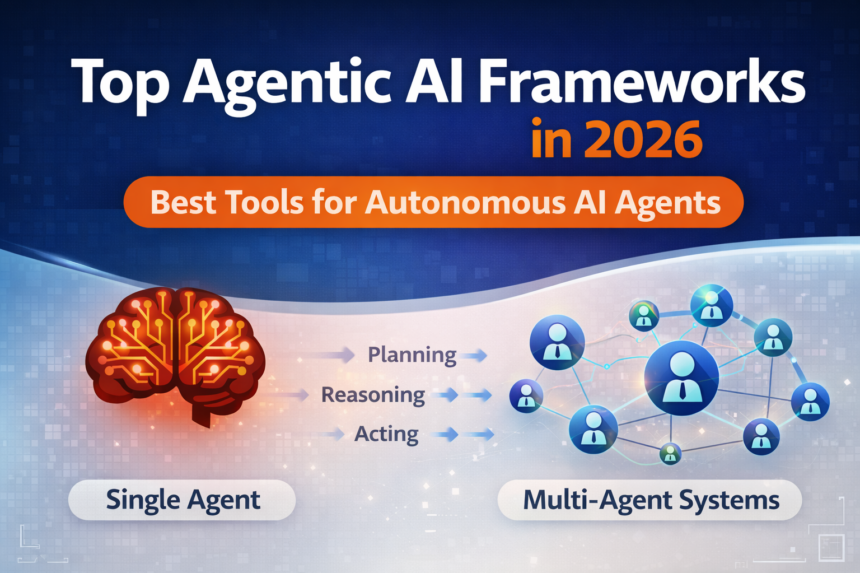
LangGraph, CrewAI, AutoGen and more for building autonomous AI agents.
4. 15 AI Agents Trends to Watch in 2026
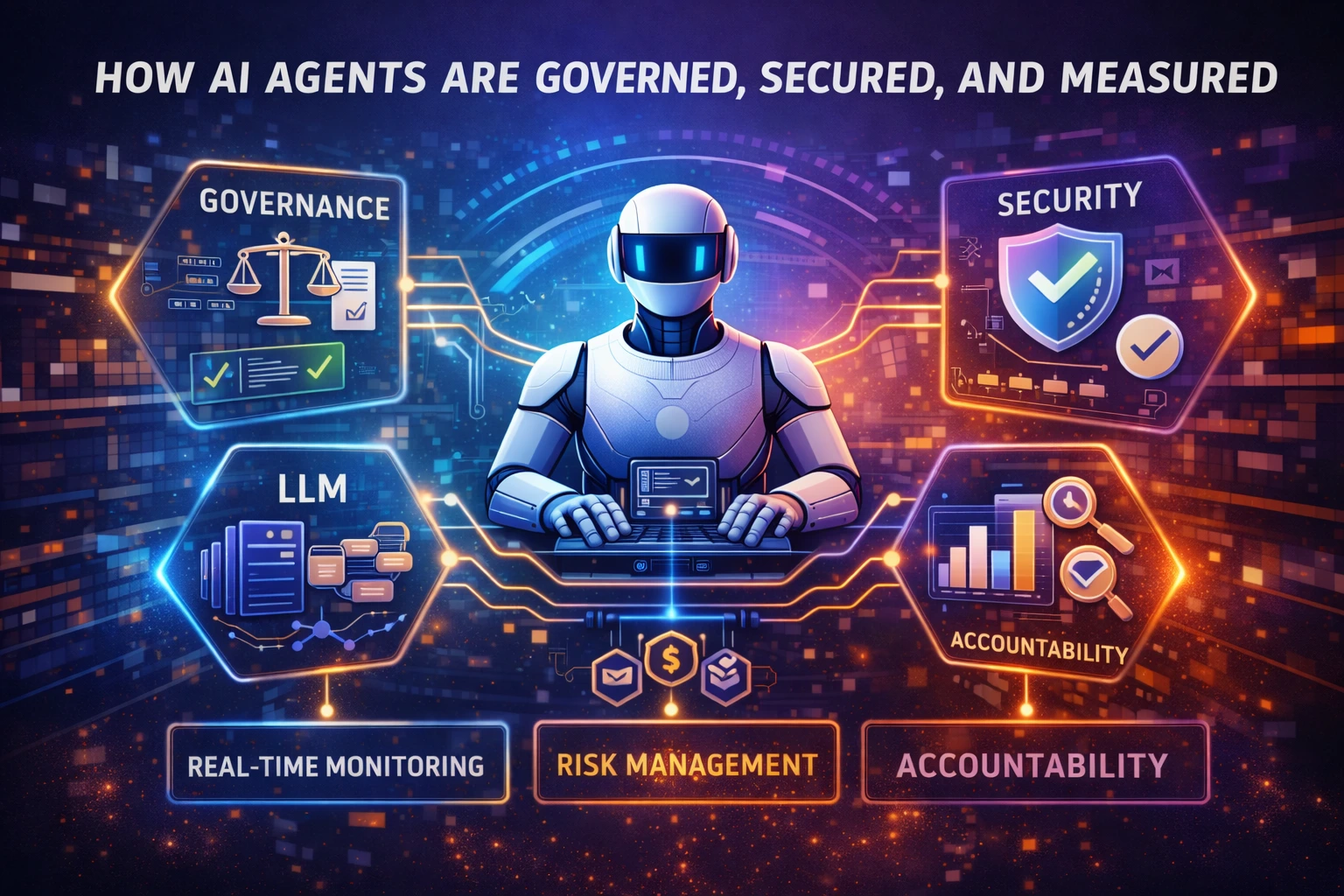
AI agents move from tasks to full workflow orchestration, multi-agent systems default.
Preparing for 2026 and Beyond
Regulatory frameworks, investment in R&D, public awareness essential for AI agents success.
Conclusion
As we approach 2026, AI agents and multi-agent systems will redefine our world. Embrace the agentic revolution!