AI Agent: Meaning, Benefits, Types, and How Intelligent Agents Are Transforming Business
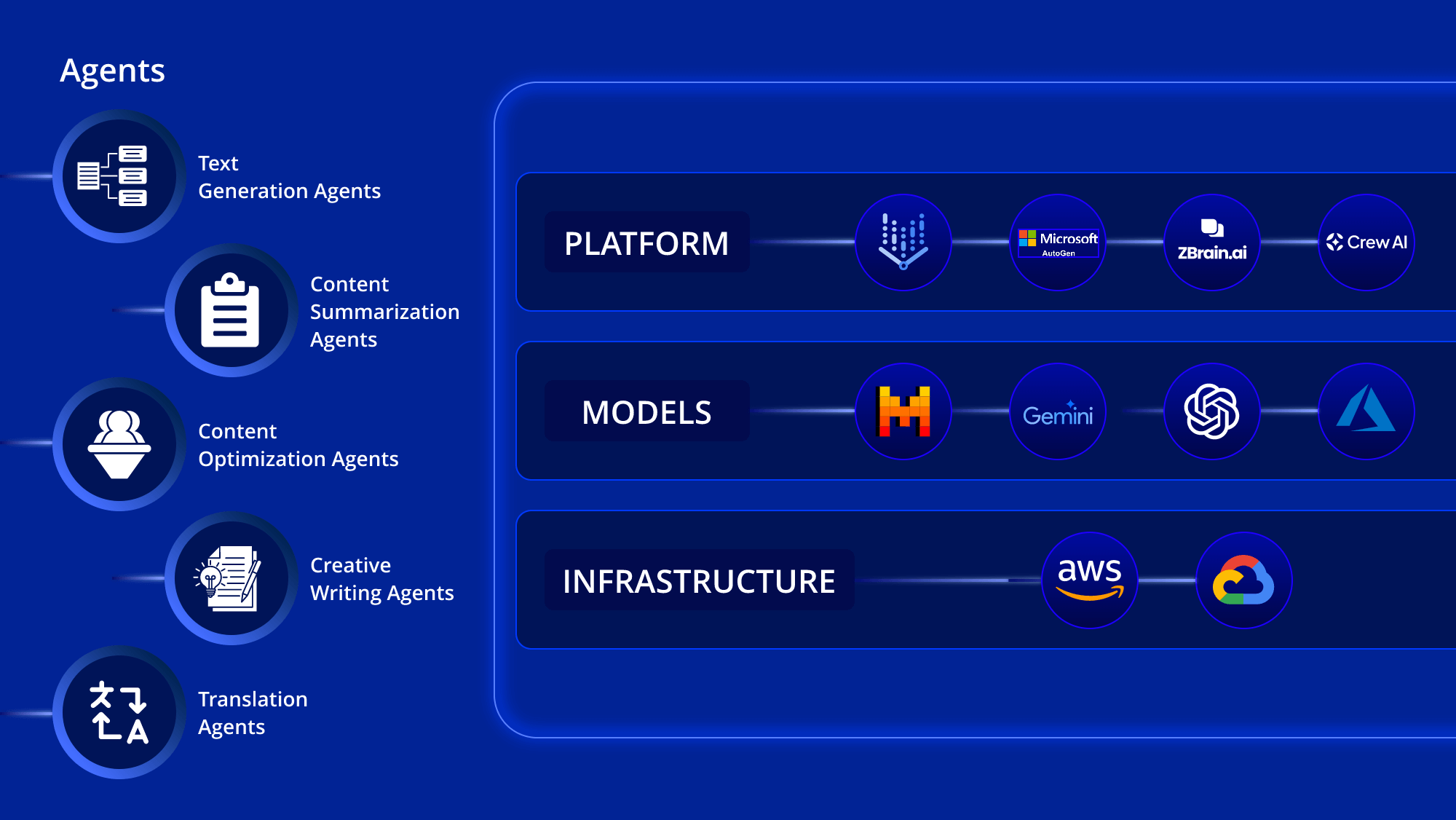
AI Agent: Meaning, Benefits, Types, and How Intelligent Agents Are Transforming Business
Artificial Intelligence is rapidly changing how people work, communicate, analyze data, and make decisions. One of the most important developments in this transformation is the rise of AI agents, also known as intelligent agents. These advanced software systems are designed to understand goals, make decisions, take actions, and improve over time with minimal human intervention.
From customer service chatbots and autonomous research assistants to business process automation tools and robotics, AI agents are becoming essential across industries. They are not just passive tools waiting for instructions. Instead, they can observe their environment, reason through available information, plan tasks, and execute actions to achieve specific outcomes.
This article explains what AI agents are, how intelligent agents work, their types, benefits, real-world applications, challenges, and why they are shaping the future of artificial intelligence.
What Are AI Agents?
An AI agent is a software program or system that uses artificial intelligence to perform tasks on behalf of a user, organization, or another system. Unlike traditional software that follows fixed instructions, an AI agent can make decisions based on data, goals, feedback, and changing conditions.
In simple terms, an AI agent is designed to:
- Understand a task or objective
- Collect and process information
- Make decisions
- Take action
- Learn from results
- Improve future performance
For example, a traditional calendar app may allow you to manually schedule meetings. An AI agent, however, can read your availability, communicate with other participants, find the best meeting time, send invitations, and reschedule if conflicts arise.
This ability to act independently makes AI agents highly valuable in modern digital environments.
What Are Intelligent Agents?
An intelligent agent is a broader concept in artificial intelligence. It refers to any system that perceives its environment and takes actions to achieve goals. Intelligent agents may exist as software programs, robots, virtual assistants, recommendation engines, or automated decision-making systems.
The key idea behind intelligent agents is autonomy. They do not simply respond with static outputs. Instead, they evaluate situations and select actions that help them reach a desired result.
An intelligent agent typically includes the following components:
- Perception – The ability to collect information from the environment
- Reasoning – The ability to analyze information and make decisions
- Action – The ability to perform tasks or trigger responses
- Learning – The ability to improve through experience
- Goal orientation – The ability to work toward specific objectives
All AI agents are intelligent agents, but not all intelligent agents are advanced AI agents. Some intelligent agents may use simple rules, while modern AI agents often use machine learning, natural language processing, large language models, and automation tools.
How Do AI Agents Work?
AI agents work through a continuous cycle of perception, decision-making, action, and feedback. This process allows them to operate dynamically rather than simply following a fixed script.
1. Understanding the Goal
The first step for an AI agent is to understand what it needs to accomplish. The goal may be given by a human user, another system, or a predefined workflow.
For example, a user may ask an AI agent to “research the best marketing strategies for a new product launch.” The agent must understand the objective, identify what information is needed, and decide how to gather and organize that information.
2. Gathering Information
Once the goal is clear, the AI agent collects relevant data. This information may come from databases, websites, documents, APIs, sensors, customer conversations, or internal business systems.
A customer service AI agent, for example, may gather order history, support tickets, customer messages, and company policies before responding to a customer complaint.
3. Reasoning and Planning
After collecting information, the AI agent analyzes it and creates a plan. This is where the agent’s intelligence becomes important. It may break a large task into smaller steps, compare options, identify risks, and decide the best course of action.
Advanced AI agents may use large language models and reasoning frameworks to plan multi-step tasks. They can prioritize actions, adjust their strategy, and handle unexpected changes.
4. Taking Action
An AI agent is not limited to providing suggestions. It can also take action. Depending on its permissions, an agent may send emails, update records, generate reports, schedule meetings, create content, manage workflows, or interact with software tools.
This action-oriented nature separates AI agents from simple AI chatbots. A chatbot may answer a question, while an AI agent may complete an entire task.
5. Learning from Feedback
Many intelligent agents improve by learning from results. If an action produces a successful outcome, the agent can use that information in the future. If the result is poor, the agent can adjust its behavior.
This feedback loop enables AI agents to become more accurate, efficient, and useful over time.
Types of AI Agents
There are several types of AI agents, ranging from simple rule-based systems to advanced autonomous agents.
1. Simple Reflex Agents
Simple reflex agents act based on current conditions. They follow predefined rules such as “if this happens, do that.” These agents do not consider past experiences or future consequences.
A basic spam filter is an example. If an email contains certain suspicious keywords, it may mark the message as spam.
2. Model-Based Agents
Model-based agents maintain an internal representation of the world. This allows them to make better decisions even when they do not have complete information.
For example, a robot vacuum cleaner may create a map of a room and remember areas it has already cleaned.
3. Goal-Based Agents
Goal-based agents make decisions based on specific objectives. They evaluate different actions and choose the one most likely to achieve the goal.
A route-planning app is a good example. Its goal is to find the best path to a destination, considering distance, traffic, and travel time.
4. Utility-Based Agents
Utility-based agents go beyond achieving a goal. They try to maximize overall value or satisfaction. These agents compare different outcomes and choose the most beneficial one.
For example, an investment AI agent may consider risk, return, time horizon, and market conditions to recommend an optimal portfolio.
5. Learning Agents
Learning agents improve through experience. They observe outcomes, receive feedback, and adjust future actions. These agents are widely used in recommendation systems, fraud detection, predictive analytics, and personalization engines.
Streaming platforms, for instance, use learning agents to recommend movies or shows based on user behavior.
6. Multi-Agent Systems
A multi-agent system includes several AI agents working together. Each agent may have a specialized role, and they coordinate to solve complex problems.
In a business environment, one AI agent may collect data, another may analyze it, another may create a report, and another may send the report to stakeholders.
Key Features of Intelligent AI Agents
AI agents are powerful because they combine several important capabilities.
Autonomy
AI agents can perform tasks without constant human direction. Once given a goal, they can decide what steps to take.
Adaptability
Intelligent agents can respond to changing conditions. If one method does not work, they can choose another approach.
Decision-Making
AI agents can evaluate information and make informed choices. This is especially useful in complex environments with many variables.
Communication
Many AI agents can communicate using natural language. This allows users to interact with them through normal conversation.
Tool Use
Modern AI agents can connect with external tools, software platforms, databases, and APIs. This allows them to perform real business actions.
Memory
Some AI agents can remember user preferences, past interactions, and previous decisions. This helps them deliver more personalized results.
Benefits of AI Agents
AI agents offer major advantages for businesses, professionals, and consumers.
1. Increased Productivity
AI agents can handle repetitive, time-consuming tasks such as data entry, scheduling, research, reporting, and email management. This allows people to focus on higher-value work.
2. Faster Decision-Making
Because AI agents can analyze large amounts of data quickly, they help organizations make faster and more informed decisions.
3. Cost Savings
By automating routine processes, AI agents can reduce operational costs and improve efficiency.
4. Better Customer Experience
AI agents can provide instant support, personalized recommendations, and 24/7 service. This improves customer satisfaction and reduces wait times.
5. Scalability
Unlike human teams, AI agents can handle thousands of tasks or interactions at the same time. This makes them highly scalable for growing businesses.
6. Personalization
AI agents can learn user preferences and deliver customized experiences, from product recommendations to personalized learning plans.
Real-World Applications of AI Agents
AI agents are already being used in many industries.
Customer Service
AI customer service agents can answer questions, resolve common issues, track orders, process refunds, and escalate complex problems to human representatives.
Healthcare
In healthcare, intelligent agents can assist with appointment scheduling, patient monitoring, medical research, administrative tasks, and clinical decision support.
Finance
Financial AI agents can detect fraud, analyze market trends, automate trading, assess credit risk, and provide personalized financial advice.
Marketing
Marketing AI agents can generate content, analyze campaign performance, segment audiences, optimize ads, and personalize customer journeys.
Human Resources
HR teams use AI agents to screen resumes, schedule interviews, answer employee questions, and support onboarding processes.
Education
AI tutoring agents can provide personalized lessons, answer student questions, evaluate progress, and recommend learning resources.
E-Commerce
E-commerce AI agents help customers find products, compare options, recommend items, manage inventory, and optimize pricing.
Software Development
AI coding agents can assist developers by writing code, debugging errors, reviewing documentation, and automating testing workflows.
AI Agents vs. Traditional Automation
Traditional automation follows fixed rules. It is useful for repetitive tasks with predictable steps. However, it struggles when conditions change or when tasks require judgment.
AI agents are more flexible. They can interpret natural language, adapt to new information, and make decisions based on goals rather than rigid instructions.
For example, traditional automation may send the same email to every customer after a purchase. An AI agent can personalize the email based on customer history, product type, location, and behavior.
This flexibility makes AI agents especially valuable in complex digital environments.
Challenges of AI Agents
Despite their benefits, AI agents also come with challenges.
Accuracy and Reliability
AI agents can make mistakes, especially when dealing with incomplete or incorrect information. Human oversight is still important for high-stakes decisions.
Data Privacy
AI agents often require access to sensitive data. Organizations must ensure proper security, privacy, and compliance measures.
Bias
If an AI agent is trained on biased data, it may produce biased decisions. Regular monitoring and ethical AI practices are necessary.
Transparency
Some AI systems are difficult to interpret. Users may not always understand why an agent made a specific decision.
Over-Automation
Not every task should be fully automated. Businesses must decide where AI agents are helpful and where human judgment is required.
The Future of AI Agents
The future of AI agents is promising. As artificial intelligence continues to improve, agents will become more capable, reliable, and integrated into daily life. Businesses will increasingly use AI agents as digital coworkers that can manage workflows, support teams, analyze information, and complete complex tasks.
In the future, AI agents may become standard in offices, homes, schools, hospitals, and online platforms. They will likely work alongside humans rather than replace them entirely. The most successful organizations will be those that combine human creativity, judgment, and empathy with the speed and intelligence of AI agents.
Conclusion
AI agents and intelligent agents are transforming the way technology supports human activity. They can understand goals, analyze information, make decisions, take action, and learn from experience. From customer support and healthcare to finance, marketing, education, and software development, AI agents are becoming powerful tools for automation and innovation.
As these systems continue to evolve, they will play a major role in the future of work and digital transformation. Businesses and individuals who understand how to use AI agents effectively will gain a significant advantage in productivity, efficiency, and decision-making.
The rise of intelligent agents is not just another technology trend. It represents a major shift toward autonomous, adaptive, and goal-driven artificial intelligence. For organizations seeking smarter operations and better user experiences, AI agents are quickly becoming an essential part of the modern digital ecosystem.