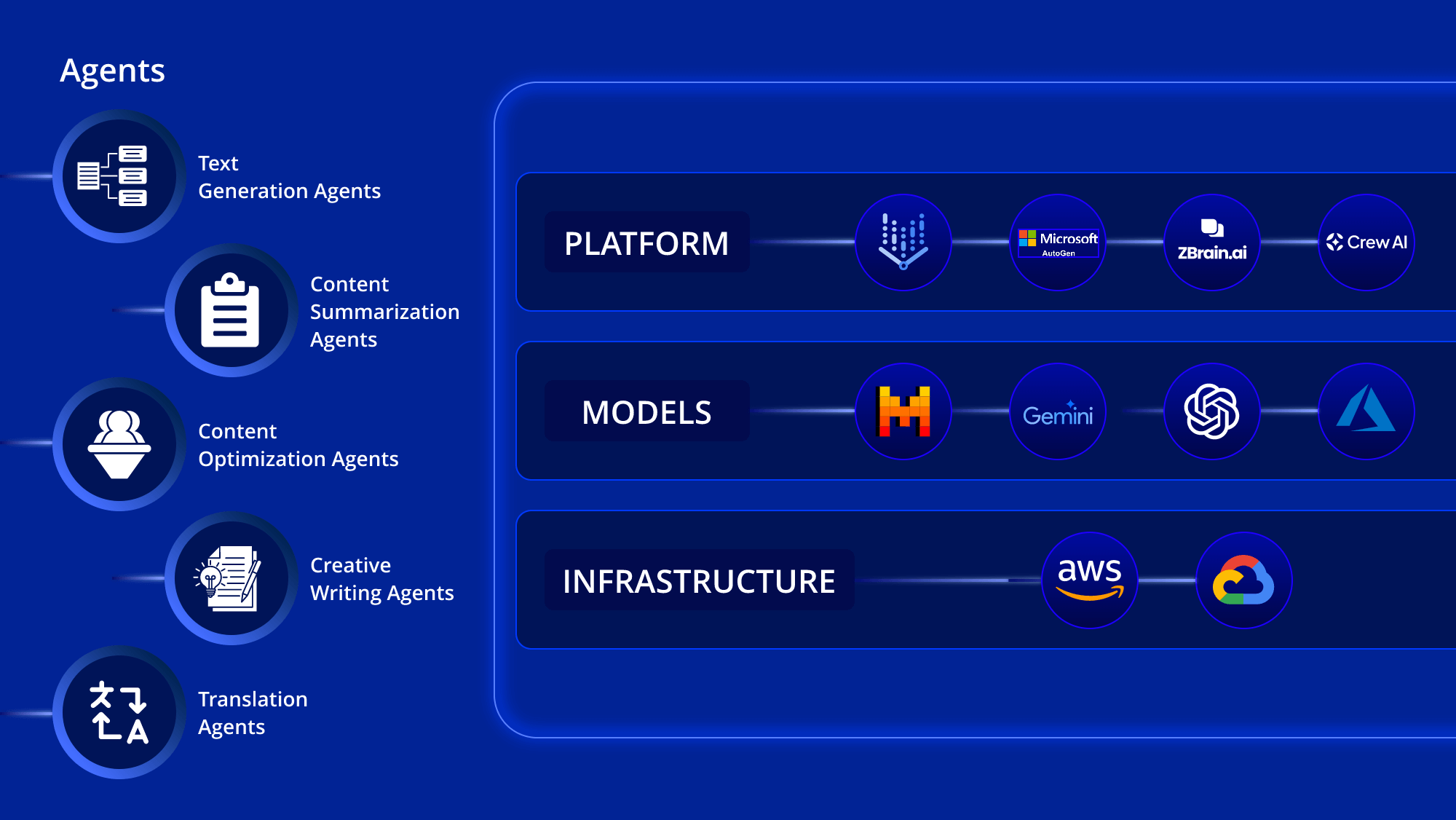
Unleashing the Potential of AI Agents: A Comprehensive Guide

Introduction
In the rapidly advancing field of technology, the concept of an AI agent has become a cornerstone. AI agents are autonomous, intelligent bots that can perceive their environment, learn from it, and take actions to achieve defined objectives. Whether you’re exploring advanced AI applications or just dipping your toes into the realm of artificial intelligence, this guide will help you understand how a well-designed AI agent can reshape industries and transform daily tasks.
What is an AI Agent?
An AI agent is a software entity that operates autonomously to complete tasks, respond to user queries, or provide insights. Skilled at decision-making and learning, these agents use algorithms and machine learning models to navigate problems and find solutions. They range from simple rule-based systems that trigger predefined actions to complex architectures that incorporate reinforcement learning and deep neural networks.
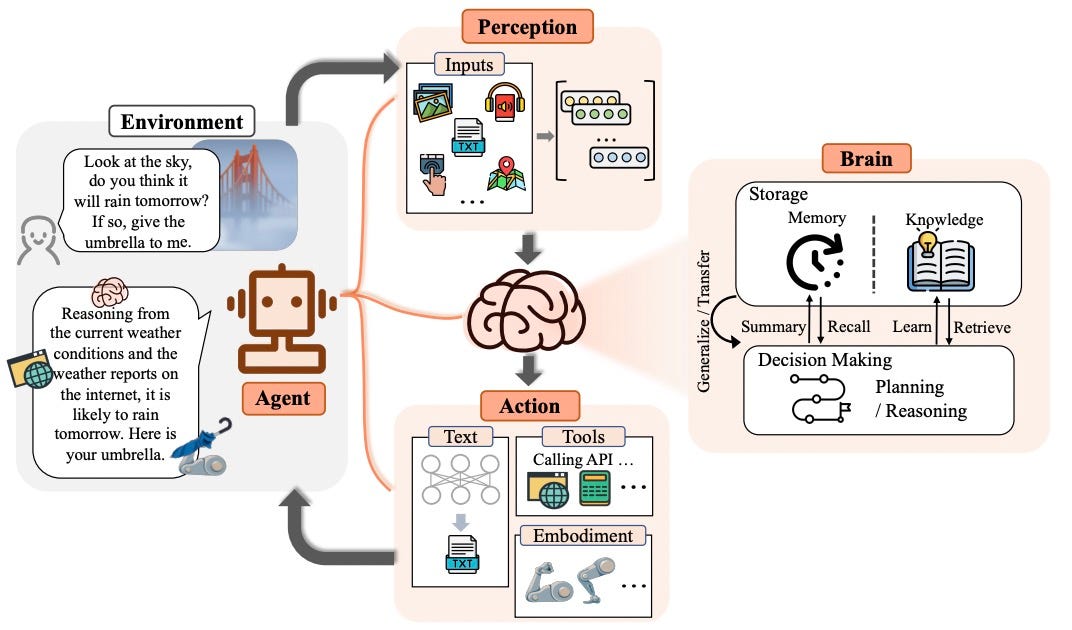
Source: AI Agent Projects Summary - Medium
Why Are AI Agents Important?
An effective AI agent can rapidly analyze data, make predictions, and take action faster than human capabilities. In customer service, for example, chatbots serve as AI agents that deliver immediate assistance, reducing wait times. In finance, AI agents process massive sets of data to predict market trends or manage portfolios autonomously. Their ability to work continuously and learn from real-time data gives them a distinct advantage over traditional software solutions.
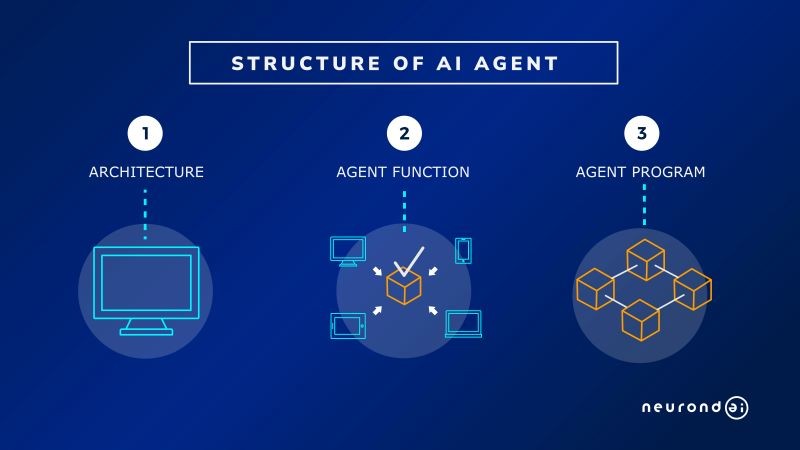
Source: What is an Agent in AI - Neurond
Types of AI Agents
1. Reactive Agents: These agents respond to current inputs without storing past experiences.
2. Model-Based Agents: They maintain an internal representation of the environment for better decision-making.
3. Goal-Based Agents: These focus on achieving a set objective, even if it requires changing strategies.
4. Utility-Based Agents: They aim to maximize a utility function, optimizing performance in dynamic environments.
Applications of AI Agents
1. Customer Service: Chatbots and virtual assistants handle queries and troubleshoot issues around the clock.
2. Healthcare: AI agents assist in diagnosis, treatment planning, and patient interaction, often outperforming conventional methods.
3. Autonomous Vehicles: Self-driving cars rely on AI agents to interpret sensor data and make rapid decisions to navigate securely.
4. Finance & Trading: Trading bots analyze market data to execute trades at optimal times, balancing risk and reward.

Source: AI Agents Memory Systems - Falkordb
Challenges & Ethical Considerations
Deploying AI agents can involve complexities like data privacy, bias, and ethical implications. Since an AI agent routes decisions through self-learning models, it’s crucial to maintain transparency and fairness. Proper monitoring, unbiased datasets, and regulatory compliance are essential in building trustworthy AI-driven systems.
Industry Outlook
As AI technologies continue to mature, the scope for creativity in designing AI agents grows exponentially. From specialized robots in manufacturing to personal health monitors, the future of AI-driven autonomy appears boundless. Businesses looking to remain competitive should consider investing in AI agent systems to automate processes and deliver more creative, efficient solutions.
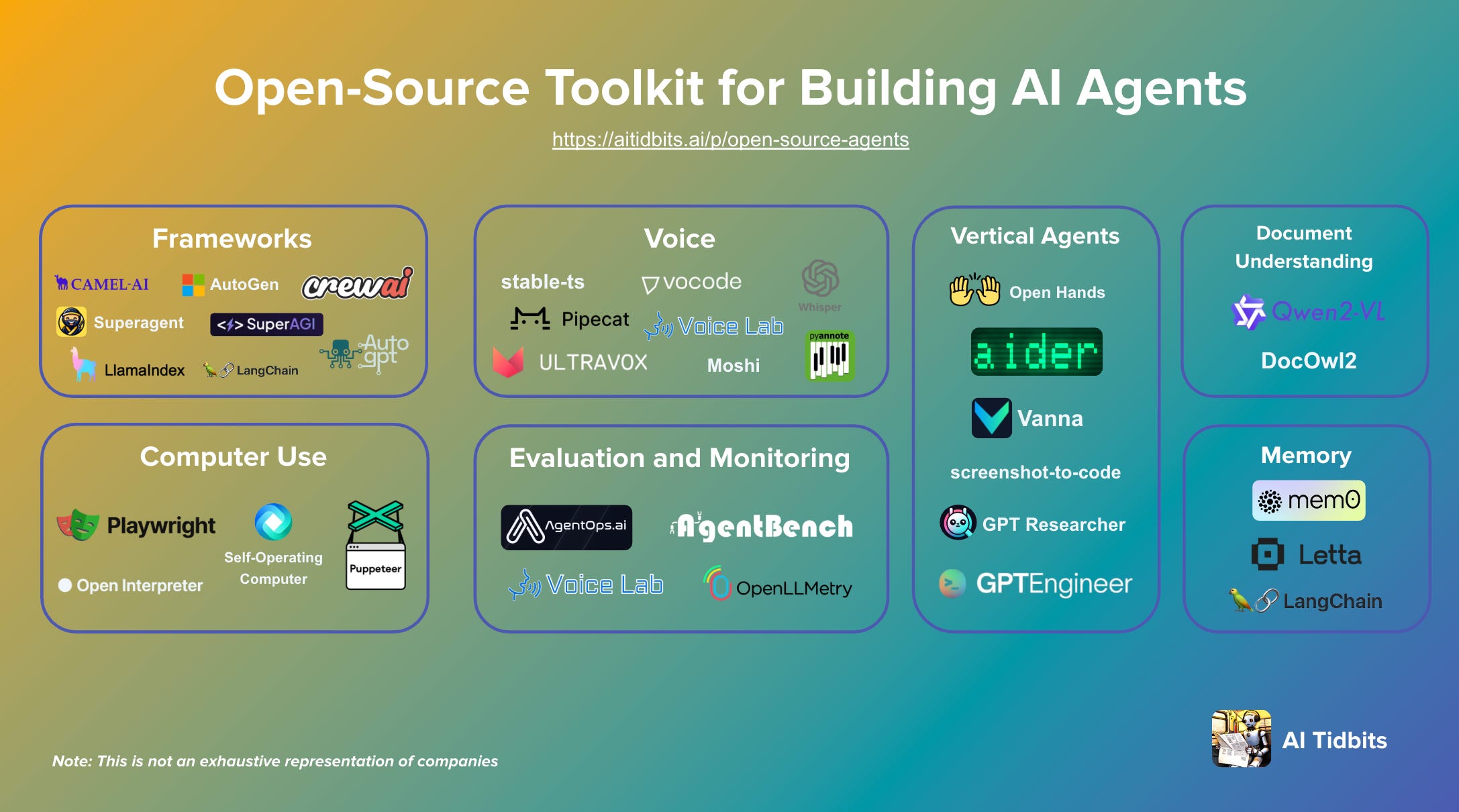
Source: The Open-Source Toolkit for Building AI Agents
Conclusion
AI agents are redefining how businesses operate and how individuals interact with technology. Their adaptive methods and self-learning capabilities pose both new opportunities and responsibilities. Organizations that harness the power of AI agents will likely lead the way in innovation, efficiency, and customer satisfaction. As the technology evolves, the role of the AI agent will only grow more critical, pushing the boundaries of what’s possible in our interconnected world.
References & Further Reading