Understanding the Role of Agents in Artificial Intelligence: A Comprehensive Guide

Understanding the Role of Agents in Artificial Intelligence: A Comprehensive Guide
Introduction
In the rapidly evolving world of technology, artificial intelligence (AI) has become a transformative force across various sectors. At the heart of AI lies the concept of "agents"—autonomous entities capable of perceiving their environment and taking actions to achieve specific goals. This comprehensive guide delves into the intricacies of AI agents, exploring their types, functions, applications, and the impact they have on our daily lives.
What is an AI Agent?
An AI agent is a software entity that operates autonomously to perform tasks or solve problems. These agents interact with their environment through sensors and actuators, processing data to make informed decisions. The primary objective of an AI agent is to achieve specific goals while adapting to changes in its surroundings. This adaptability makes agents invaluable for tasks that require continuous learning and decision-making.
Types of AI Agents
- Reactive Agents: Operate based solely on current perceptions, without relying on past experiences or future predictions.
- Model-Based Agents: Maintain an internal model of the world to consider past experiences in decision-making.
- Goal-Based Agents: Driven by specific goals and capable of planning actions accordingly.
- Utility-Based Agents: Aim to maximize performance by considering various factors, including preferences and probabilities.
- Learning Agents: Continuously improve by learning from past experiences and refining strategies over time.
Functions of AI Agents
- Data Analysis: Process vast amounts of data to identify patterns and support decision-making.
- Automation: Enhance operational efficiency by automating tasks, from chatbots to autonomous vehicles.
- Personalization: Deliver personalized experiences by analyzing user behavior and preferences.
- Problem Solving: Solve complex problems by evaluating multiple variables and constraints.
- Decision-Making: Assist in making informed decisions through data-driven insights.
Applications of AI Agents
- Healthcare: Aid in diagnostics, predict disease outbreaks, and personalize treatment plans.
- Finance: Analyze market trends, automate trading, and enhance fraud detection.
- Transportation: Power autonomous vehicles by interpreting sensor data and navigating routes.
- Retail: Enhance customer experiences with personalized recommendations and dynamic pricing.
- Manufacturing: Optimize production processes and predict maintenance needs.
Impact of AI Agents on Society
- Efficiency: Automate repetitive tasks to allow focus on creative and strategic initiatives.
- Accessibility: Provide personalized services tailored to diverse needs.
- Ethical Considerations: Raise important questions regarding data privacy, bias, and accountability in AI systems.
- Job Transformation: While automating certain roles, AI agents create new opportunities in technology, data analysis, and innovation management.
- Global Impact: Contribute to solving global challenges by optimizing resource allocation and decision-making processes.
Conclusion
AI agents are integral to the advancement of artificial intelligence, driving innovation and transforming industries. As these agents continue to evolve, they hold the promise of creating a more efficient, adaptive, and interconnected world. Embracing the power of AI agents will undoubtedly shape the future of technology and society.
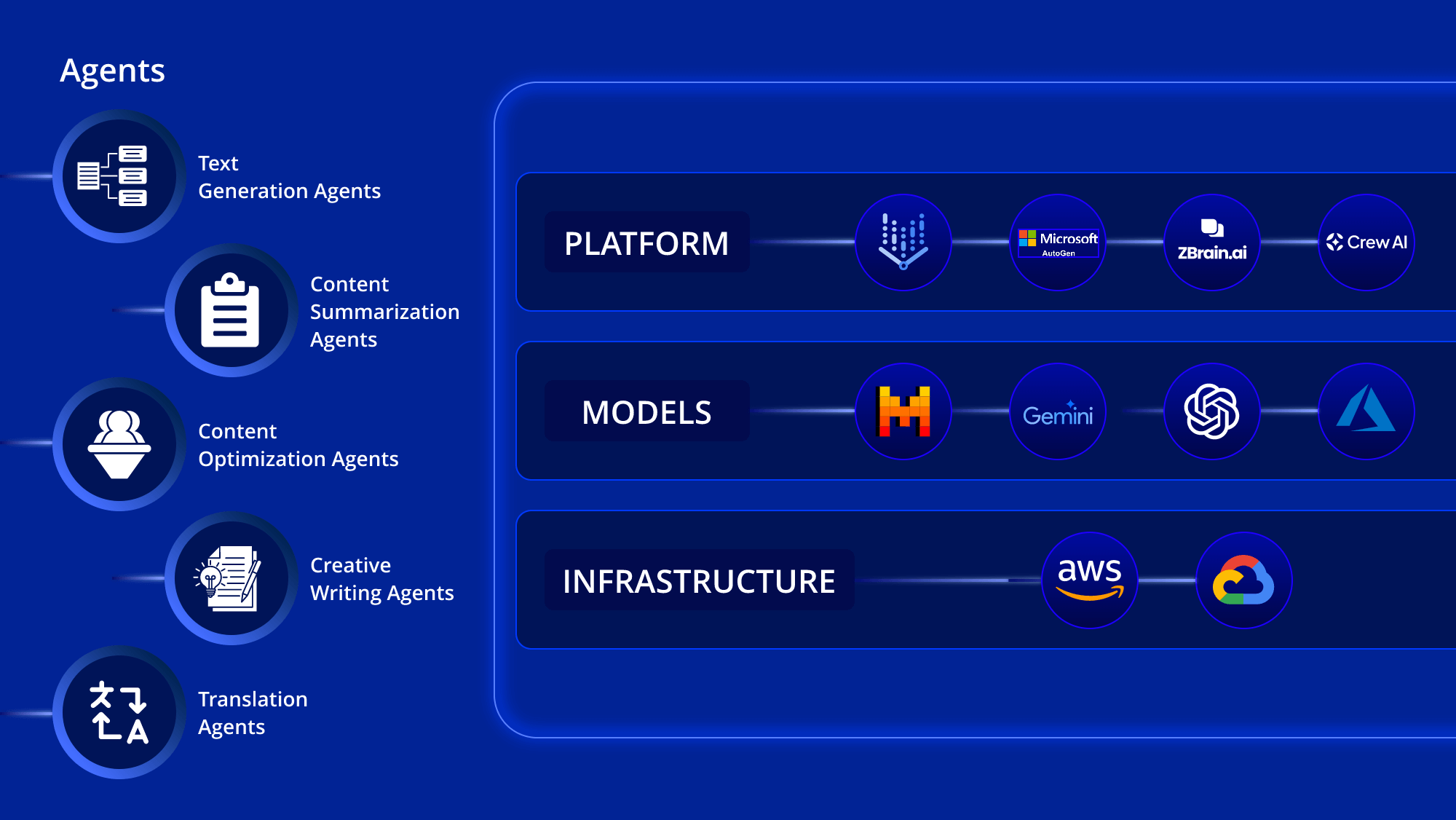
Reference Image
Explore more on AI agents with the reference image below:
Source: Medium