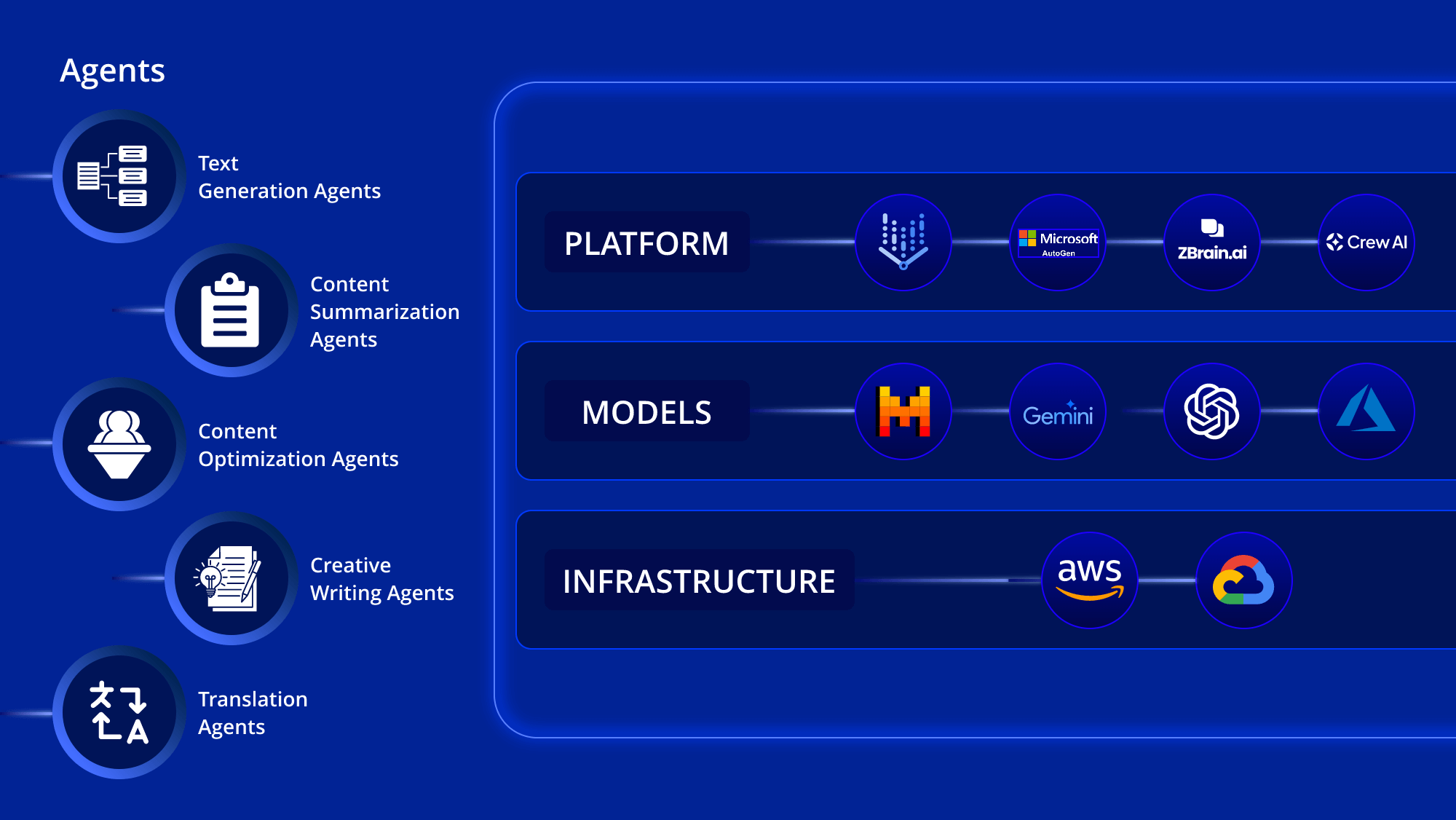
Understanding AIAgents: The Future of Intelligent Automation

Understanding AIAgents: The Future of Intelligent Automation
In the rapidly evolving world of technology, Artificial Intelligence (AI) stands out as a revolutionary force driving innovation across multiple industries. Within this broad domain, AI Agents have emerged as pivotal tools, promising to redefine the landscape of intelligent automation. This article delves into the world of AI Agents, exploring their significance, applications, and the transformative potential they hold for the future.
What are AI Agents?
AI Agents, often referred to as intelligent agents, are software entities designed to perform tasks autonomously or with minimal human intervention. They are programmed to perceive their environment, process data, make decisions, and execute actions to achieve specific goals. These agents can operate in various domains, from simple task automation to complex decision-making processes.
Key Features of AI Agents
- Autonomy: AI Agents can function independently without constant human oversight, making decisions based on predefined rules or learned experiences.
- Adaptability: They can adapt to changing environments by learning from new data and experiences, improving their performance over time.
- Interactivity: AI Agents can interact with humans and other agents, facilitating seamless communication and collaboration.
- Proactiveness: These agents can anticipate needs and take initiative, offering solutions or completing tasks before being explicitly instructed.
- Goal-Oriented Behavior: AI Agents are designed to achieve specific goals, optimizing their actions to reach desired outcomes efficiently.
Applications of AI Agents
1. Customer Service
AI Agents are transforming customer service by providing instant assistance through chatbots and virtual assistants. These agents handle customer inquiries, troubleshoot issues, and provide personalized recommendations, enhancing customer satisfaction and operational efficiency.
2. Healthcare
In healthcare, AI Agents assist in diagnosing diseases, managing patient data, and personalizing treatment plans. They can analyze medical records, identify patterns, and provide insights that aid healthcare professionals in making informed decisions.
3. Finance
AI Agents in finance automate trading processes, assess credit risks, and detect fraudulent activities. By analyzing vast amounts of financial data, these agents help institutions make strategic decisions and improve the accuracy of financial forecasts.
4. E-commerce
E-commerce platforms leverage AI Agents to personalize shopping experiences. These agents analyze user behavior, recommend products, and optimize pricing strategies, driving sales and enhancing customer engagement.
5. Manufacturing
In manufacturing, AI Agents optimize production processes, predict maintenance needs, and manage supply chains. By analyzing data from sensors and machinery, these agents enhance operational efficiency and reduce downtime.
Impact on Business
AI Agents are set to revolutionize business operations, offering several advantages:
- Enhanced Efficiency: Automating repetitive tasks and optimizing processes frees human resources for strategic work.
- Cost Reduction: Minimizing manual intervention and optimizing resource utilization lead to significant savings.
- Improved Decision-Making: Data-driven insights support strategic planning and risk management.
- Competitive Advantage: Superior customer experiences and innovative services position organizations as market leaders.
Challenges and Considerations
- Data Privacy & Security: Protecting sensitive information and complying with regulations is paramount.
- Ethical AI: Ensuring fairness, transparency, and accountability in AI-driven processes builds user trust.
- Integration & Scalability: Seamless integration into existing systems and scaling capabilities can be complex.
- Workforce Impact: Businesses should plan for reskilling and new opportunities to mitigate job displacement.
The Future of AI Agents
Continuous advancements in AI technology promise to expand the capabilities of AI Agents even further. Anticipated developments include:
- Enhanced Learning: Agents will learn from diverse data sources to improve adaptability and performance.
- Human-Agent Collaboration: Seamless interfaces will augment human capabilities and creativity.
- Domain-Specific Agents: Specialized agents will offer targeted solutions for industry-specific challenges.
- Regulatory Frameworks: Evolving guidelines will ensure ethical, legal, and social responsibility in AI deployment.
In-Content Images & Sources

Conclusion
AI Agents are at the forefront of the AI revolution, poised to transform industries and redefine how businesses operate. Their ability to automate tasks, enhance decision-making, and improve efficiency offers significant advantages. Addressing challenges like data privacy, ethics, and workforce impact is crucial for harnessing their full potential. As technology evolves, AI Agents will play an increasingly central role in shaping the future of intelligent automation.