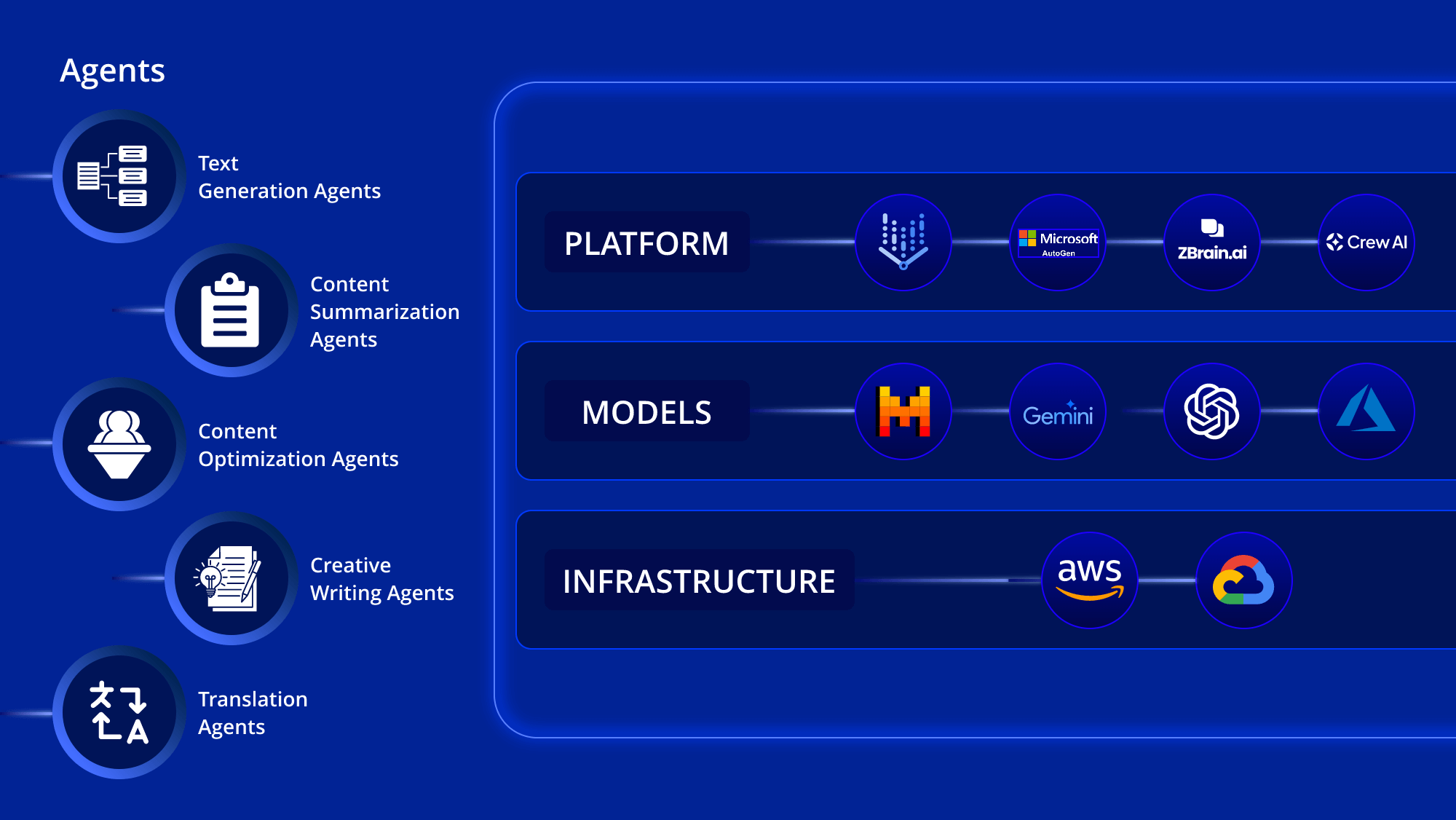
Understanding Agents: The Heart of Modern Automation and AI
Understanding Agents: The Heart of Modern Automation and AI
Introduction
In the ever-evolving landscape of technology, the term agent has become a cornerstone of discussions around artificial intelligence (AI), automation, and machine learning. Agents, in the realm of technology, are entities that perceive their environment through sensors and act upon that environment through actuators. This article explores the concept of agents, their types, applications, and how they are shaping the future of technology.

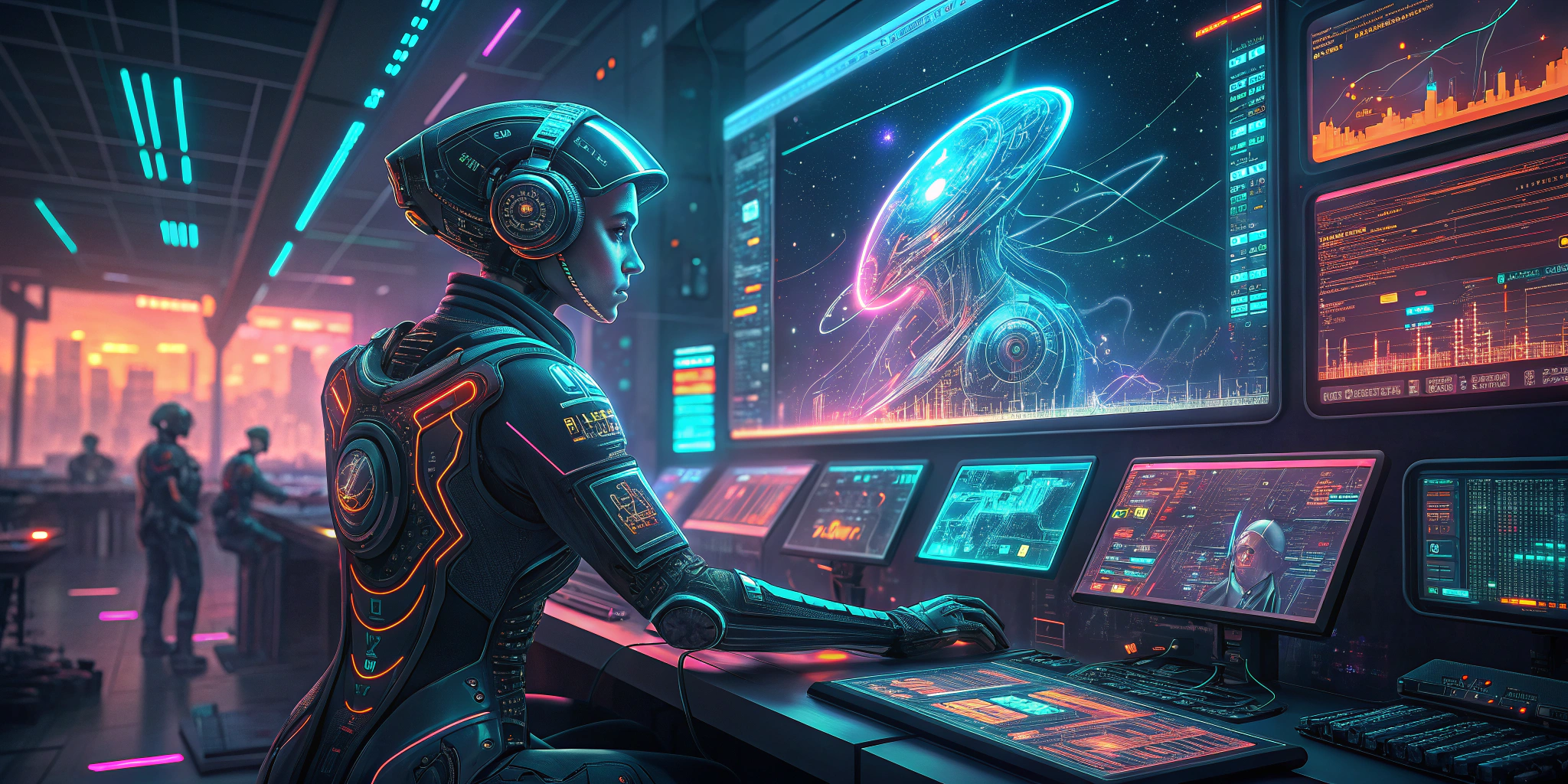
Image Source: Zapier – The 8 best AI image generators in 2025
What is an Agent?
An agent, in its most basic form, is an autonomous entity that observes and interacts with its environment. It can make decisions and take actions to achieve specific goals. Agents can be simple, like a thermostat that adjusts the temperature, or complex, like autonomous vehicles that navigate through traffic.
Types of Agents
- Simple Reflex Agents: Operate on condition-action rules. Example: a robotic vacuum that changes direction upon hitting an obstacle.
- Model-Based Reflex Agents: Maintain an internal state derived from percept history; useful in partially observable environments such as self-driving cars.
- Goal-Based Agents: Choose actions to reach explicit goals—prevalent in robotics and gaming AI.
- Utility-Based Agents: Seek to maximize a utility function—adding a layer of decision quality over goal-based systems.
- Learning Agents: Improve performance through experience; machine-learning models typically fall here.
Applications of Agents
- Customer Service: Chatbots and virtual assistants use natural-language processing to enhance user support.
- Finance: Algorithmic trading, fraud detection, and personalized banking rely on real-time agent decisions.
- Healthcare: Patient monitoring, diagnostics, and personalized medicine leverage intelligent agents to recommend treatments.
- Smart Homes: Agents automate lighting, HVAC, and security to deliver comfort and energy savings.
- Gaming: Non-player characters (NPCs) employ learning agents to adapt to player strategies, enriching gameplay.
How Agents Are Shaping the Future
As AI and machine learning advance, agents will become more sophisticated and capable of handling complex tasks. Their influence includes:
- Enhanced automation that reduces manual workloads.
- Greater personalization through adaptive recommendation systems.
- Data-driven decision support for leaders in business and governance.
- Smarter connectivity across Internet-of-Things (IoT) ecosystems.
- Heightened focus on ethics, transparency, and security.
Challenges and Considerations
- Security: Protecting autonomous systems from misuse.
- Ethics: Governing decisions that impact human lives.
- Transparency: Ensuring explainable AI for trust and accountability.
- Bias & Fairness: Mitigating data-driven biases in agent behavior.
Conclusion
Agents are at the heart of modern technology, driving innovation and efficiency across many sectors. While their potential is vast, their development must remain grounded in responsible, ethical practices. A smarter, more connected world awaits—powered by intelligent agents.