Understanding Agents: A Comprehensive Guide

Understanding Agents: A Comprehensive Guide
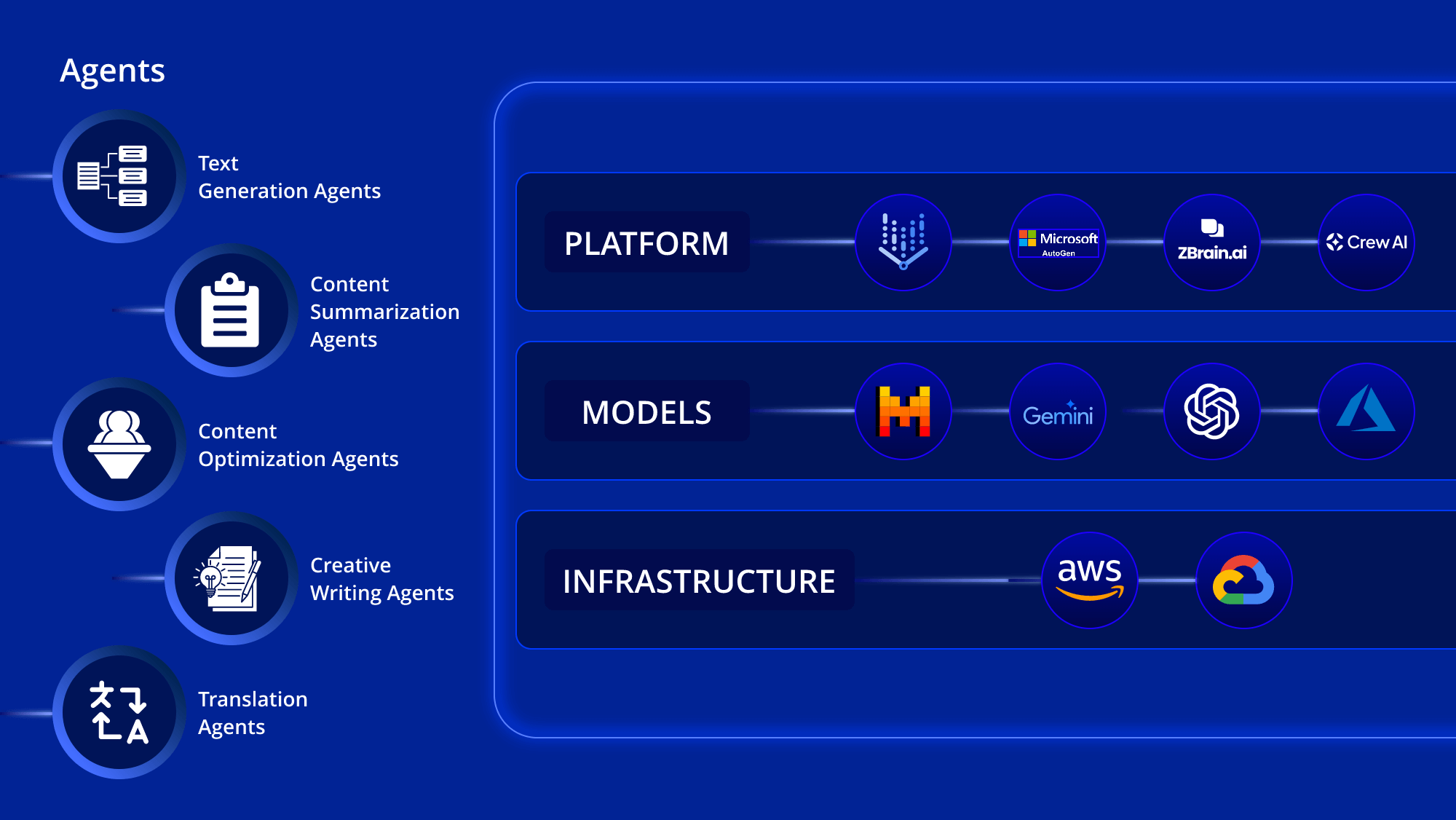
In the realm of technology and artificial intelligence, the term "agent" is frequently encountered. An agent, in its simplest form, is an autonomous entity that observes and acts upon an environment to achieve specific goals. The concept of agents spans across various fields including computer science, robotics, and artificial intelligence. This article delves into the intricacies of agents, their types, applications, and future prospects.
What is an Agent?
An agent is a software program or a hardware device that performs tasks autonomously, without continuous human intervention. The primary attributes of an agent include autonomy, social ability, reactivity, and proactiveness. These characteristics enable agents to operate independently, communicate with other agents or humans, respond to changes in their environment, and take initiative to fulfill their objectives.
Types of Agents
- Simple Reflex Agents: These agents function based on current percepts and neglect the history of percepts. They operate on condition-action rules, making them suitable for straightforward tasks.
- Model-Based Reflex Agents: Beyond simple reflex agents, these agents maintain an internal state that depends on the percept history, allowing them to handle more complex tasks.
- Goal-Based Agents: These agents act to achieve specific goals. They use goal information to make decisions, often employing search and planning strategies.
- Utility-Based Agents: These agents consider both goals and utility, which measures the satisfaction of achieving these goals. Utility-based agents strive to maximize their performance measure.
- Learning Agents: Adaptable by nature, learning agents can improve their performance based on past experiences. They consist of four main components: learning element, performance element, critic, and problem generator.
Applications of Agents
E-commerce
In the realm of e-commerce, agents are utilized to facilitate online transactions. They assist in price comparison, product recommendation, and customer service automation. For instance, chatbots, a type of agent, enhance customer experience by providing instant responses to queries.
Robotics
In robotics, agents play a crucial role in enabling robots to perform tasks autonomously. From industrial robots assembling products to autonomous drones conducting surveillance, agents are at the core of robotic functionalities.

Healthcare
Healthcare agents assist in patient monitoring, data analysis, and diagnostic procedures. They enable personalized medicine by analyzing patient data to offer tailored treatment plans.
Finance
Agents in finance aid in algorithmic trading, fraud detection, and risk management. They analyze vast amounts of data to make informed decisions, optimizing financial operations.
.svg)
Future Prospects of Agents
The future of agents is promising, with advancements in artificial intelligence and machine learning paving the way for more sophisticated and capable agents. Potential developments include enhanced autonomy, increased collaboration, advanced learning capabilities, and ethical considerations to ensure responsible deployment.
Conclusion
Agents are indispensable components of modern technology, driving innovation across various industries. Their ability to perform tasks autonomously, coupled with their adaptability and efficiency, makes them invaluable assets. As the field of artificial intelligence continues to evolve, agents will undoubtedly play a pivotal role in shaping the future of technology. By understanding the fundamentals of agents and their applications, we can harness their potential to improve our lives and the world around us.