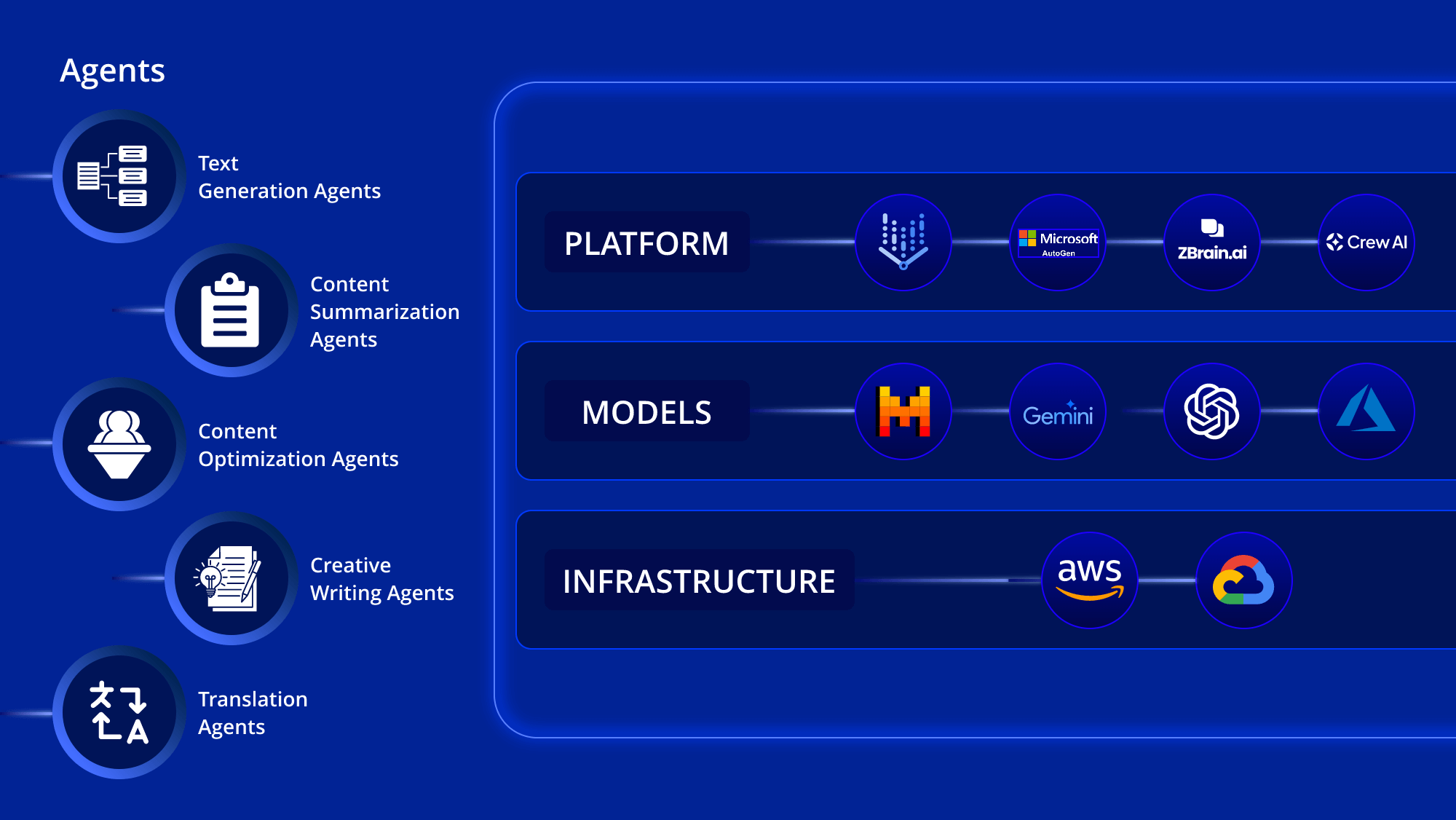
The Role of Agents in Modern Technology: An In-Depth Exploration

Source: ProjectPro: AI Agents: The New Human-Like Heroes of AI
The Role of Agents in Modern Technology: An In-Depth Exploration
In the rapidly evolving landscape of modern technology, the term "agent" has become increasingly prevalent. From artificial intelligence to digital marketing, agents play a critical role in the seamless execution of tasks, the optimization of processes, and the enhancement of user experiences. This article delves into the multifaceted world of agents, exploring their functions, applications, and impacts across various sectors.
Understanding Agents
At its core, an agent is an entity capable of perceiving its environment through sensors and acting upon that environment through actuators. In the context of computer science and artificial intelligence, an agent is often a software program that autonomously performs tasks on behalf of a user. These tasks can range from simple operations like sorting emails to complex processes such as negotiating business deals or optimizing supply chains.
Types of Agents
- Simple Reflex Agents: Operate on a condition-action rule, responding directly to specific conditions. They are efficient but lack memory or learning capabilities.
- Model-Based Reflex Agents: Maintain an internal model of the world, allowing them to handle partially observable environments and make informed decisions based on interaction history.
- Goal-Based Agents: Act to achieve specific goals by evaluating potential actions and planning accordingly, adapting to new situations.
- Utility-Based Agents: Aim to maximize their satisfaction or utility by considering multiple factors and balancing competing objectives for optimal outcomes.
- Learning Agents: Improve performance over time by learning from experiences, adapting strategies to changing environments for better results.
Applications of Agents
Artificial Intelligence and Robotics
In AI, agents are the building blocks of intelligent systems. They power autonomous vehicles, enabling real-time decision-making and safe navigation by perceiving the environment and acting accordingly.
Digital Marketing
In digital marketing, agents—often referred to as bots—automate tasks like data collection, customer interaction, and campaign analysis. Chatbots enhance customer service by delivering instant responses and personalized recommendations.
Finance
Financial agents drive algorithmic trading, fraud detection, and risk management by analyzing large datasets to identify patterns and make informed investment decisions.
Healthcare
Healthcare agents assist in patient monitoring, diagnostics, and personalized treatment plans by analyzing medical data to provide insights, predict disease outbreaks, and improve patient outcomes.
Supply Chain Management
In supply chain management, agents automate inventory management, demand forecasting, and logistics planning to enhance efficiency, reduce costs, and minimize human error.
The Impact of Agents on Society
Increased Efficiency
Agents automate repetitive, time-consuming tasks, freeing humans to focus on strategic initiatives and boosting productivity.
Enhanced Decision-Making
By processing vast datasets and identifying trends, agents provide valuable insights that drive informed decision-making and improved outcomes.
Improved Customer Experience
Agents deliver personalized recommendations and 24/7 support, heightening customer satisfaction and loyalty.
Job Transformation
While agents automate many tasks, they also create new roles that leverage human creativity and oversight, shifting the workforce towards higher-value activities.
Challenges and Ethical Considerations
Privacy and Security
Handling sensitive data demands robust safeguards to protect against unauthorized access and misuse.
Bias and Fairness
Agents can inherit data biases, leading to unfair outcomes. Ensuring transparency and fairness is crucial to avoid discrimination.
Accountability
Determining responsibility for autonomous decisions—especially in critical applications like healthcare and autonomous driving—requires clear frameworks and regulations.
Future Trends
Integration with IoT
Combining agents with IoT devices will create smarter environments, where agents manage interconnected devices for optimal performance.
Human-Agent Collaboration
Agents will increasingly augment human capabilities, working alongside teams to enhance innovation and productivity.
Ethical AI Development
A growing emphasis on ethics, transparency, and fairness will guide the development of future agents, fostering trust and responsible innovation.
Conclusion
Agents stand at the forefront of technological transformation, driving automation, insights, and user experiences across industries. By addressing challenges and embracing ethical guidelines, we can unlock the full potential of agents and build a future where humans and agents collaborate seamlessly for a more efficient, innovative world.