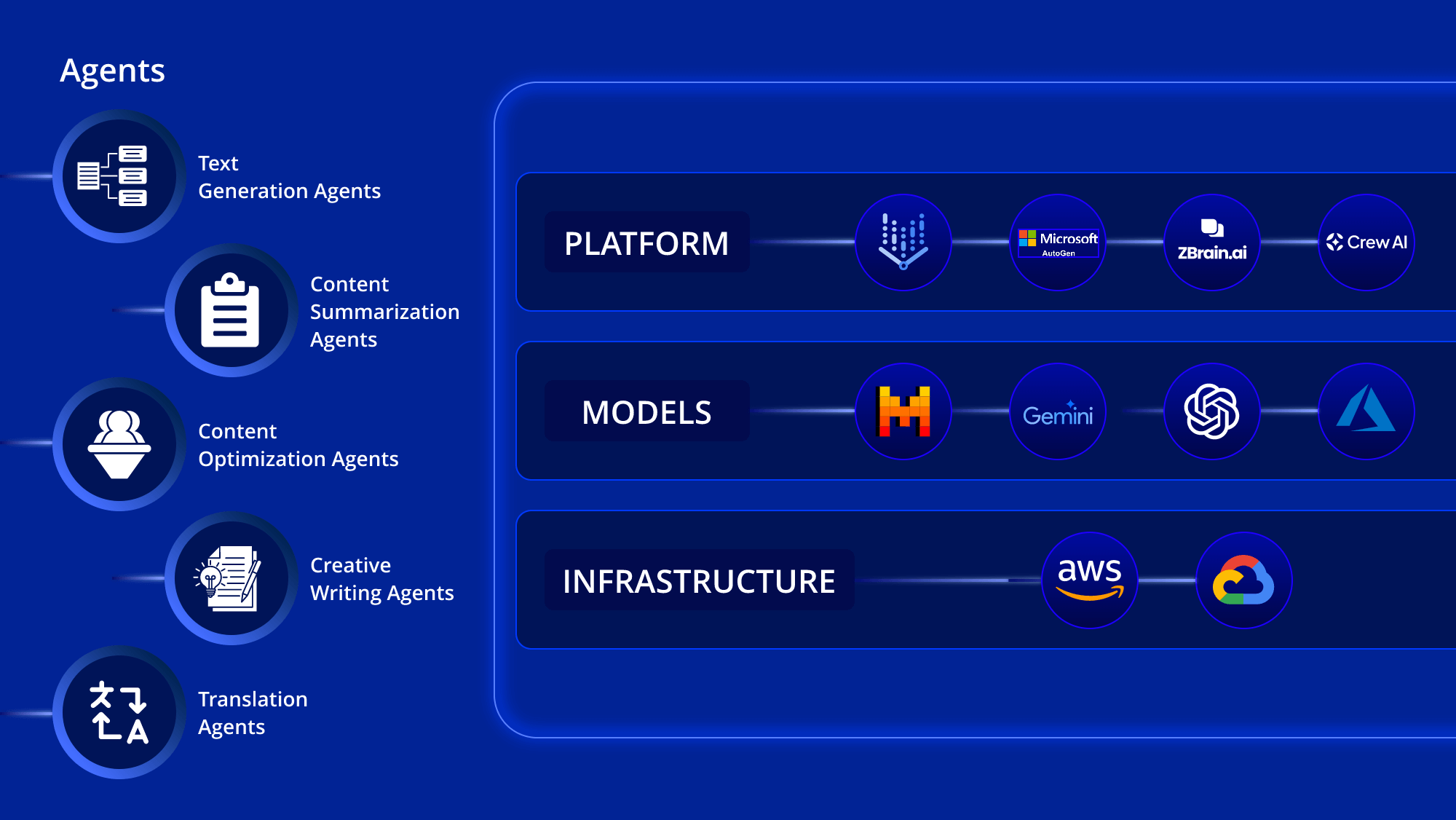
The Rise of AI Agents: Revolutionizing Workflow Automation
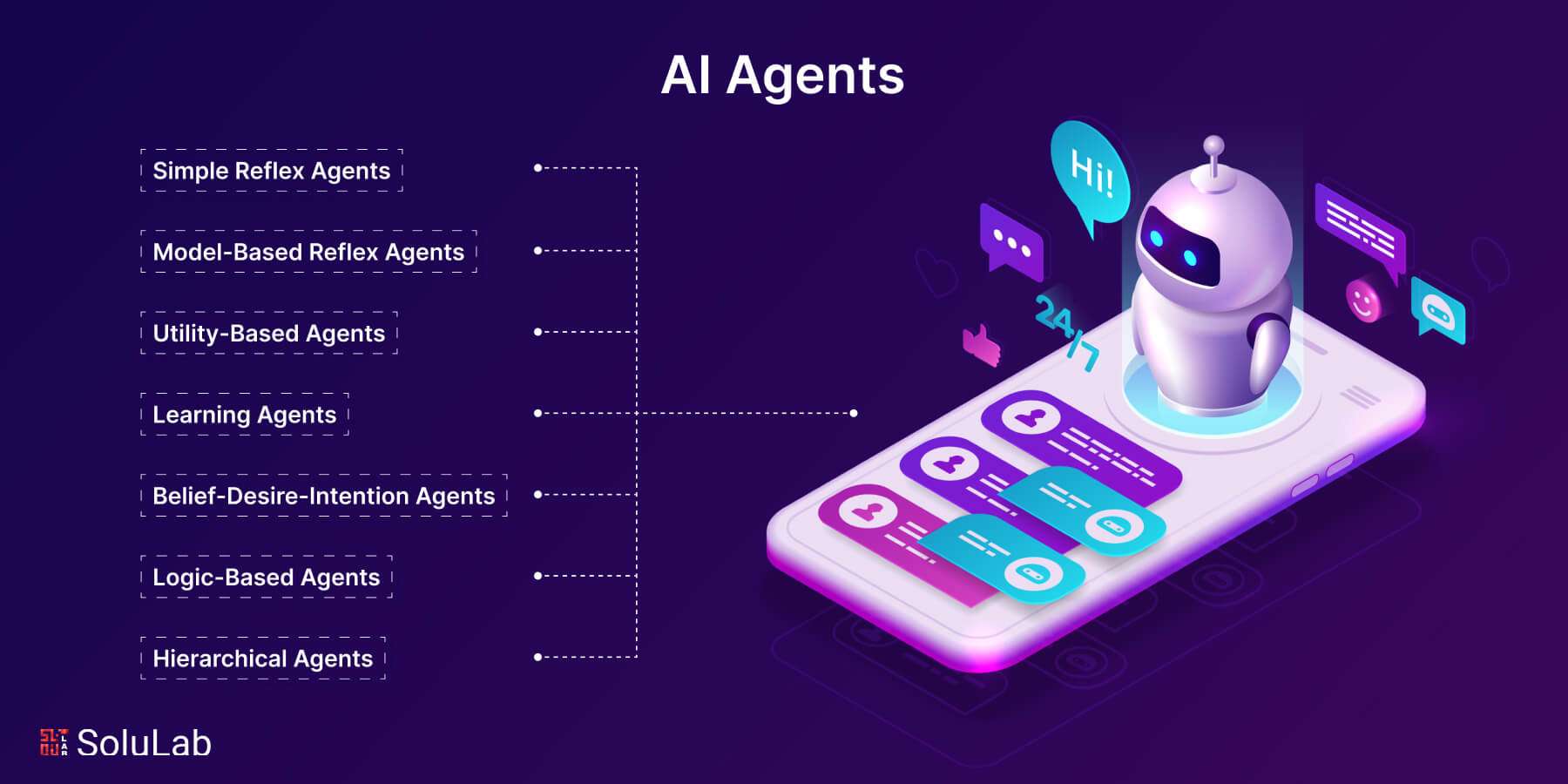
The Growth of AI Agents: Autonomous Intelligence in Workflow Automation and More
In the fast-changing field of artificial intelligence (AI), intelligent agents have become a key element of innovation. Known as AI agents or autonomous agents, these technologies are revolutionizing various industries by automating workflows, improving decision-making, and setting the stage for a future dominated by intelligent automation. This article delves into the different aspects of AI agents, their impact on workflow automation, the differences between AI agents and traditional automation, and the future of intelligent agents in a digital age.
What Are AI Agents?
AI agents are software programs that can carry out tasks independently, often without needing direct human involvement. They are built to understand their surroundings, process information, and take action to meet specific objectives. These agents can vary from basic rule-based systems to advanced models that utilize machine learning and natural language processing.

Autonomous Agents vs. Intelligent Agents
Although "autonomous agents" and "intelligent agents" are frequently used interchangeably, there is a slight distinction. Autonomous agents focus on making decisions and taking actions independently of human input, while intelligent agents are characterized by their ability to learn from experiences and adapt over time. Both types are essential to the advancement of agentic AI, which combines autonomy and intelligence for improved performance.
AI Agents in Workflow Automation
One of the primary uses of AI agents is in workflow automation. By automating repetitive tasks and optimizing processes, AI agents enhance efficiency and productivity. They can manage intricate workflows, process large volumes of data, and make real-time decisions, allowing human workers to focus on more strategic activities.

Generative AI and Workflow Automation
Generative AI, a branch of AI that focuses on content creation, plays a vital role in workflow automation. By producing text, images, and even code, generative AI agents can automate the creation of content, software development, and customer interactions, offering businesses innovative solutions to longstanding challenges.
AI Agents vs. Traditional Automation
The key difference between AI agents and traditional automation lies in the adaptability of AI-driven solutions. Traditional automation relies on fixed rules and processes, often lacking the ability to adjust to new circumstances. In contrast, AI agents can learn from their surroundings and adjust their actions, providing a more flexible approach to automation.
The Future of Intelligent Agents
The future of intelligent agents is set to transform industries and change how we engage with technology. As AI technology continues to evolve, intelligent agents will become more advanced, capable of recognizing human emotions, preferences, and intentions. This growth will lead to more personalized experiences and improved collaboration between humans and machines.
Ethical Considerations and Challenges
The rise of intelligent agents also brings ethical questions and challenges. It is crucial to ensure transparency, accountability, and fairness in AI systems to avoid biases and safeguard user privacy. Furthermore, as AI agents gain more autonomy, it will be important to establish clear boundaries regarding human control and responsibility to prevent misuse.
Conclusion
The emergence of AI agents represents a significant advancement toward intelligent automation. By bridging the gap between traditional automation and human-like intelligence, AI agents create unprecedented opportunities for both businesses and individuals. As we progress, the ongoing development of agentic AI will undoubtedly influence the future of technology, fostering innovation and transforming industries in ways we are just beginning to explore.