The Impact of AI Agents: Autonomous Systems, Generative AI, and Their Influence Across Industries

Artificial Intelligence (AI) has dramatically changed how we handle tasks, tackle challenges, and foster innovation. One of the most intriguing advancements in AI is the rise of AI agents. These agents, which can make decisions and take actions independently, are transforming various sectors, including healthcare and business. This article examines AI agents, their different types, functionalities, and applications in multiple industries.
What Are AI Agents?
AI agents are software programs that can perform tasks on their own or with minimal human intervention. They are designed to understand their surroundings, make decisions, and take actions to achieve specific objectives. There are several categories of AI agents, each with distinct features and uses.
Categories of AI Agents
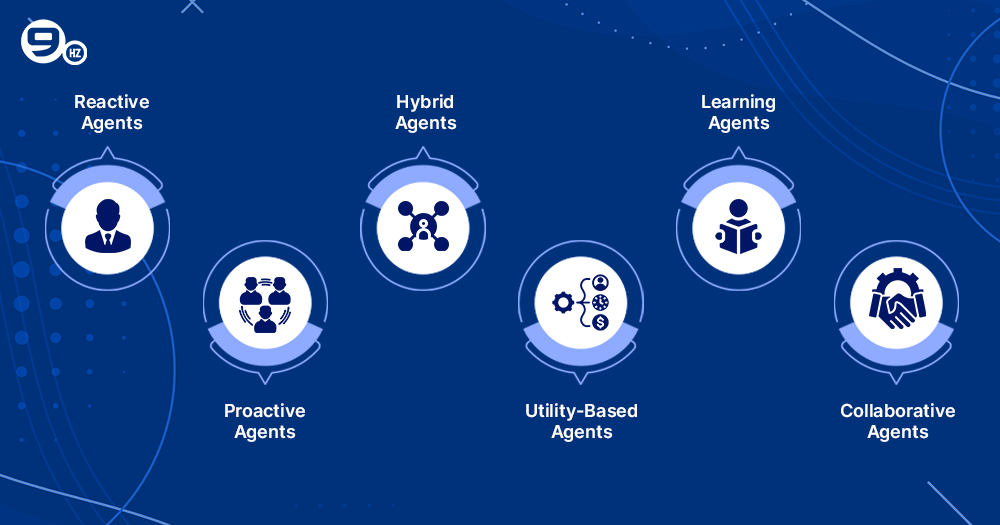
- Reactive Agents: These agents respond to current situations without considering past information. They are ideal for tasks that need immediate reactions, such as real-time monitoring.
- Deliberative Agents: These agents use internal models to plan their actions based on historical data and future outcomes. They are suitable for complex decision-making, like strategic business planning.
- Hybrid Agents: Combining both reactive and deliberative capabilities, these agents provide flexibility and resilience in various environments.
- Learning Agents: These agents enhance their performance over time by learning from their experiences, powered by machine learning algorithms.
- Collaborative Agents: Designed to work with humans or other agents, these entities excel in teamwork environments.
Generative AI Agents
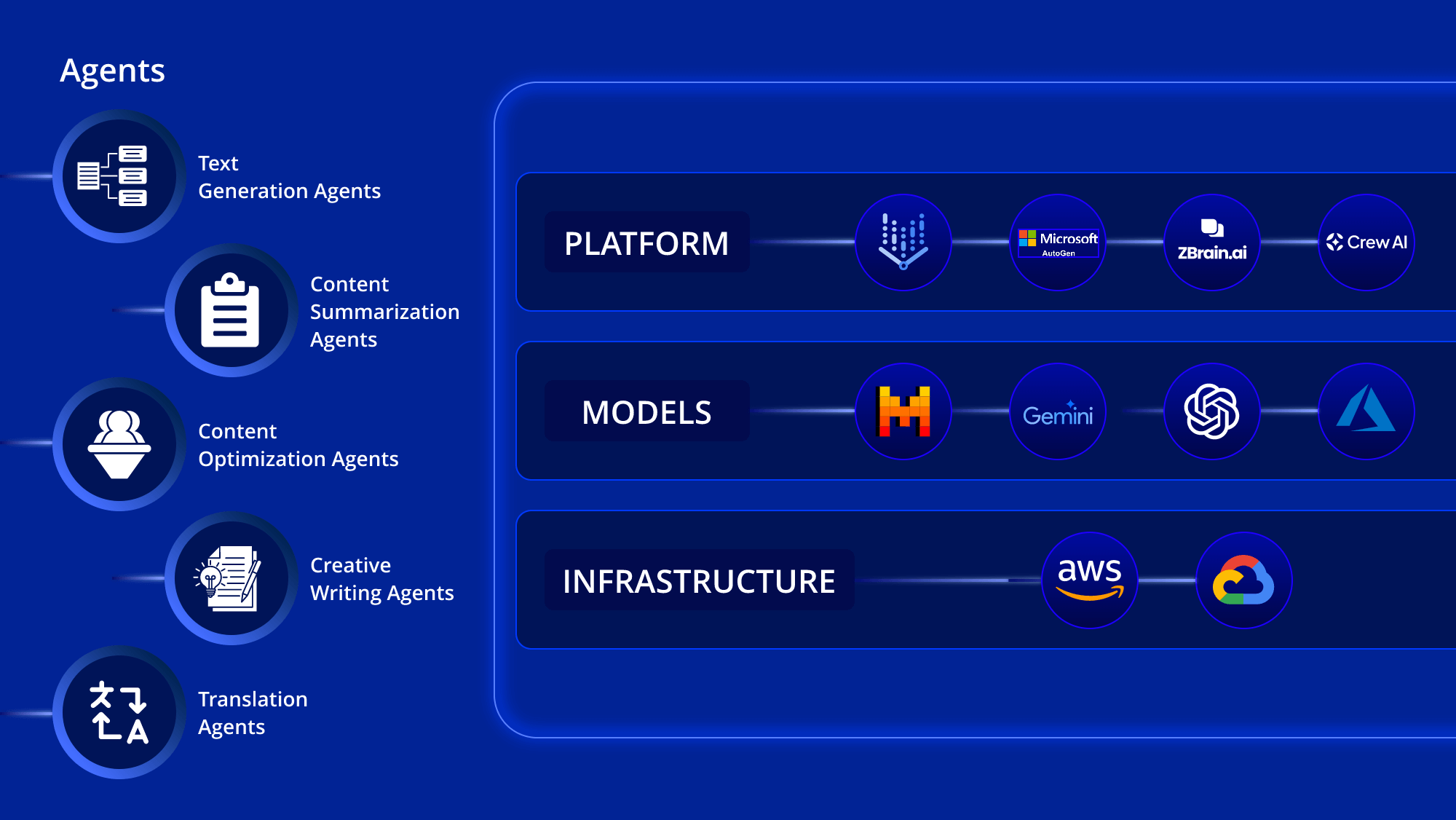
Generative AI agents focus on creating content or solutions. They utilize advanced models like Generative Adversarial Networks (GANs) and natural language processing (NLP) to generate text, images, music, and more. These agents are making significant advancements in creative fields, automating tasks like content creation, design, and coding.
Automating Workflows with AI
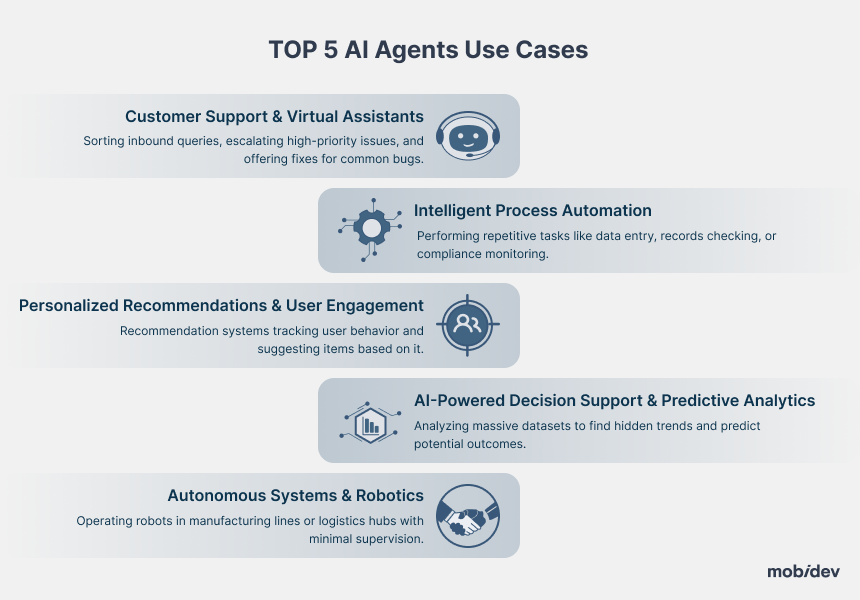
AI agents are essential for automating workflows across various industries. By incorporating AI agents into their processes, organizations can enhance operations, minimize human error, and boost productivity. Benefits include increased efficiency, cost savings, improved accuracy, and scalability.
AI Agents in Healthcare
In the healthcare sector, AI agents are transforming patient care, diagnostics, and research. These agents can analyze medical data, predict disease trends, and even assist in surgical procedures.
Key Contributions of AI Agents in Healthcare
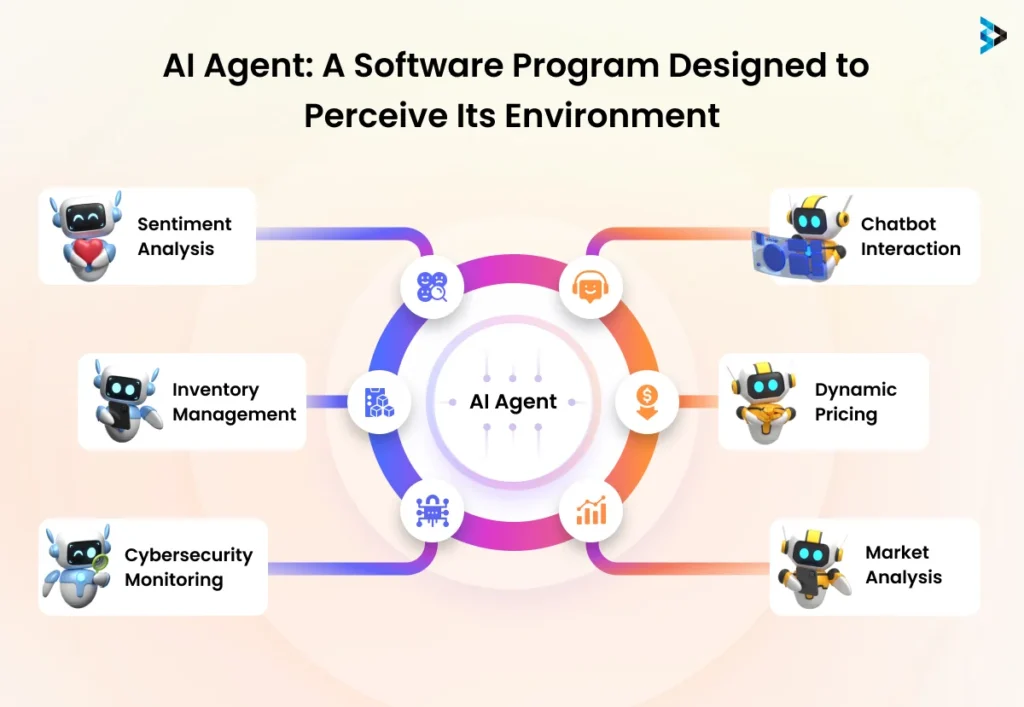
- Diagnostics: Evaluate medical images to help doctors diagnose conditions accurately.
- Predictive Analytics: Forecast disease outbreaks and patient outcomes.
- Personalized Medicine: Customize treatment plans based on individual patient profiles.
- Operational Efficiency: Automate administrative tasks like scheduling and billing.
The Future of AI Agents
As AI technology continues to evolve, the capabilities of AI agents will expand, providing even more advanced solutions. The integration of AI agents with emerging technologies like the Internet of Things (IoT) and blockchain will create new opportunities across various sectors.
Conclusion
AI agents are transforming numerous industries, driving innovation and efficiency. From healthcare to business, the applications of AI agents are diverse and promising, suggesting a future where intelligent automation enhances human capabilities.