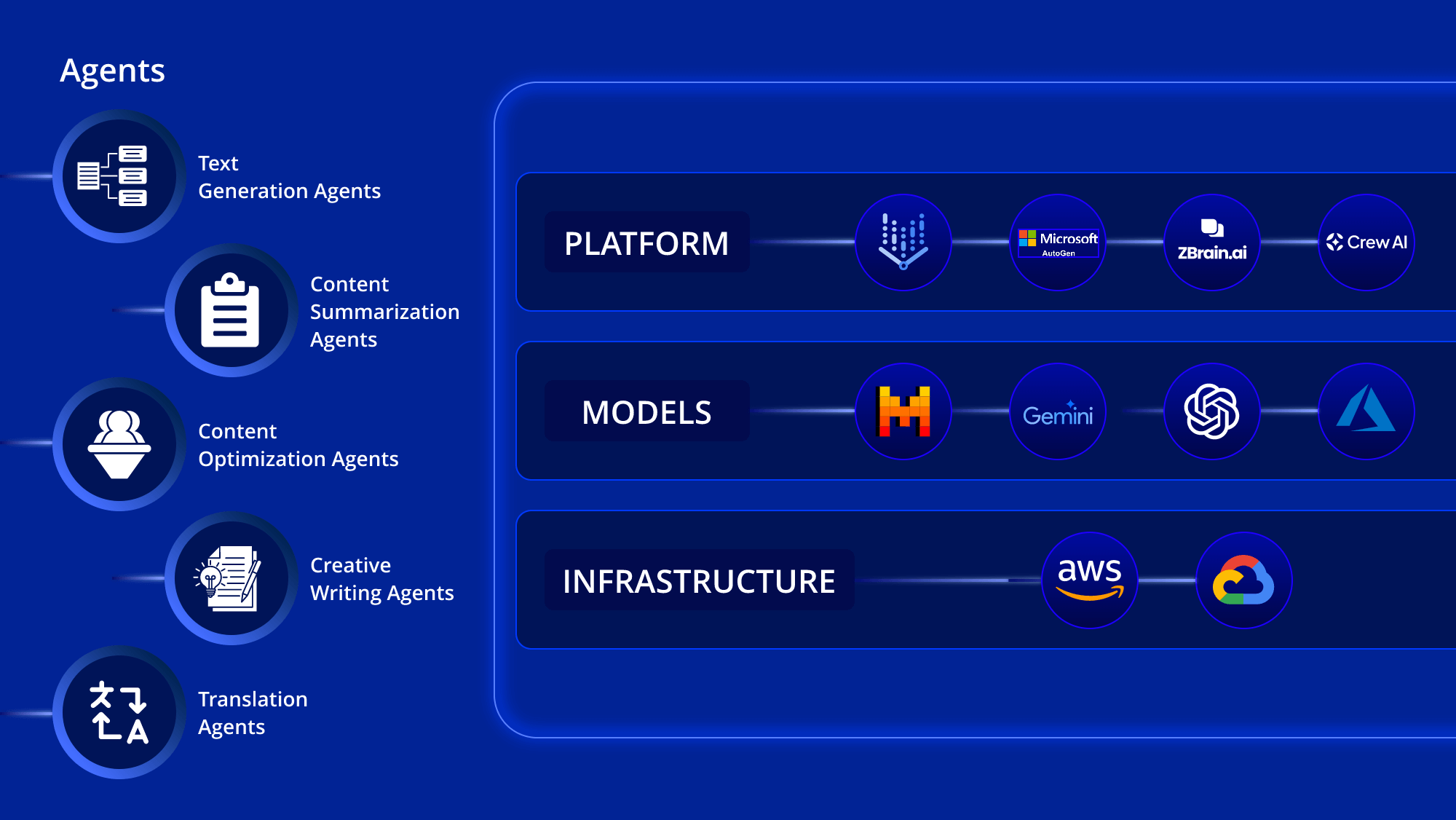
The Impact of AI Agents and Business Automation
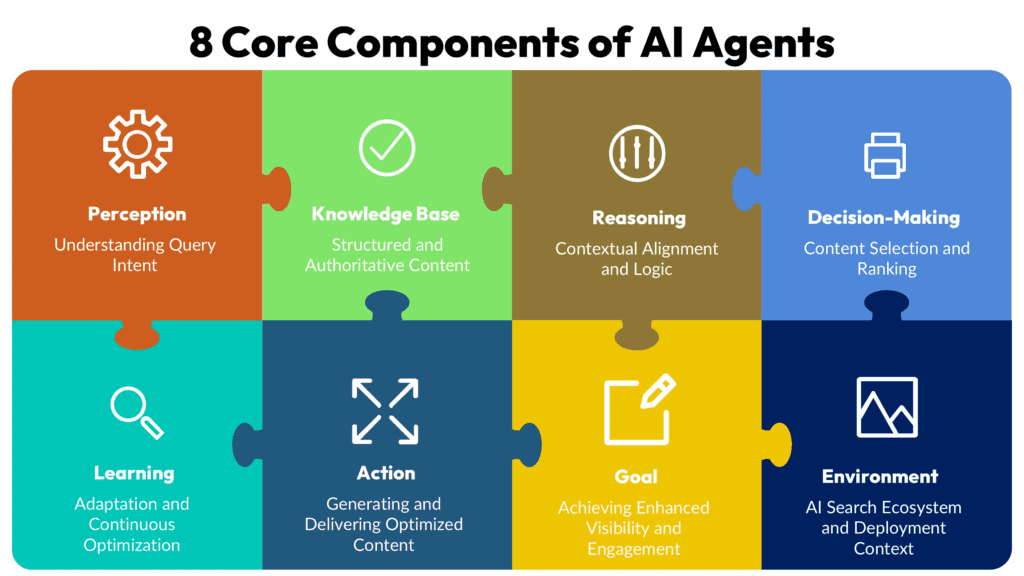
The Impact of AI Agents and Business Automation
In recent years, Artificial Intelligence (AI) has shifted from a concept of the future to a common element in our everyday lives and business practices. Central to this shift are AI agents, autonomous agents, agentic AI, and generative AI, all of which significantly enhance workflow automation and business processes. This article examines these important concepts and their contributions to intelligent agents, machine learning, and business automation.
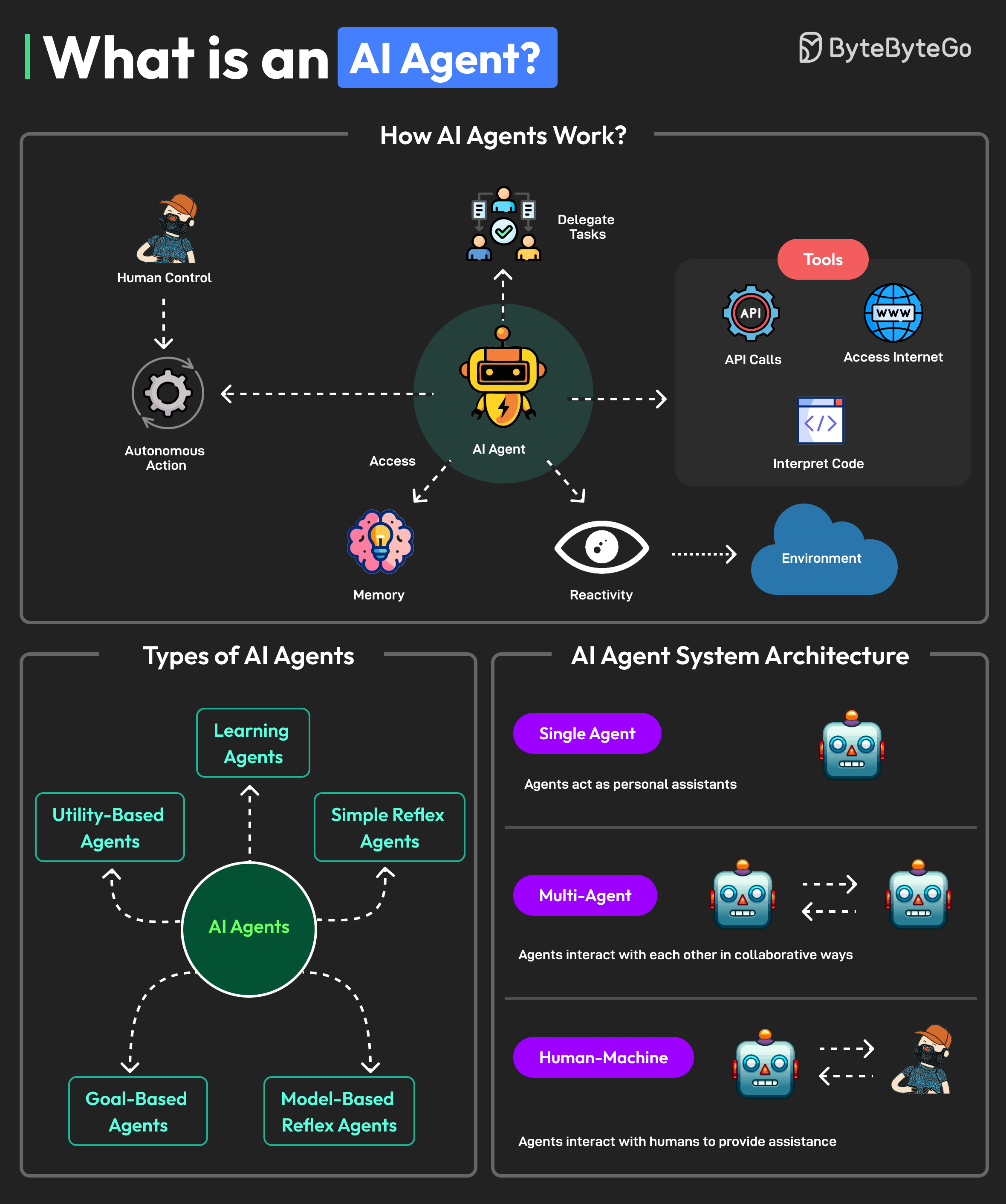
Source: ByteByteGo
Understanding AI Agents and Autonomous Agents
AI agents are software programs that carry out tasks for users with a certain level of independence. These agents can sense their surroundings, make decisions, and take actions to achieve specific goals. Autonomous agents go further by functioning without human oversight, adjusting to environmental changes, and learning from experiences to improve their performance over time.
Agentic AI: Enhancing Decision-Making Capabilities
Agentic AI refers to AI systems that can act independently. These systems analyze data, assess potential outcomes, and make decisions without direct human involvement. By utilizing advanced algorithms and data analysis, agentic AI can uncover patterns and trends, providing businesses with valuable insights to optimize their operations.
Generative AI: Creativity and Innovation
Generative AI is a branch of AI focused on producing new content, such as text, images, music, or entire virtual environments. Using techniques like deep learning and neural networks, generative AI can create outputs that rival those made by humans. In the business sector, generative AI plays a vital role in content creation, product design, and marketing strategies.
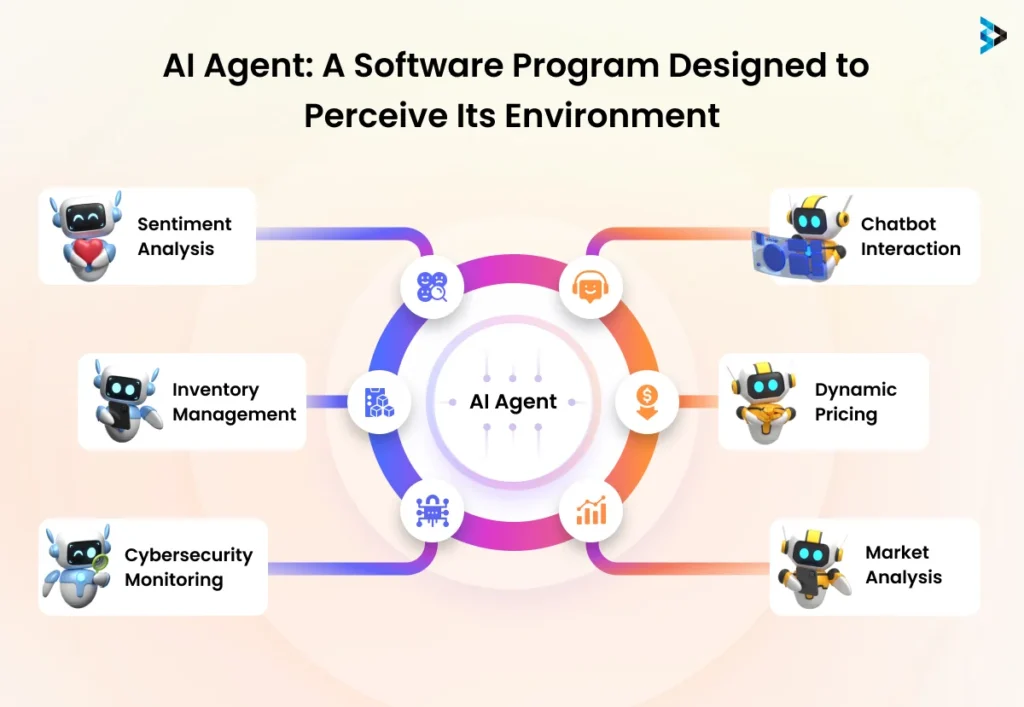
Source: Brainvire
Intelligent Agents: The Backbone of Workflow Automation
Intelligent agents are specialized software systems that utilize AI to perform tasks typically requiring human intelligence. They are fundamental to workflow automation, streamlining business processes and reducing the need for manual work. These agents can manage repetitive tasks like data entry, customer support, and inventory management, freeing human employees to concentrate on more strategic endeavors.
Machine Learning: The Driving Force Behind AI Agents
Machine learning is a vital aspect of AI agents, enabling them to learn from data and enhance their performance over time. Through algorithms and models, machine learning allows AI systems to identify patterns, make predictions, and adapt to new information. This ability is crucial for developing intelligent agents and autonomous systems.
The Future of AI Agents in Business
As AI technology continues to advance, the capabilities of AI agents, autonomous agents, and agentic AI will grow, creating new opportunities for business automation and transformation. The future holds the promise of even more sophisticated AI systems that can tackle complex decision-making tasks, generate creative content, and seamlessly integrate into various business processes.