The Growth of AI Agents: Revolutionizing Industries with Agentic AI and Multi-Agent Systems

The Growth of AI Agents: Revolutionizing Industries with Agentic AI and Multi-Agent Systems
Artificial Intelligence (AI) has transformed our interactions with technology, with AI agents leading this transformation. These autonomous entities are created to carry out specific tasks, learn from their surroundings, and make decisions independently of human input. This article explores AI agents, agentic AI, and multi-agent systems, highlighting their uses, advantages, and the promising future they hold.
What Are AI Agents?
AI agents are software programs that operate autonomously. They are designed to observe their environment, process information, and perform tasks to meet specific objectives. These agents can vary from simple rule-based systems to advanced neural networks that learn and adapt over time.
Agentic AI: Enabling Independence
Agentic AI refers to AI systems that can act on their own. Unlike traditional AI, which relies on specific instructions, agentic AI can make decisions based on incoming data. This independence allows AI agents to function in changing environments, making real-time choices that improve efficiency and effectiveness.
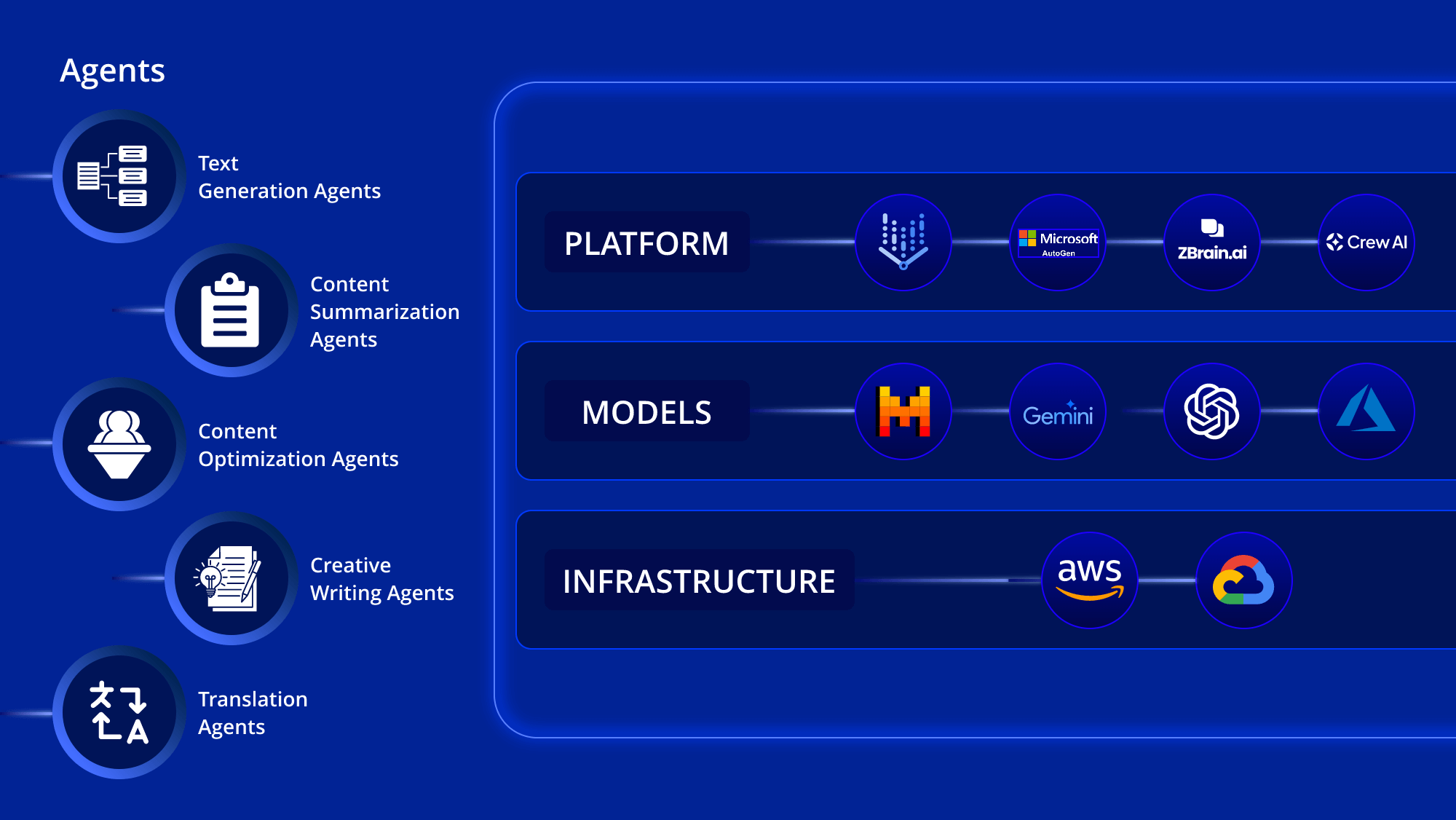
Uses of AI agents include customer support, healthcare, finance, and smart homes. Multi-agent systems consist of several AI agents collaborating to achieve a shared goal.
Perplexity Sources

Not all AI agents are the same: AI agents are autonomous systems that perceive their environment, make decisions, and act toward specific goals - description of types like Simple Reflex, Model-Based, Goal-Based Agents.
Core Components of AI Agents: Five Core Components: perception, learning, reasoning, action, and communication form the foundation of intelligent AI agent systems.
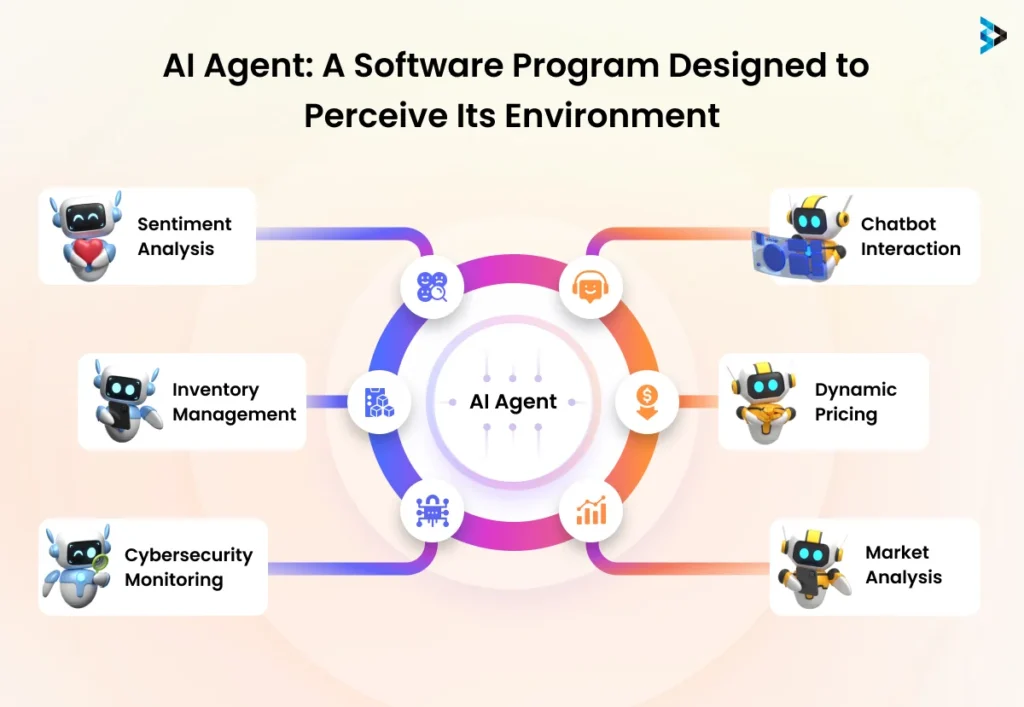
Exploring AI Agents: AI agent perceives environment, processes information, takes action to achieve goals. Global AI market to reach $1,811.8B by 2030.