The Growth of AI Agents: Changing Industries and Everyday Life
The Growth of AI Agents: Changing Industries and Everyday Life
Artificial Intelligence (AI) has progressed significantly in recent decades, reshaping various fields and improving daily living. A major breakthrough in this area is the emergence of AI agents. These smart systems are designed to perform tasks on their own, learn from their interactions, and adapt to new information. This article examines AI agents, discussing their functions, uses, advantages, and future prospects.
What Are AI Agents?
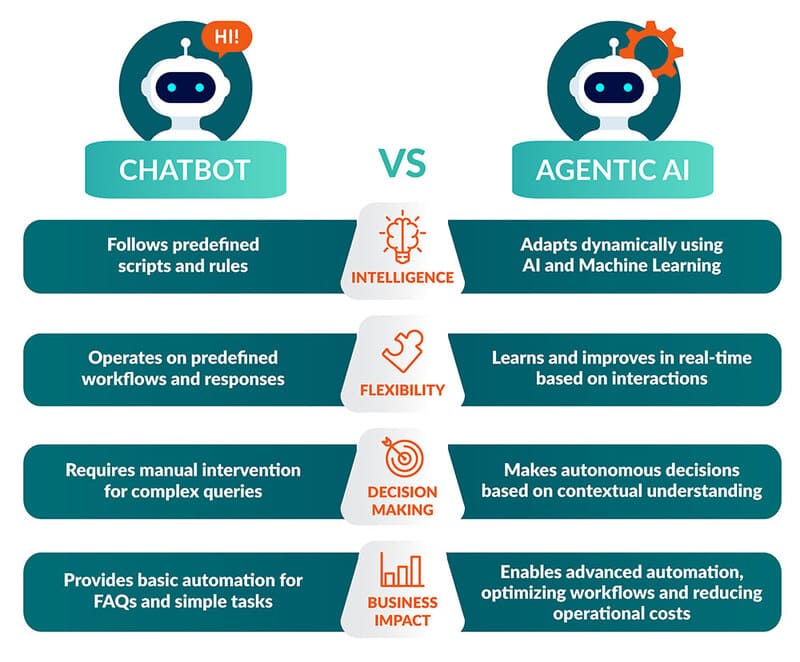
AI agents are computer systems that can sense their surroundings through sensors and take action to achieve specific goals. They vary from simple bots to advanced systems that incorporate machine learning and natural language processing. Key features of AI agents include:
- Independence: AI agents can operate without human help, making decisions based on established rules or learned experiences.
- Learning Ability: They adapt based on data inputs, improving their performance over time.
- User Interaction: AI agents communicate with users or other systems, often using natural language processing for effective communication.
- Objective-Driven: These agents are created to meet specific goals, optimizing processes and achieving desired results.
Uses of AI Agents
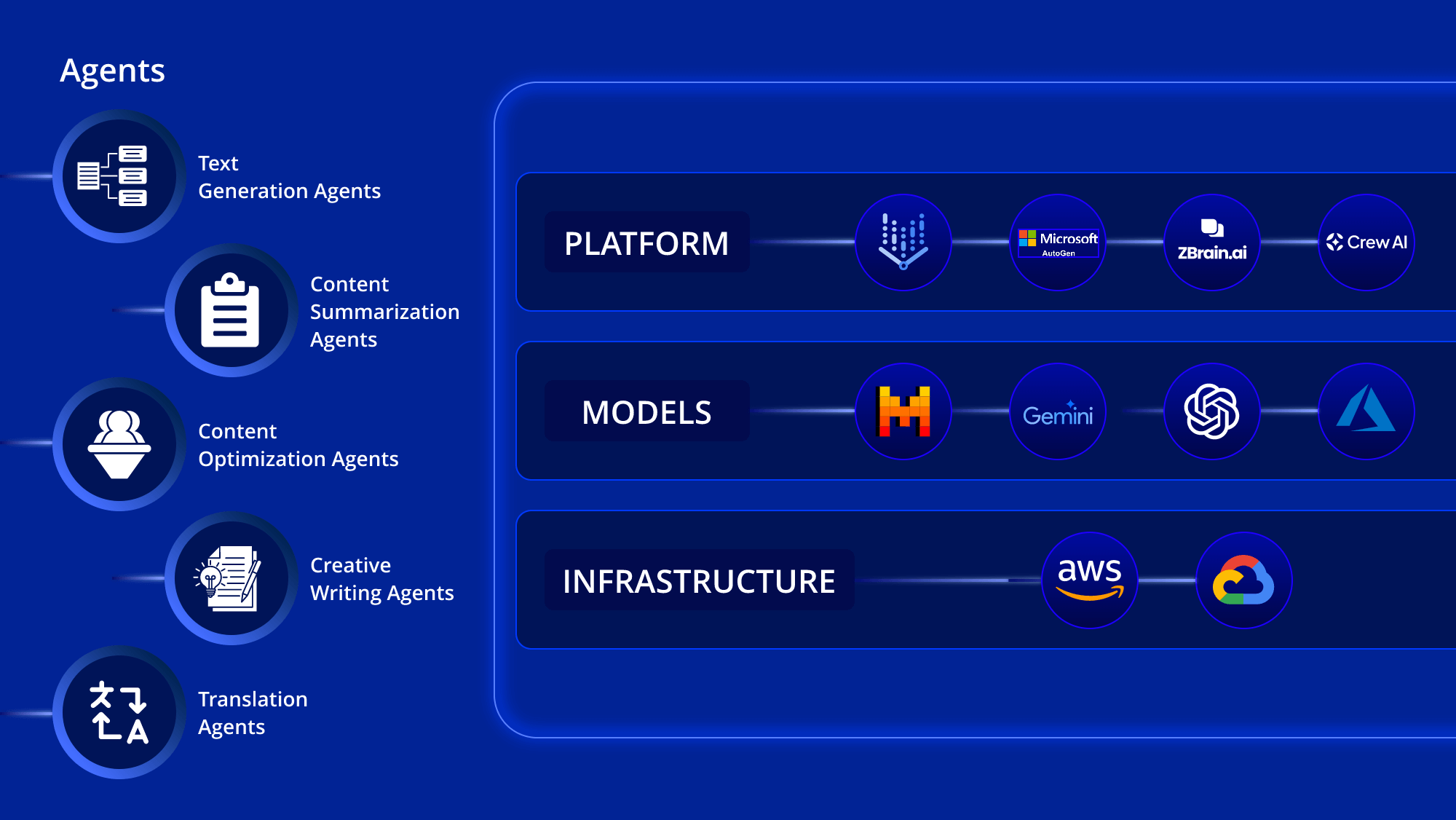
AI agents are utilized in various industries, improving processes and boosting efficiency. Here are some key sectors that benefit from AI agents:

1. Customer Support
AI agents, such as chatbots and virtual assistants, are transforming customer support by providing round-the-clock assistance, managing inquiries, and offering personalized suggestions. They use natural language processing to understand customer questions and respond accurately, reducing the need for human involvement.
2. Healthcare
In the healthcare sector, AI agents aid in diagnosing patients, planning treatments, and monitoring health. They analyze medical data to spot patterns, forecast health trends, and suggest interventions.
3. Finance
The finance industry employs AI agents for detecting fraud, assessing risks, and automating trading. By analyzing large datasets, these agents can identify fraudulent activities, evaluate credit risks, and execute trades accurately.
4. Education
In education, AI agents customize learning experiences to fit individual student needs. They provide interactive tutoring, evaluate student performance, and give feedback.
5. E-commerce
E-commerce platforms utilize AI agents for product recommendations, managing inventory, and engaging customers.
Advantages of AI Agents
- Greater Efficiency: AI agents automate repetitive tasks, allowing human resources to focus on more strategic initiatives.
- Cost Reduction: By minimizing the need for human involvement, businesses can lower operational costs and boost profit margins.
- Better Decision-Making: AI agents quickly analyze large volumes of data, providing insights that lead to improved decision-making.
- Increased Accuracy: With their ability to learn and adapt, AI agents reduce errors and enhance process accuracy.
- Scalability: AI agents can manage growing workloads without a drop in performance, making them suitable for scaling operations.
Challenges and Considerations
Despite their advantages, AI agents present challenges that need to be addressed, including Data Privacy, Bias and Fairness, Technical Complexity, and Ethical Issues.
The Future of AI Agents
The outlook for AI agents is bright. Key trends influencing the future include Integration with IoT, Enhanced Natural Language Processing, Ethical AI Development, and Personalization.
Conclusion
AI agents are transforming industries and improving daily life by automating tasks, increasing efficiency, and facilitating intelligent decision-making. As technology continues to advance, the capabilities of AI agents will expand, presenting new opportunities and challenges.