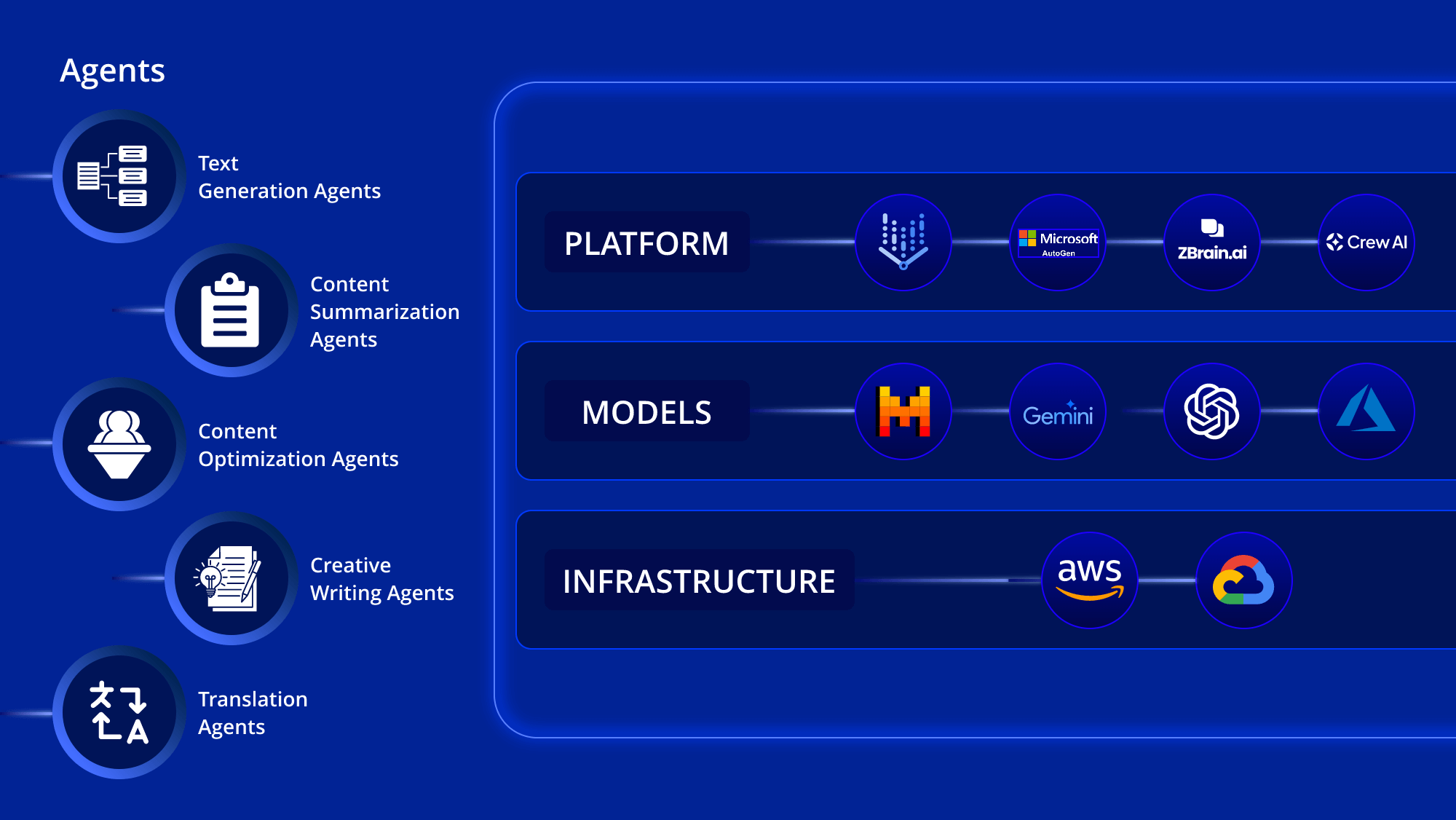
The Future of AI Agents

The Future of AI Agents
Artificial Intelligence is moving beyond simple chatbots and predictive analytics into a new era of AI agents—autonomous or semi-autonomous systems that can reason, plan, execute tasks, and interact with digital tools to achieve business goals. As organizations look for faster, smarter, and more cost-effective ways to operate, AI agent automation is becoming one of the most important technology trends shaping the future of work.

From customer service and sales to finance, software development, HR, and supply chain management, AI agents are helping businesses automate complex workflows that previously required human judgment and coordination. Unlike traditional automation, which follows fixed rules, AI agents can understand goals, adapt to changing information, use multiple tools, and make decisions within defined boundaries.
What Are AI Agents?
AI agents are intelligent software systems designed to perform tasks on behalf of users or organizations. They can interpret instructions, make decisions, interact with applications, retrieve information, analyze data, and complete workflows with varying levels of autonomy.
A basic chatbot may answer questions based on a knowledge base, but an AI agent can go further. For example, instead of simply telling a customer how to return a product, an AI agent can verify the order, check return eligibility, generate a return label, update the CRM, and notify the logistics team.
Top Business Use Cases
1. Customer Service Automation
Customer support is one of the most popular use cases for AI agents. Businesses receive large volumes of customer inquiries across email, chat, phone, and social media. AI agents can handle common questions, troubleshoot issues, process refunds, update customer records, and escalate complex cases to human agents.
2. Sales and Lead Management
AI agents can help sales teams identify, qualify, and nurture leads. They can analyze inbound inquiries, enrich prospect data, draft personalized outreach emails, schedule meetings, update CRM records, and recommend next-best actions.
3. Finance and Accounting Automation
Finance departments often deal with repetitive but detail-sensitive tasks. AI agents can automate invoice processing, expense review, financial reporting, reconciliation, fraud detection, and cash flow analysis.
Key Trends in AI Agents
1. Multi-Agent Systems
One of the biggest trends is the rise of multi-agent systems. Instead of one AI agent handling everything, multiple specialized agents work together. For example, a sales agent may qualify leads, a research agent may gather company information, and a scheduling agent may book meetings.
2. Agentic Workflows
Agentic workflows are becoming a core part of business processes. These workflows allow agents to interact with third-party systems and work towards long-term goals with minimum human interaction.
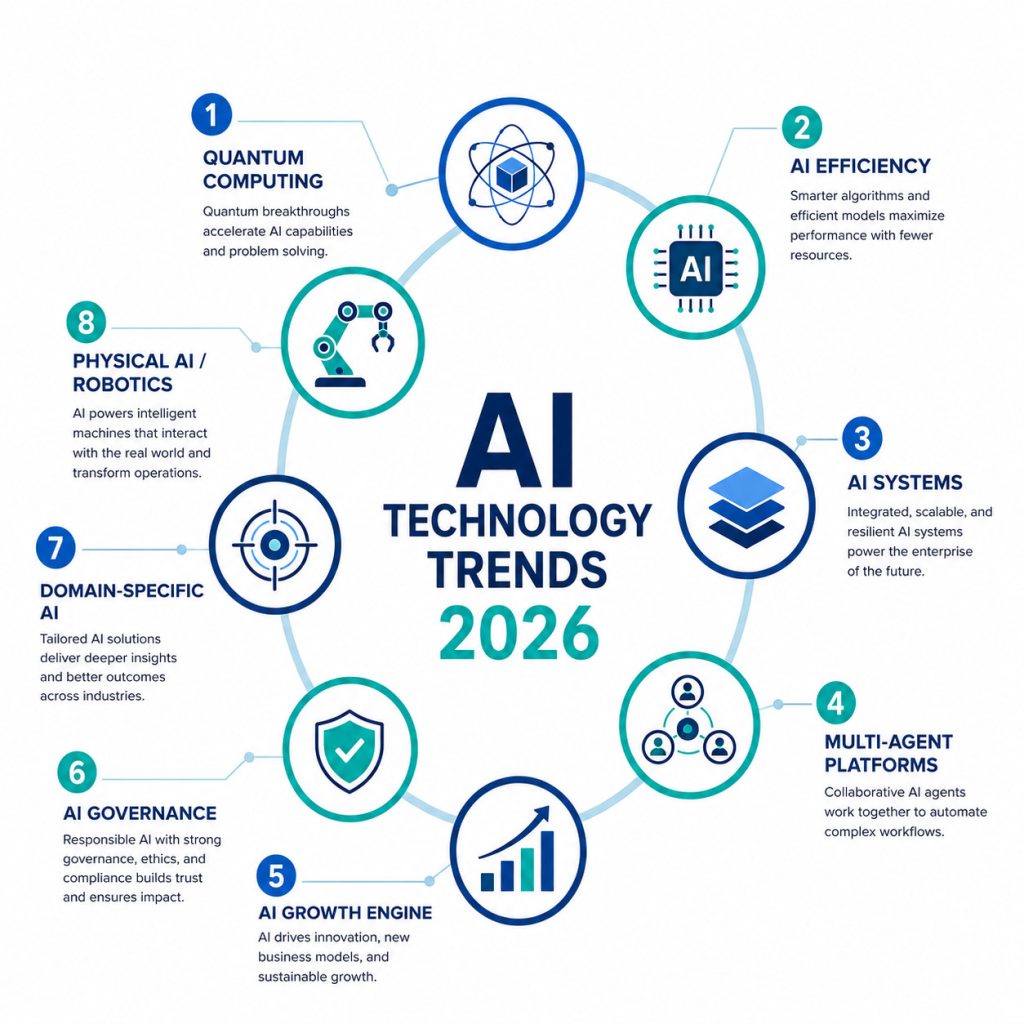
The Future of AI Agents in Business
The future of AI agents is highly promising. As models become more capable and integrations improve, AI agents will handle increasingly complex business processes. They will become digital coworkers that support employees, manage workflows, and deliver services across departments.
In the coming years, businesses may rely on AI agents to coordinate projects, manage customer relationships, optimize operations, and support strategic decisions. The companies that adopt AI agent automation early and responsibly will be better positioned to improve efficiency, reduce costs, and deliver superior customer experiences.
However, the most successful organizations will not simply automate everything. They will combine AI efficiency with human judgment, creativity, empathy, and strategic thinking. AI agents will be most powerful when they work alongside people.