The Future of Agentic AI: Trends Shaping AI Agents by 2026
The Future of Agentic AI: Trends Shaping AI Agents by 2026
The Future of Agentic AI: Trends Shaping AI Agents by 2026
Artificial Intelligence (AI) is advancing rapidly, and AI agents are becoming increasingly significant within this domain. By 2026, we anticipate a major shift where AI agents will be integral to various industries. This article delves into the trends that will influence the future of agentic AI and its effects across different sectors.
Understanding Agentic AI
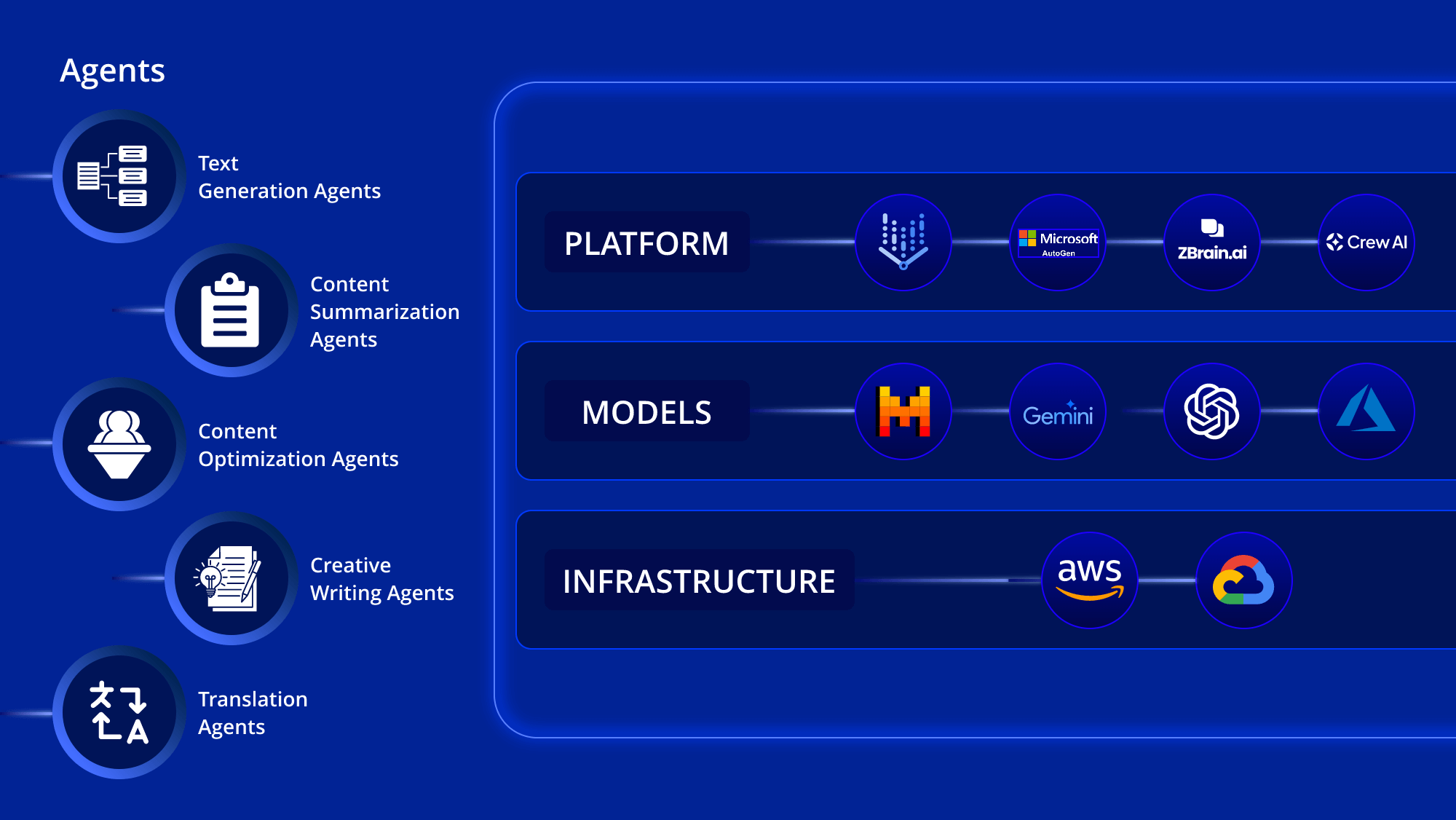
Agentic AI refers to autonomous software entities that can perform tasks, make decisions, and learn from their environments. Unlike traditional software, these agents can operate independently and adapt to new situations without needing specific programming for every scenario. Their sophistication ranges from simple automation to complex decision-making capabilities.
Key Trends in AI Agents
- Increased Personalization and Contextual Understanding: By 2026, AI agents will offer advanced personalization, accurately addressing individual user needs through improved natural language processing and contextual comprehension.
- Integration with the Internet of Things (IoT): AI agents will enhance automation in smart environments, managing interconnected devices and optimizing energy use while ensuring smooth communication between systems.
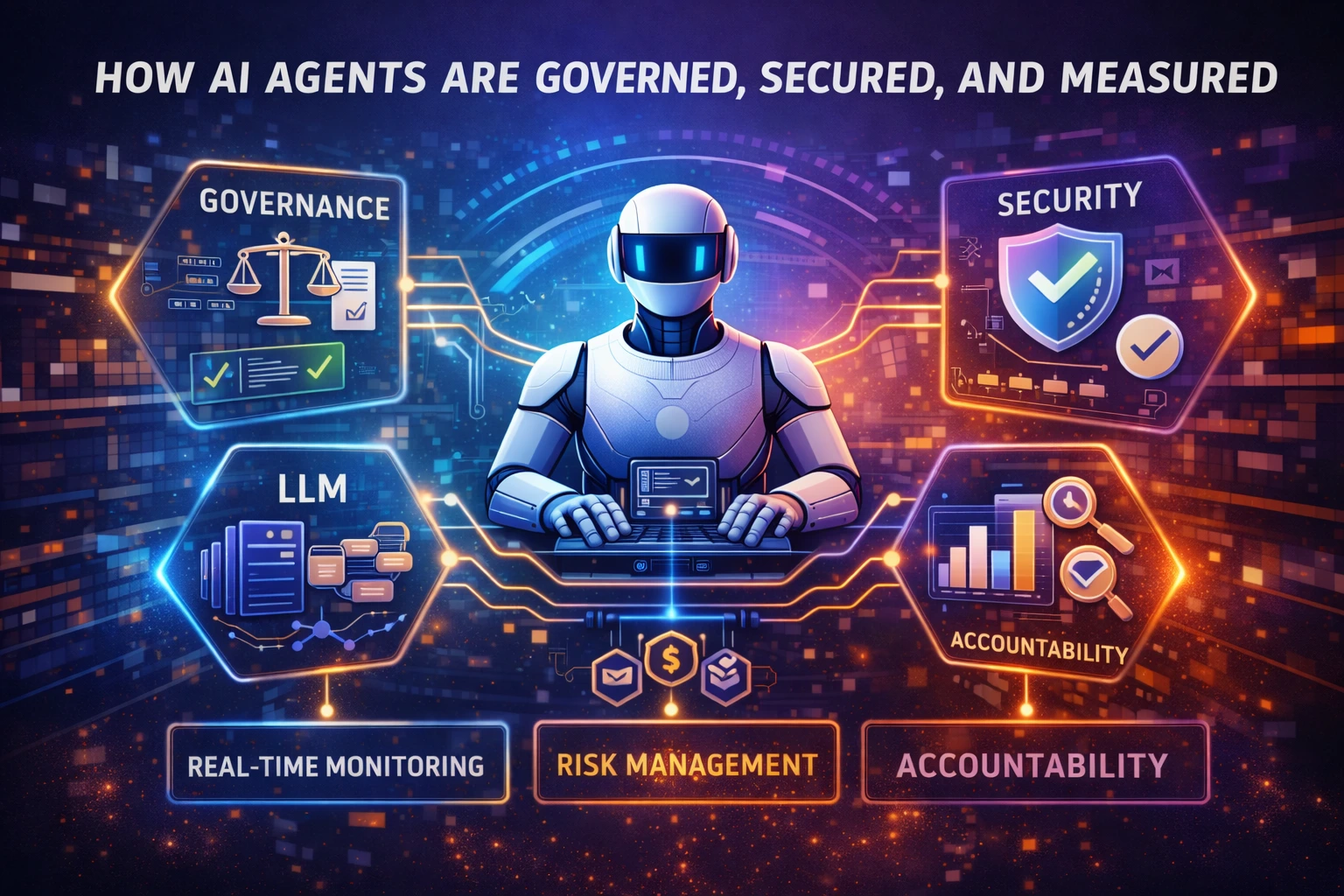
- Enhanced Security and Privacy Measures: With AI agents becoming more prevalent, advancements in secure architectures and privacy-preserving technologies will emerge, such as federated learning for local data processing.
- Ethical and Transparent AI: The push for ethical AI will lead to the development of transparent agents, with frameworks ensuring that AI systems are explainable, accountable, and aligned with societal values.
- Advancements in Autonomous Vehicles: AI agents will significantly impact the development of self-driving cars, managing complex driving scenarios and improving safety protocols.
- AI in Healthcare: The healthcare industry will be transformed by AI agents assisting in diagnostics, personalized medicine, and patient care management, ultimately improving outcomes and reducing costs.
- Augmented Reality (AR) and Virtual Reality (VR) Integration: AI agents will enhance AR and VR experiences, enabling interactive simulations for training, education, and entertainment.
- E-commerce and Retail Transformation: In retail, AI agents will revolutionize customer interactions and supply chain management, providing personalized shopping experiences and optimizing inventory.
- AI for Environmental Sustainability: AI agents will support environmental sustainability efforts by optimizing resource use, monitoring changes, and managing renewable energy sources.
The Impact of AI Agents on Society
The rise of AI agents will lead to significant societal changes, enhancing productivity and quality of life while also presenting ethical and regulatory challenges. Collaboration among policymakers, businesses, and technologists will be essential for responsible development and deployment.
Preparing for the Future
As we near 2026, it is crucial for businesses and individuals to ready themselves for the integration of AI agents into daily life. Organizations should prioritize AI literacy and upskilling, while regulatory bodies must establish frameworks to address the ethical implications of AI technologies.
In conclusion, the future of agentic AI appears bright, with the potential to transform industries and reshape our lives. By embracing these trends and preparing for upcoming challenges, we can fully leverage the capabilities of AI agents and usher in a new era of innovation.
Sources
- AI Agents: Complete Overview (2026) - Image: https://cdn.prod.website-files.com/692ec2b5665c46d243a85261/69e31d02a5a624790489416f_Creative.webp
- 120+ Agentic AI Tools Mapped Across 11 Categories [2026] - Image: https://www.stackone.com/_astro/ai-agent-landscape-2026-map.Dv2HeNHA_GU0vA.png