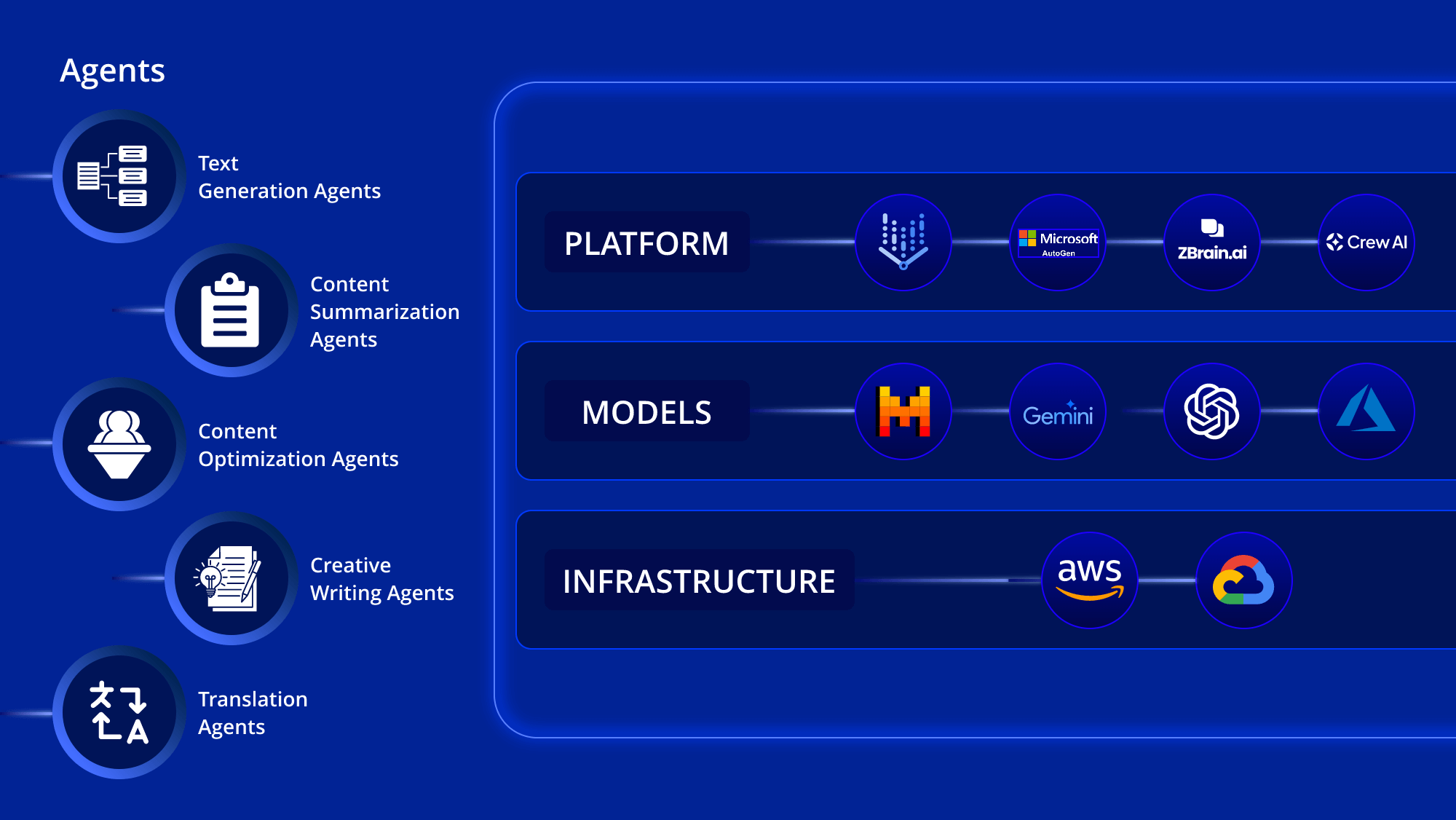
Exploring the World of AI Agents: Revolutionizing Interaction and Automation

Exploring the World of AI Agents: Revolutionizing Interaction and Automation
Introduction
In the rapidly evolving technological landscape, AI agents have emerged as transformative tools driving innovation across various sectors. These intelligent entities, powered by artificial intelligence, are revolutionizing the way we interact with digital systems, enhancing efficiency, and automating complex tasks. This article delves into the world of AI agents, exploring their functionalities, applications, and the impact they have on both businesses and everyday life.
Understanding AI Agents
AI agents are autonomous programs that utilize artificial intelligence to perform tasks on behalf of users. They are designed to perceive their environment, process information, and make decisions to achieve specific goals. Among the various types of AI agents are reactive agents, deliberative agents, hybrid agents, and learning agents—each bringing unique capabilities to the table.
Reactive Agents
Reactive agents respond to changes in their environment with predefined actions. They rely on real-time data and are ideal for tasks requiring immediate responses, such as autonomous vehicles navigating traffic and virtual assistants managing quick queries.
Deliberative Agents
Deliberative agents maintain internal models of the world and use reasoning to plan their actions. This makes them suitable for complex decision-making processes, such as those found in financial trading platforms and strategic supply chain management.
Hybrid Agents
Hybrid agents combine the immediacy of reactive responses with the strategic planning of deliberative agents. They are particularly effective in settings that require both quick responses and long-term planning, for instance, in healthcare diagnostics and treatment coordination.
Learning Agents
Learning agents continuously improve through machine learning techniques. By analyzing historical data and adapting over time, these agents refine their performance, a quality especially useful in personalized recommendation systems and adaptive interfaces.
Key Applications of AI Agents
AI agents are impacting several industries by automating tasks and optimizing efficiency:
- Customer Support: Providing real-time assistance and personalized query resolution.
- Healthcare: Enhancing diagnostics, managing patient data, and recommending efficient treatment plans.
- Finance: Automating trading, managing risks, and detecting fraudulent transactions.
- Retail and Marketing: Analyzing consumer behavior and tailoring marketing strategies to boost engagement and sales.
Benefits of AI Agents
Adopting AI agents offers multiple advantages:
- Efficiency: Automating repetitive tasks to free up human resources for strategic initiatives.
- Accuracy: Enhancing decision-making with precise data analysis.
- Scalability: Handling increased workloads without sacrificing performance.
- Cost-Effectiveness: Reducing operational costs through optimized resource management.
Challenges and Considerations
Despite their benefits, AI agents come with challenges that require careful attention:
- Data Privacy and Security: The extensive use of data necessitates robust privacy measures and secure processing.
- Ethical Implications: Issues such as algorithmic bias and potential job displacement need thoughtful evaluation.
- Integration Complexity: Seamlessly incorporating AI agents into existing systems demands careful planning and infrastructure upgrades.
Conclusion
AI agents are reshaping our technological landscape, offering significant advancements in automation and efficiency. As these intelligent systems continue to evolve, they will drive innovation across various industries. Embracing AI agents responsibly and ethically is essential for harnessing their full potential and building a sustainable future.