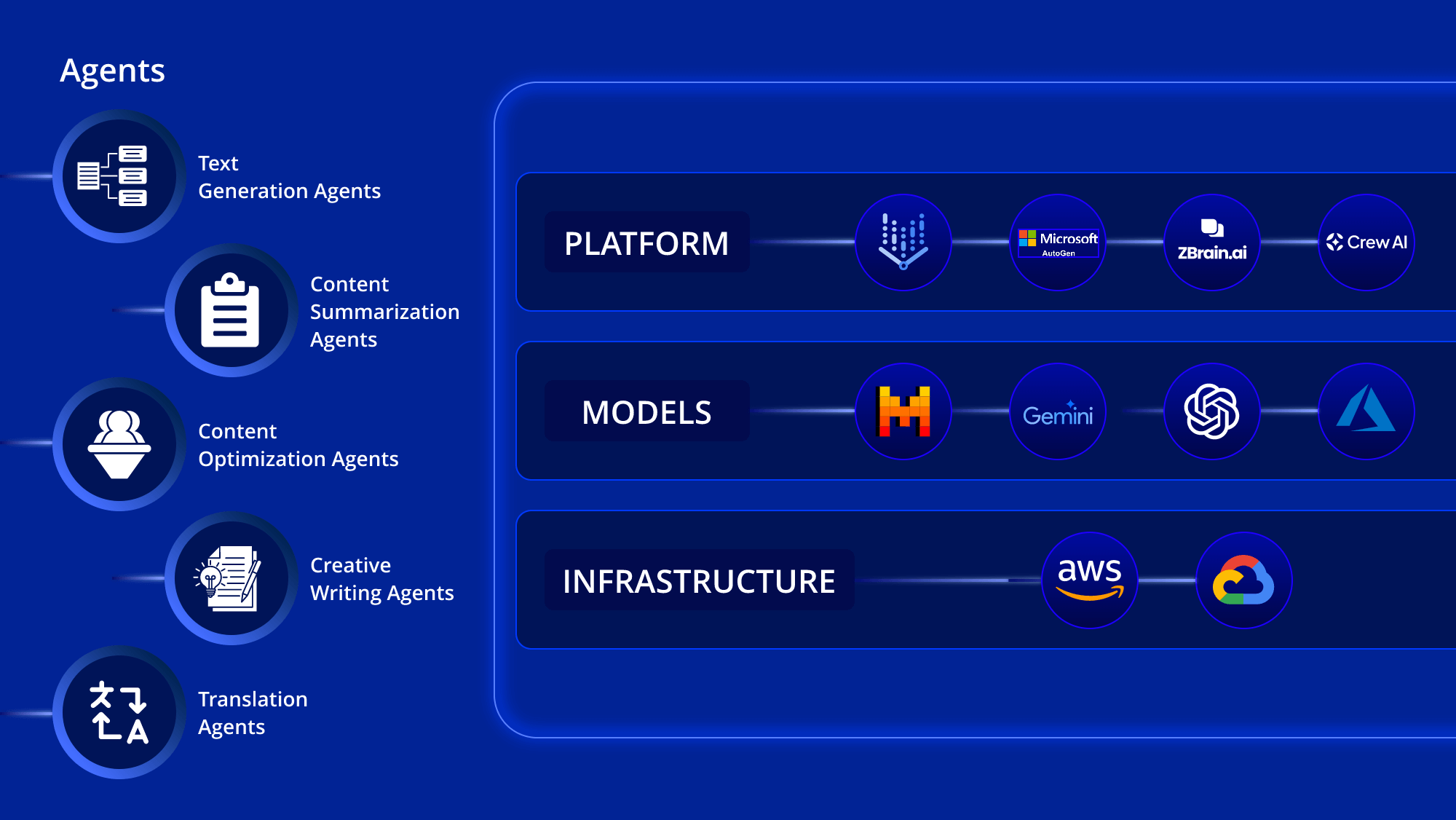
AI Agents

## The Rise of AI Agents: Transforming the Future of Automation
### Introduction
In the rapidly evolving world of technology, artificial intelligence (AI) has emerged as a transformative force, reshaping industries and redefining everyday life. Central to this evolution are AI agents, sophisticated systems designed to perform tasks autonomously. These agents are not only enhancing efficiency but are also paving the way for innovative solutions across various sectors. This article delves into the world of AI agents, exploring their capabilities, applications, and the potential they hold for the future.
### Understanding AI Agents
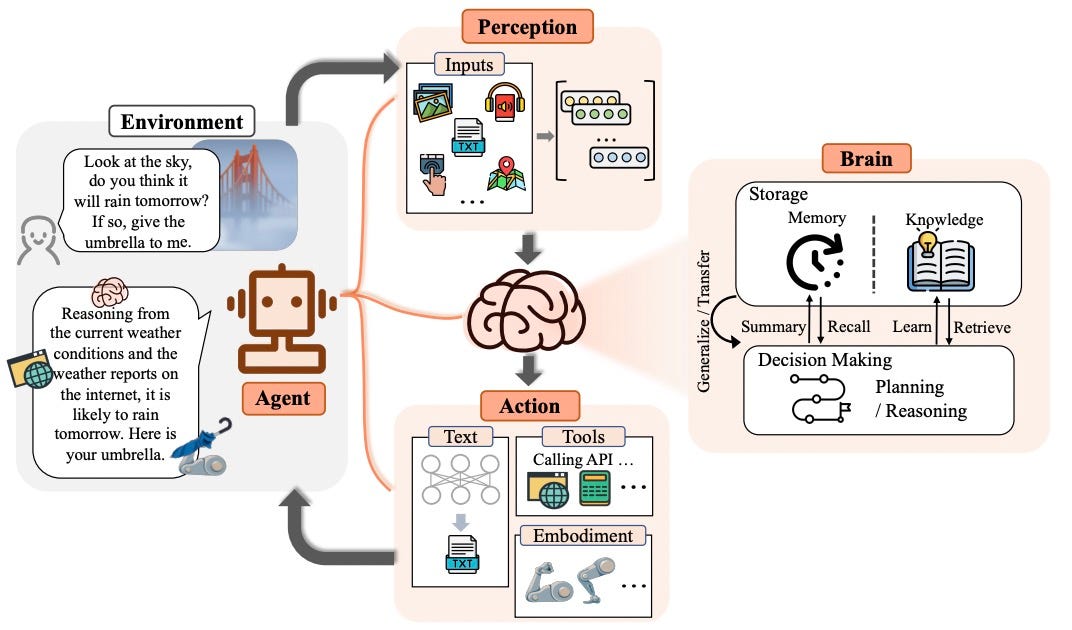
AI agents are autonomous entities that perceive their environment through sensors and act upon it using actuators to achieve specific goals. These agents are powered by advanced algorithms and machine learning techniques, enabling them to learn from data, make decisions, and improve over time. Unlike traditional software programs, AI agents operate with a degree of independence, often requiring minimal human intervention.
### Types of AI Agents
1. **Reactive Agents**: These agents respond to stimuli from their environment without retaining any history. They operate based on current perceptions and are suitable for tasks requiring immediate responses.
2. **Deliberative Agents**: Equipped with internal models, these agents can plan and make decisions based on future possibilities. They are ideal for complex problem-solving tasks.
3. **Hybrid Agents**: Combining the features of reactive and deliberative agents, hybrid agents can handle dynamic environments while planning for long-term outcomes.
4. **Learning Agents**: These agents improve their performance over time by learning from past experiences. They employ techniques like reinforcement learning to optimize their actions.
### Applications of AI Agents
AI agents are being integrated into various sectors, transforming operations and delivering unprecedented value:
1. **Healthcare**: AI agents assist in diagnosing diseases, recommending treatments, and managing patient care. They analyze vast amounts of medical data, providing insights that enhance decision-making.
2. **Finance**: In the finance sector, AI agents automate trading, detect fraud, and provide personalized financial advice. Their ability to process large datasets quickly ensures accurate and timely decision-making.
3. **Customer Service**: Chatbots and virtual assistants are AI agents that handle customer inquiries, providing instant support and improving customer satisfaction.
4. **Manufacturing**: AI agents optimize production processes, manage supply chains, and predict equipment failures, enhancing efficiency and reducing downtime.
5. **Transportation**: Autonomous vehicles, powered by AI agents, are transforming transportation by improving safety, reducing emissions, and enhancing mobility.
### The Benefits of AI Agents
The adoption of AI agents offers numerous benefits:
- **Increased Efficiency**: AI agents automate repetitive tasks, freeing up human resources for more strategic activities.
- **Cost Reduction**: By optimizing processes and reducing errors, AI agents help organizations save costs.
- **Improved Accuracy**: AI agents process data with high precision, minimizing the risk of human error.
- **Scalability**: AI agents can be deployed across various platforms, offering scalable solutions to meet growing demands.
- **Enhanced Decision-Making**: With access to real-time data and analytics, AI agents provide insights that inform better decision-making.
### Challenges and Considerations
Despite their potential, AI agents present certain challenges:
- **Ethical Concerns**: The decision-making capabilities of AI agents raise ethical questions about accountability and transparency.
- **Data Privacy**: AI agents rely on vast amounts of data, necessitating robust measures to protect privacy and prevent misuse.
- **Integration**: Incorporating AI agents into existing systems requires careful planning and consideration of technical and organizational factors.
### The Future of AI Agents
The future of AI agents is promising, with advancements in technology set to expand their capabilities further. Emerging trends include:
- **Explainable AI**: Developing AI agents that can explain their decisions and actions to humans, enhancing trust and transparency.
- **Collaborative AI**: Designing agents that work alongside humans, leveraging the strengths of both to achieve optimal outcomes.
- **Generalized AI**: Moving towards agents capable of performing a wide range of tasks, akin to human cognitive abilities.
### Conclusion
AI agents are revolutionizing the way we interact with technology, offering solutions that were once thought impossible. As they continue to evolve, these agents will play a crucial role in shaping the future of various industries. Embracing AI agents not only promises enhanced efficiency and innovation but also opens new avenues for growth and development. Organizations that harness the power of AI agents today will be better positioned to thrive in the digital age.