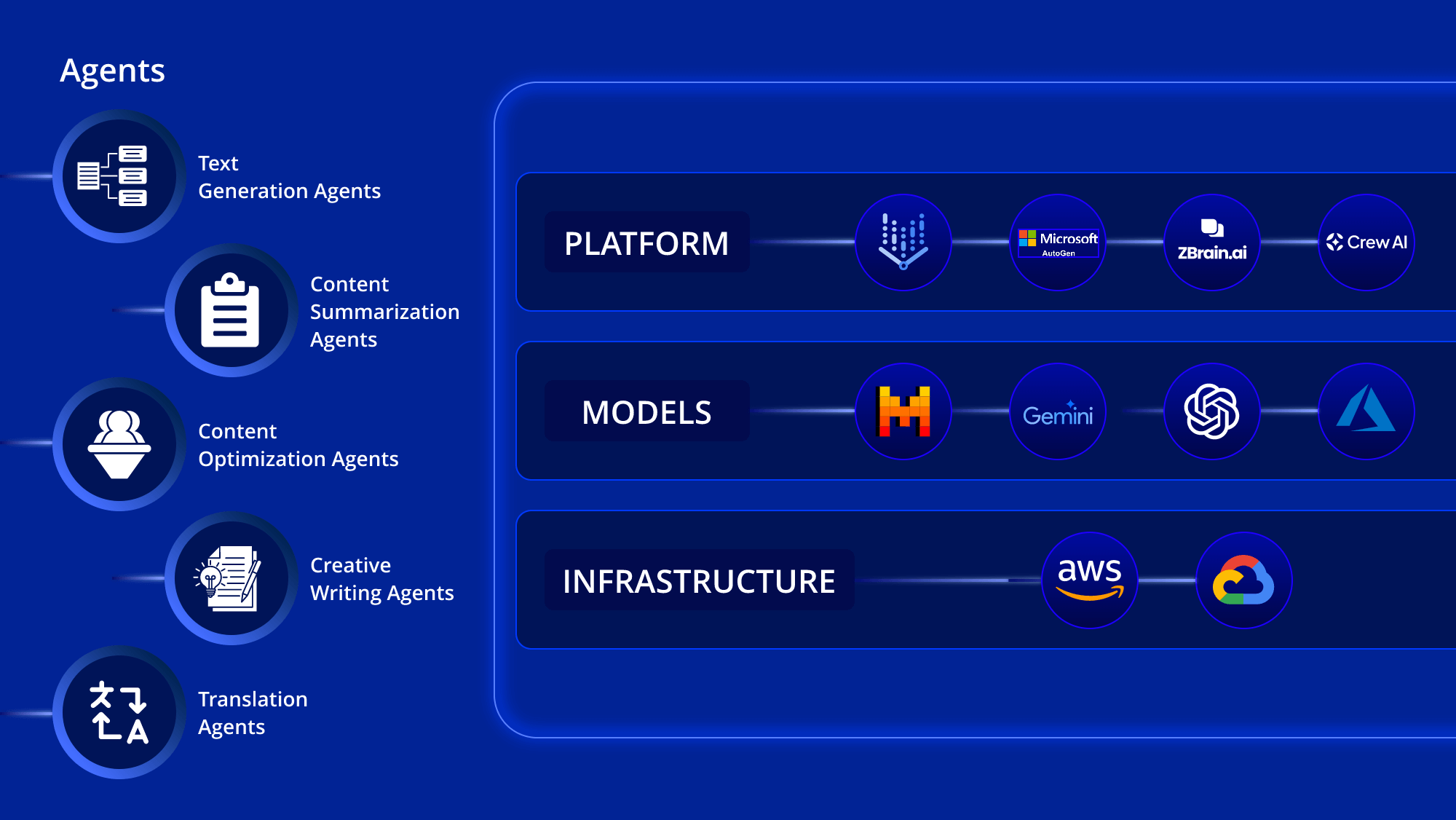
AI Agents: Transforming the Future of Automation
AI Agents: Transforming the Future of Automation
AI agents have emerged as a powerful force, revolutionizing industries and transforming how we interact with technology. This article explores their capabilities, applications, and impact across various sectors.
Understanding AI Agents
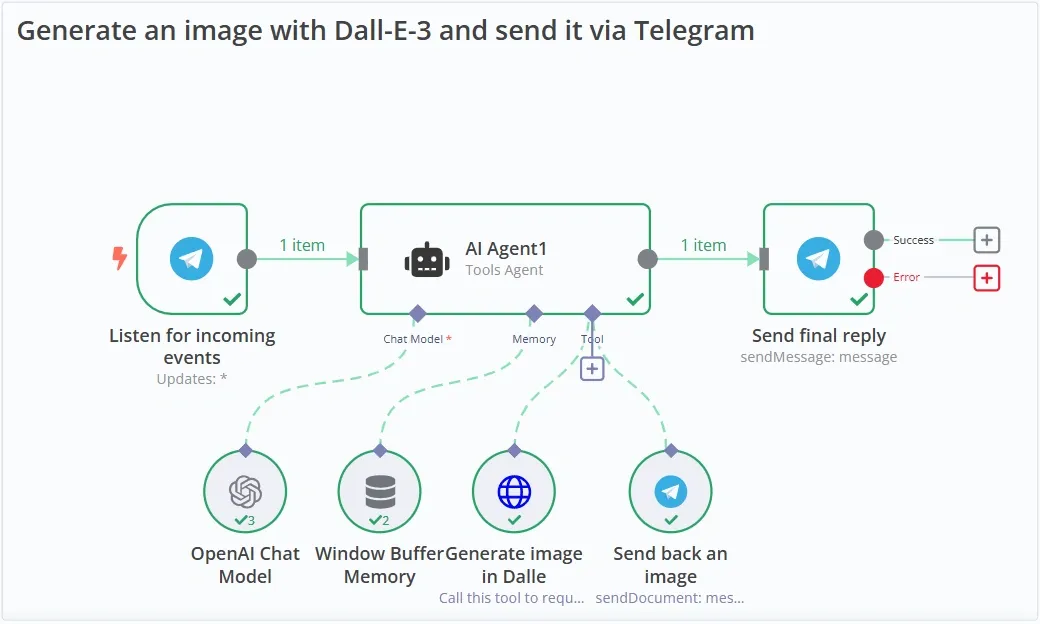
AI agents are autonomous entities that use artificial intelligence to perform specific tasks and make decisions based on data inputs. They simulate human-like behavior and can operate independently, learning from their environments to improve performance over time.
Key Features of AI Agents
- Autonomy: Operate without continuous human intervention.
- Adaptability: Learn from experiences and adjust to new environments.
- Interactivity: Communicate with humans and systems for seamless interactions.
- Scalability: Handle vast data and operate across multiple platforms.
Applications of AI Agents
Customer Service
Virtual assistants and chatbots provide instant, personalized support, freeing human agents for complex issues.
Healthcare
AI agents assist in diagnostics, patient monitoring, and personalized treatment plans by analyzing vast medical data.
Finance
They automate fraud detection, perform risk analysis, and provide investment insights for smarter financial management.
Marketing
Marketers use AI agents to analyze consumer behavior, optimize campaigns, and drive engagement.
Accessibility
AI agents can generate descriptive alt text for images, ensuring accessibility for visually impaired users.

Challenges and Ethical Considerations
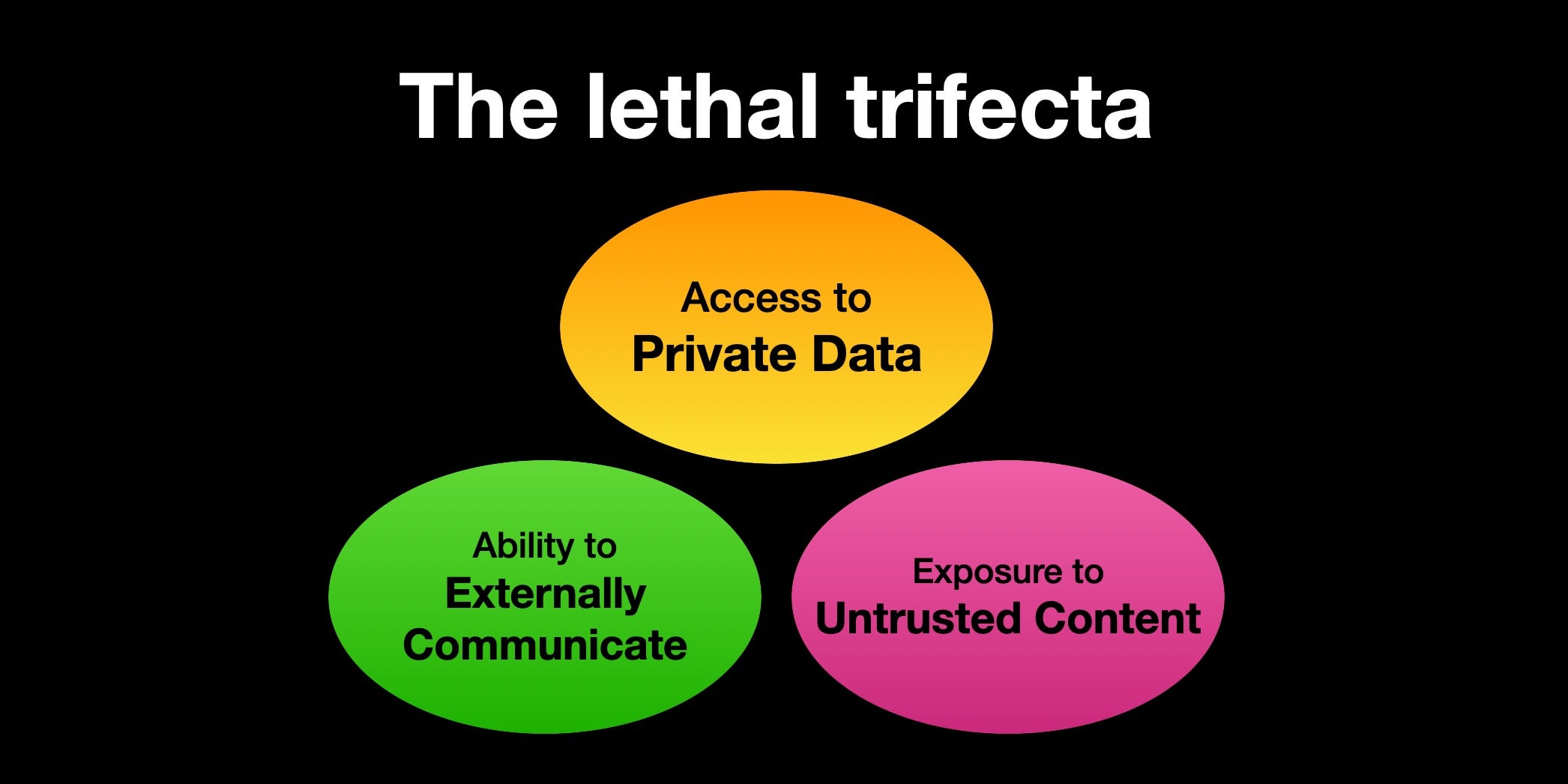
Implementing AI agents involves:
- Data Privacy: Ensuring compliance with data protection regulations.
- Bias Mitigation: Eliminating bias for fair decision-making.
- Transparency: Clearly communicating AI operations to build trust.
The Future of AI Agents
Upcoming trends include greater IoT integration, advanced predictive analytics, and enhanced collaborative AI-human frameworks.

Conclusion
AI agents are driving innovation, enhancing efficiency, and reshaping industries. Embracing these intelligent systems is key to future success in an increasingly automated world.