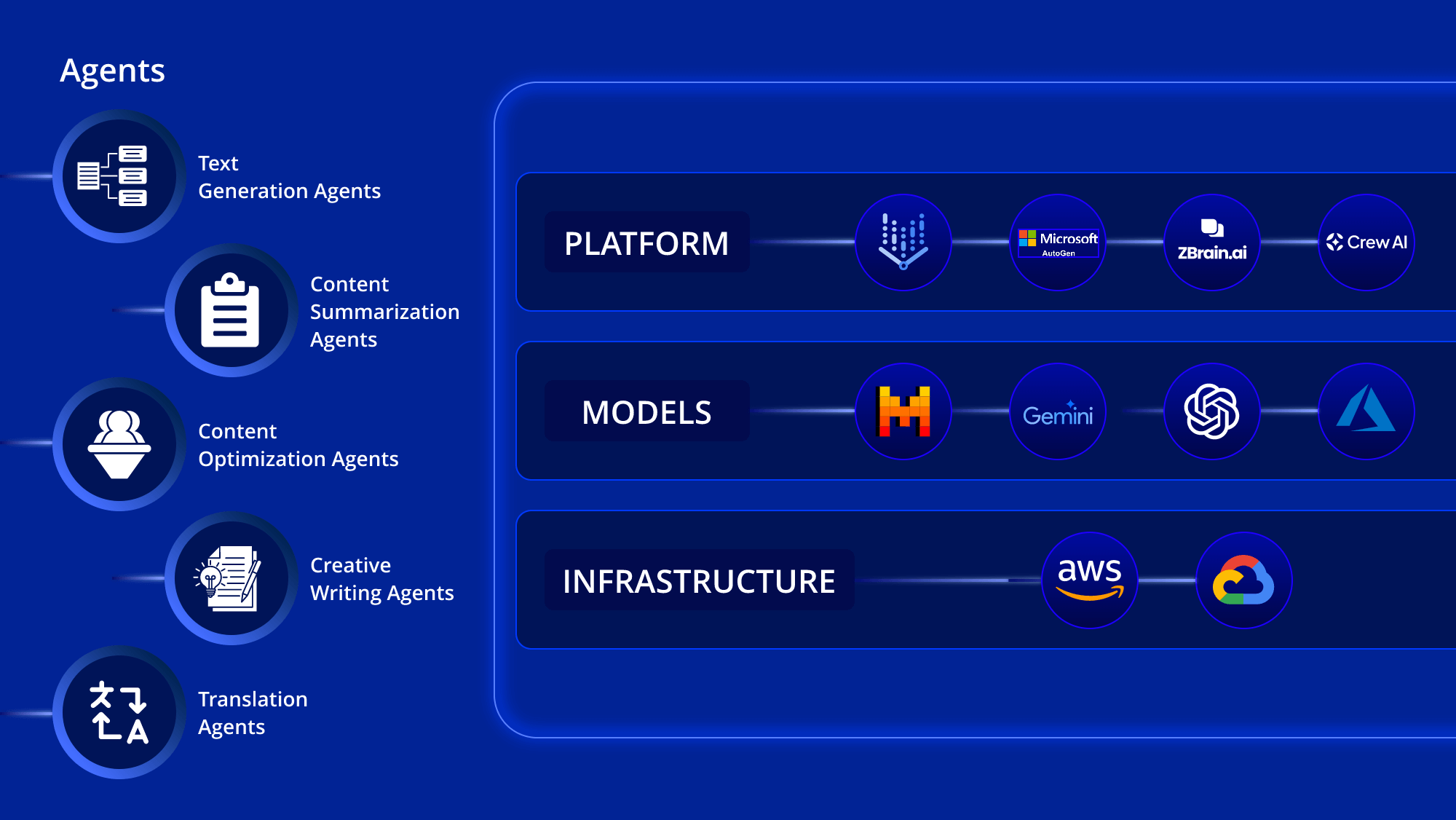
AI Agents: The Future of Intelligent Automation
AI Agents, Autonomous Agents, Agentic AI, and Multi-Agent Systems: The Future of Intelligent Automation
Introduction
Artificial intelligence is rapidly evolving from simple question-answering tools into advanced systems capable of planning, reasoning, taking action, and completing complex tasks with minimal human supervision. At the center of this transformation are AI agents, autonomous agents, agentic AI, and multi-agent systems.
These technologies are changing how businesses operate, how software applications are built, and how humans interact with machines. Instead of merely responding to prompts, modern AI agents can understand goals, make decisions, use tools, interact with external systems, and learn from feedback. This shift marks a major step toward intelligent automation that is more adaptive, proactive, and scalable.
What Are AI Agents?
An AI agent is a software-based system designed to perceive its environment, process information, make decisions, and take actions to achieve a specific goal. Unlike traditional software programs that follow fixed instructions, AI agents can operate with a degree of flexibility and intelligence.
In simple terms, an AI agent receives input, analyzes the situation, decides what to do next, and performs an action. This action may involve generating a response, searching the web, updating a database, sending an email, writing code, scheduling a meeting, or controlling a physical device.
Key Components of an AI Agent
Most AI agents include several important components that allow them to function effectively:
- Perception: The agent’s ability to collect information from its environment.
- Reasoning: Allows the AI agent to understand the information it receives and decide what it means.
- Planning: Enables the agent to break a larger goal into smaller steps.
- Action: The ability to act (send messages, execute commands, call APIs, etc.).
- Memory: Helps AI agents remember past interactions, preferences, and tasks.
- Feedback and Learning: Advanced agents can improve through feedback to make better decisions.
What Are Autonomous Agents?
Autonomous agents are AI agents that can operate independently with limited or no human intervention. They are designed to pursue goals, make decisions, and execute actions on their own.
The key feature of an autonomous agent is independence. While a standard AI system may wait for each user instruction, an autonomous agent can continue working toward a goal until the task is complete or until it encounters a situation that requires human input.
What Is Agentic AI?
Agentic AI refers to artificial intelligence systems that demonstrate agency. In other words, agentic AI can take initiative, make decisions, use tools, plan actions, and work toward goals instead of simply generating passive responses.
Traditional AI often functions as a reactive system. A user asks a question, and the AI provides an answer. Agentic AI is more proactive. It can interpret a goal and determine the best path to achieve it.
What Are Multi-Agent Systems?
A multi-agent system is a structure where multiple AI agents interact with one another to complete tasks, solve problems, or manage complex environments. Each agent may have a specific role, skill, or responsibility.
Instead of relying on one AI agent to do everything, a multi-agent system divides work among specialized agents. This often improves efficiency, accuracy, and scalability.
Real-World Use Cases
AI agents, autonomous agents, agentic AI, and multi-agent systems are being applied across many industries, including customer support, sales and marketing, healthcare, finance, software development, human resources, and supply chain logistics.
Sources
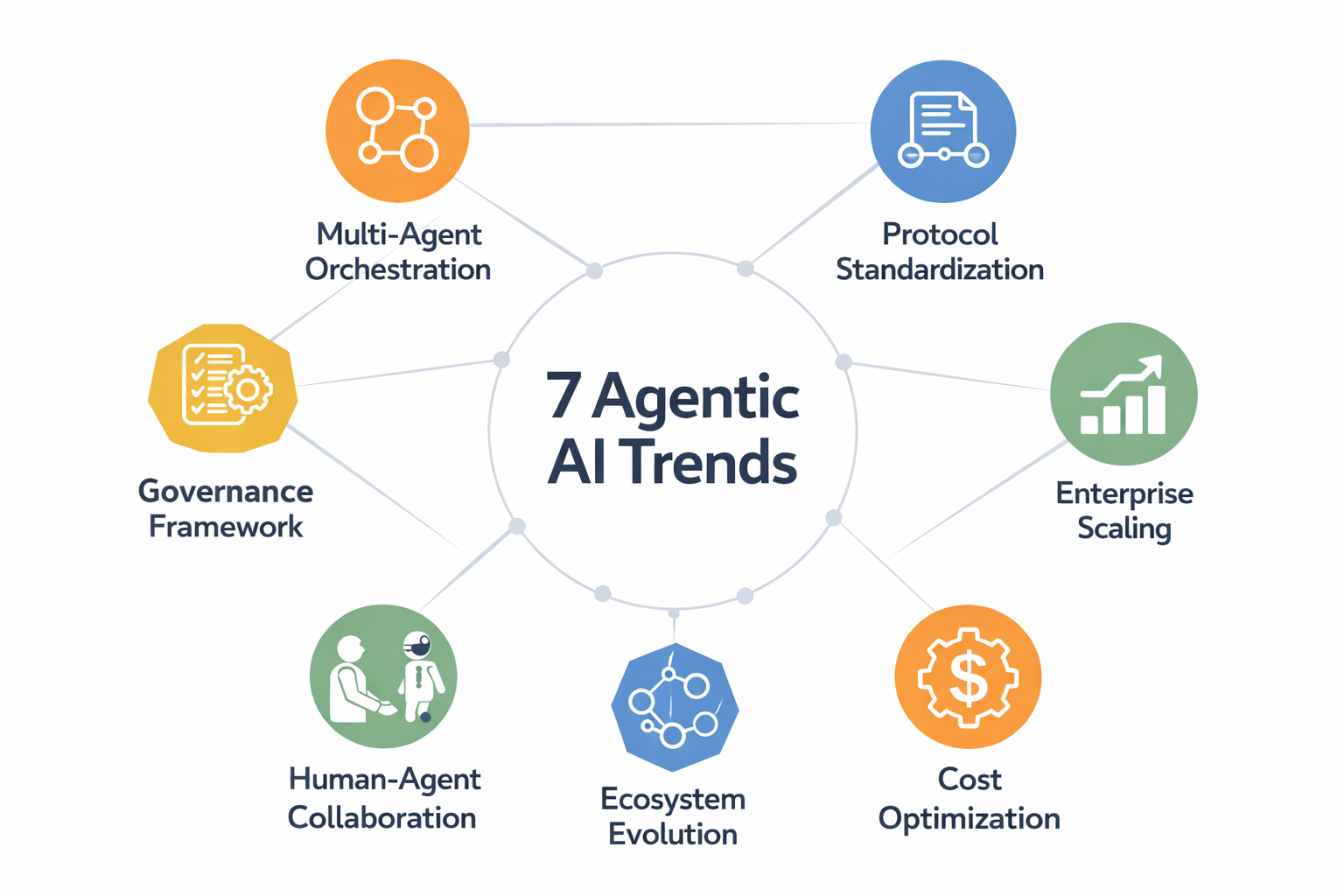
7 Agentic AI Trends to Watch in 2026
MachineLearningMastery.com: The agentic AI field is moving from experimental prototypes to production-ready autonomous systems.
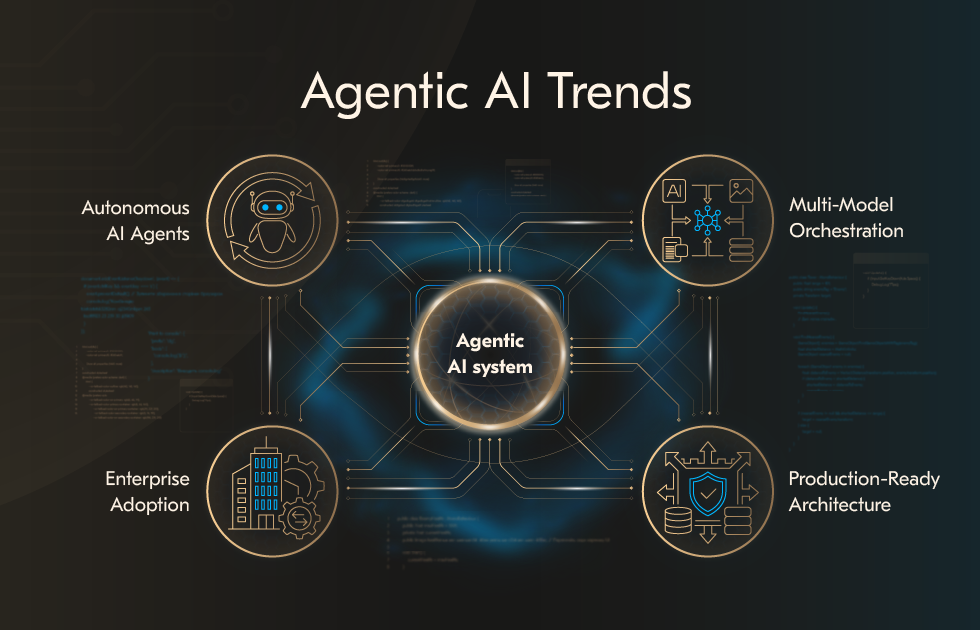
Agentic AI Trends 2026: Future of Autonomous AI Agents
Acropolium: The enterprises pulling ahead in 2026 aren’t the ones with the boldest AI roadmaps. They’re the ones that quietly moved from pilots to production.
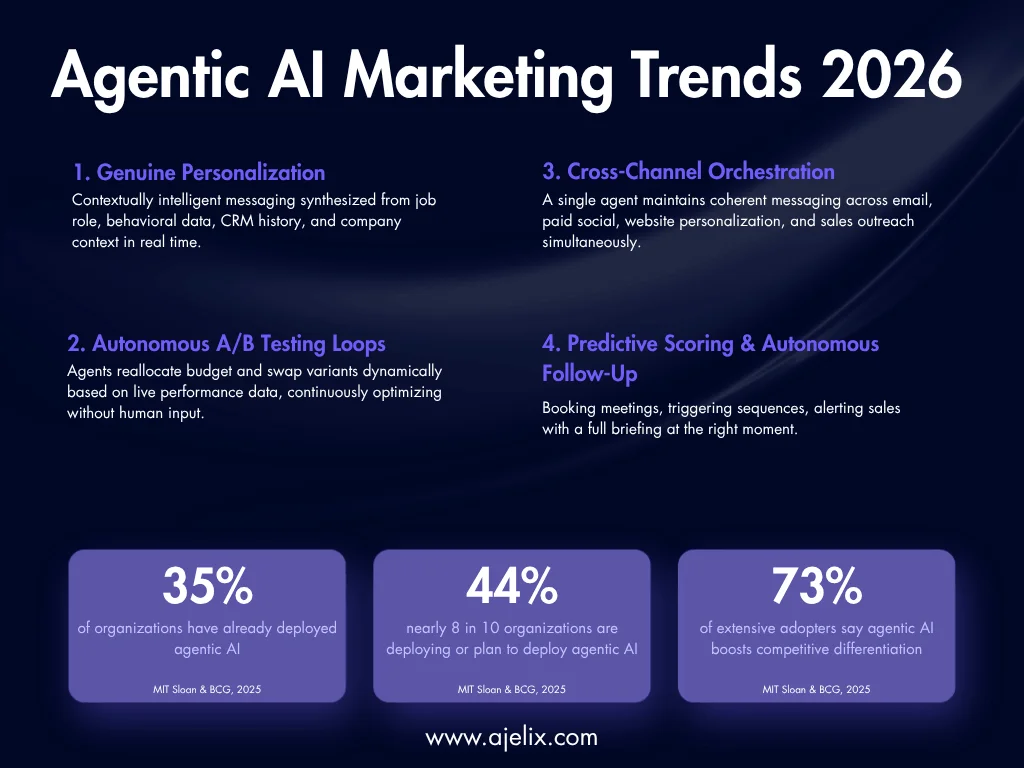
4 Agentic AI Trends in 2026 You Must Know
Ajelix: Autonomous AI is evolving fast across operations, marketing, and beyond, and keeping up is a real challenge for leaders in 2026.

Top 7 Agentic AI trends for 2026
Searchunify: Capgemini says, “By 2028, there is an expected increase in revenue and cost savings up to $450 billion in economic value by AI agents.”

15 AI Agents Trends to Watch in 2026
Analytics Vidhya: The trends suggest that enterprises are shifting from testing AI agents to letting them run entire workflows, execute decisions, and trigger real-world actions in 2026.
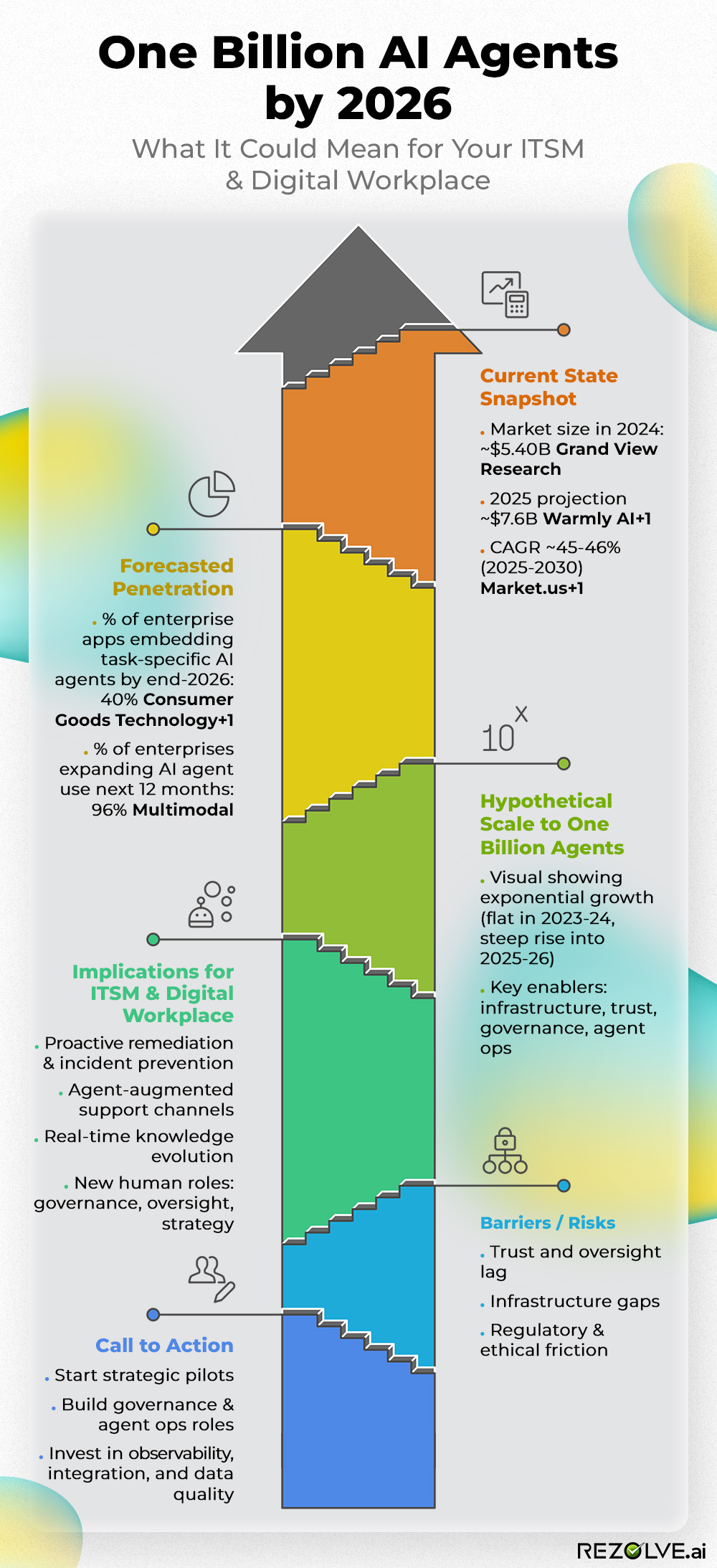
One Billion AI Agents by 2026
Rezolve.ai: More than a billion AI agents will be actively operating, assisting, automating, resolving, monitoring, and learning across multiple domains and industries.
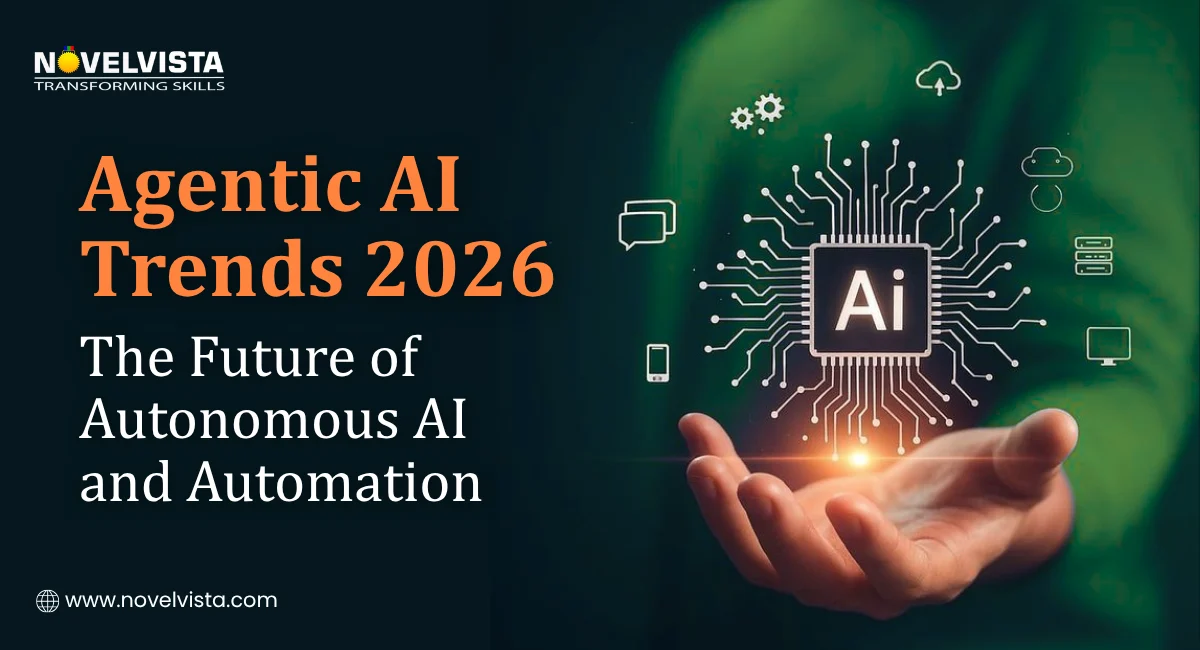
Agentic AI Trends 2026: Future of Autonomous AI
Novelvista: Artificial Intelligence is evolving faster than ever, and 2026 is shaping up to be a turning point.
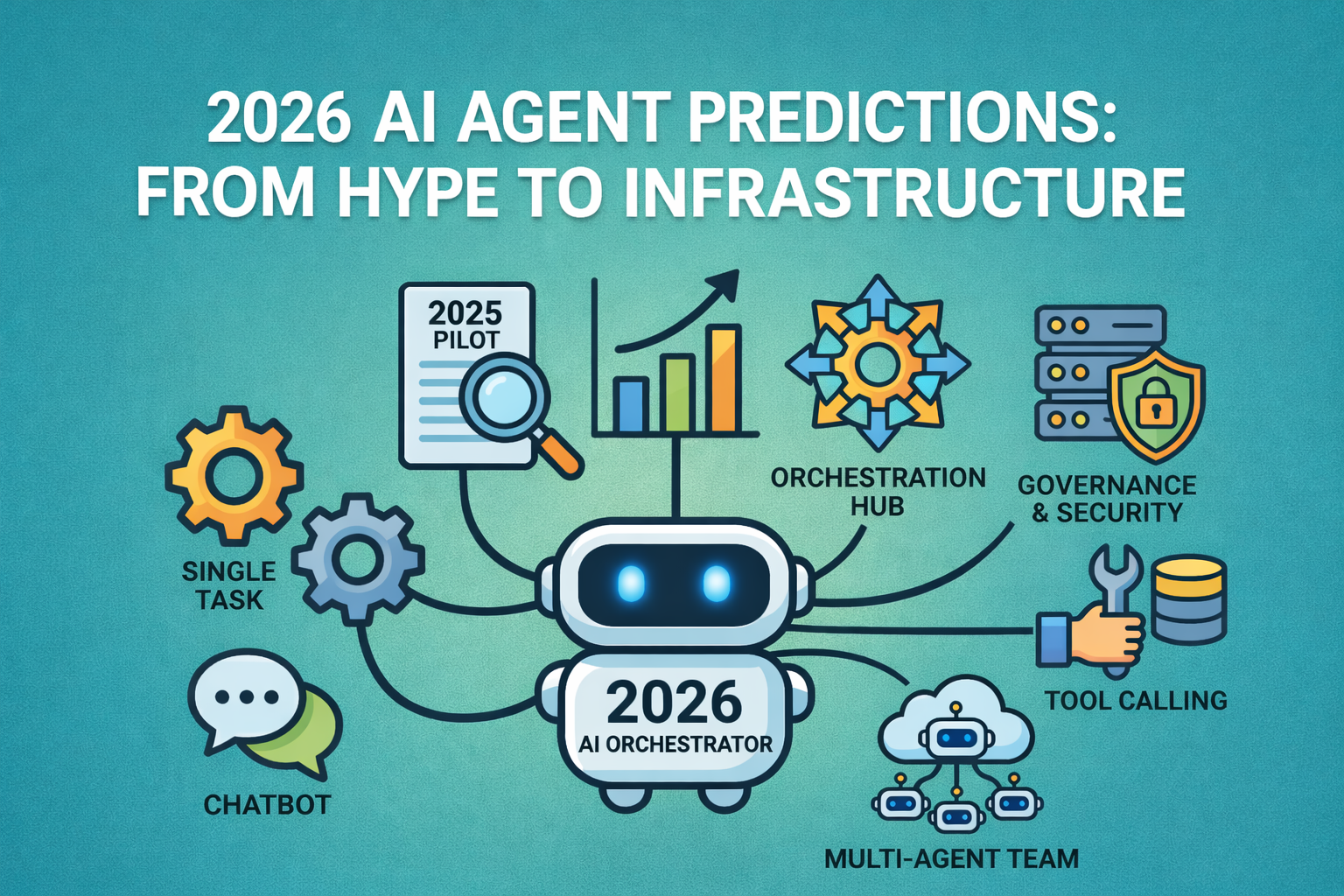
2026 AI Agent Predictions Roundup
Palma.ai: Every major analyst agrees: 2026 is the year AI agents go from experiments to infrastructure.