AI Agents: Revolutionizing Automation with Agentic AI 2026 | Unique Post
AI Agents: Revolutionizing Automation with Agentic AI 2026 | Unique Post
Artificial Intelligence (AI) has been a key player in technological progress, particularly with the emergence of AI agents. These agents are changing various industries by automating intricate tasks, improving user experiences, and fostering innovation. This article examines AI agents, including their definitions, classifications, applications, and future potential.
What Are AI Agents?
An AI agent is essentially a software program that autonomously carries out tasks for a user or another application, utilizing perception, reasoning, and action. These agents are built to function independently, making choices based on established rules or learned experiences. Their ability to act autonomously and make decisions sets them apart from conventional software.
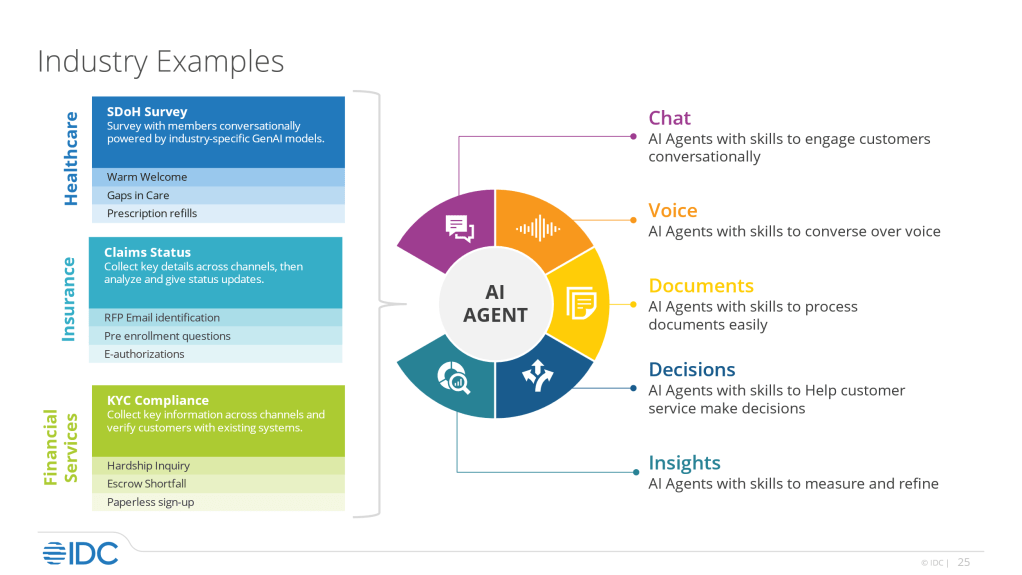
Source: How agentic AI makes decisions
Categories of AI Agents
AI agents can be categorized into several types based on their functions and abilities:
- Reactive Agents: These agents respond to specific environmental stimuli using a set of predefined rules.
- Deliberative Agents: These can reason about their actions with an internal world model.
- Hybrid Agents: Combine reactive and deliberative features.
- Learning Agents: Improve over time using machine learning.
- Collaborative Agents: Work with others to achieve goals.
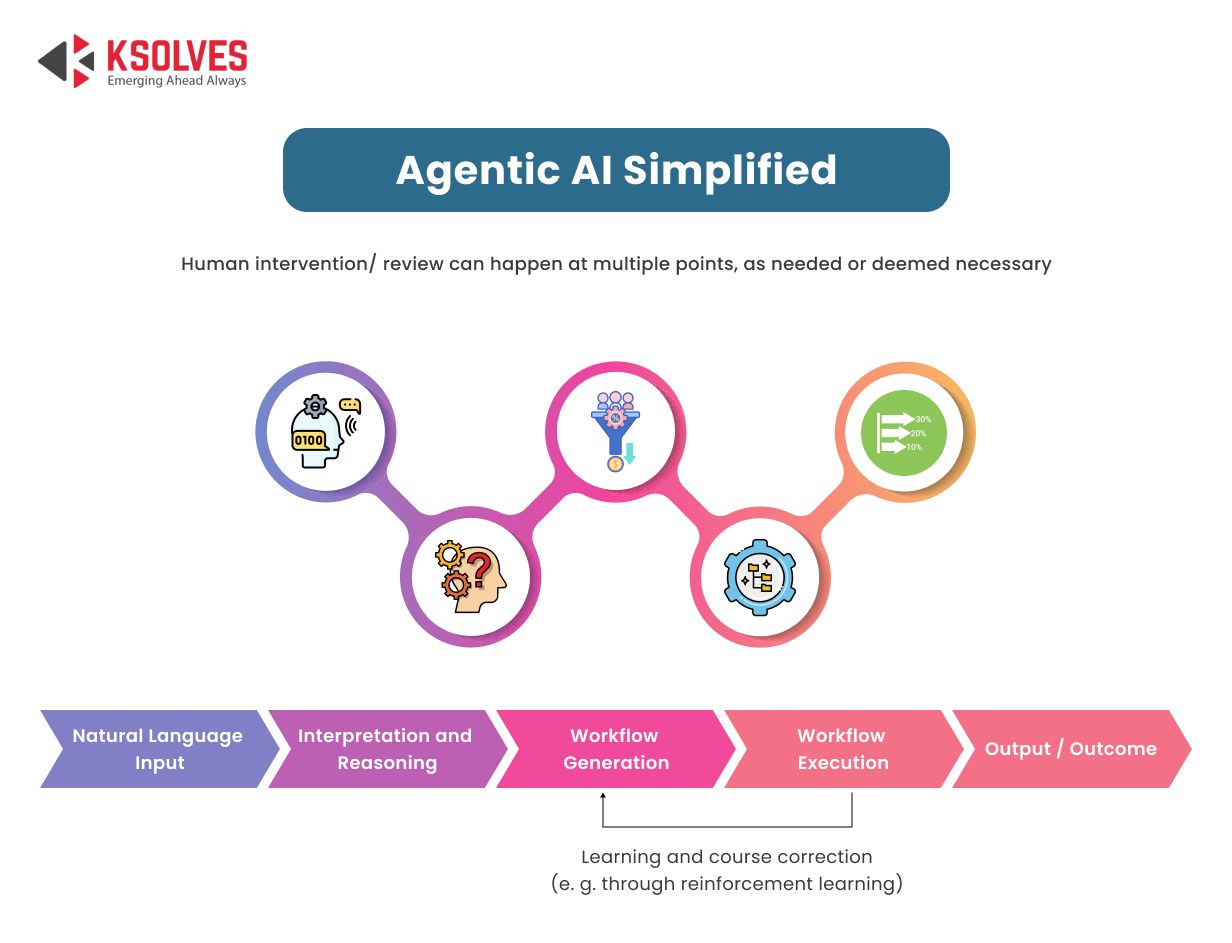
Source: Agentic AI Guide
Uses of AI Agents
AI agents transform industries:
- Customer Service: Chatbots for instant support.
- Healthcare: Patient monitoring and diagnostics.
- Finance: Fraud detection.
- Autonomous Vehicles: Safe navigation.
- Smart Homes: Automation.

Source: AI Agents in 2026
Future Directions for AI Agents
Trends include greater autonomy, IoT integration, personalization, and ethics. Agent technology will drive progress.
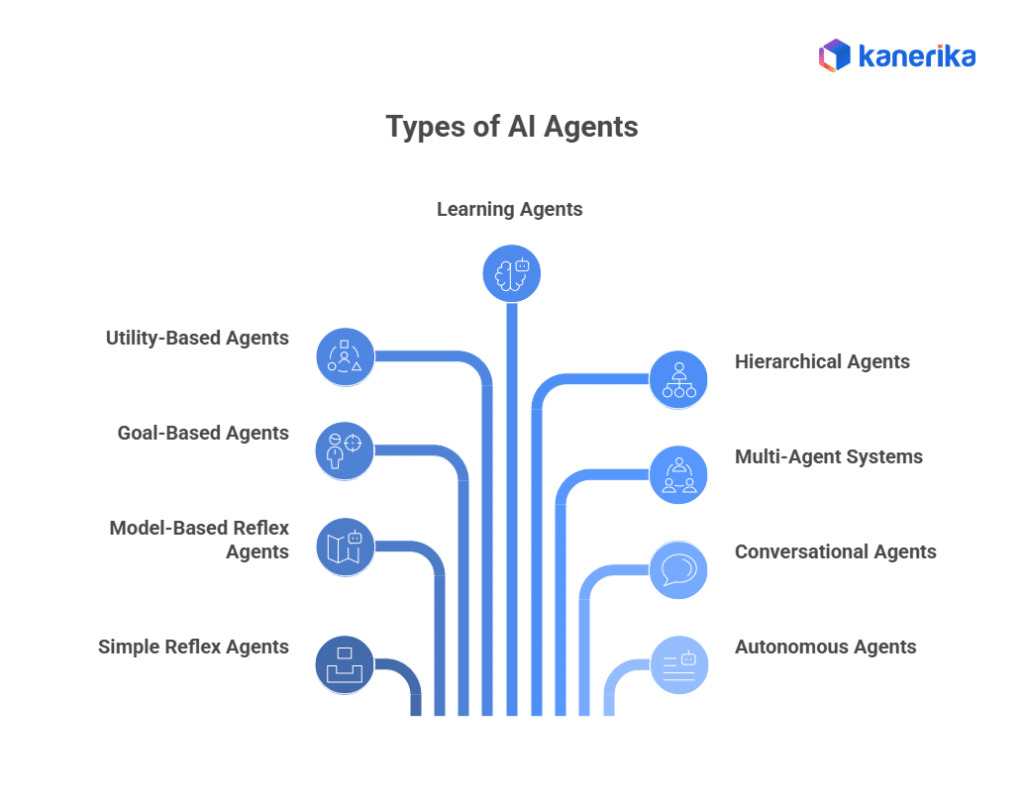
Source: Evolution of AI Agents 2026
In summary, AI agents reshape technology with autonomy and collaboration.