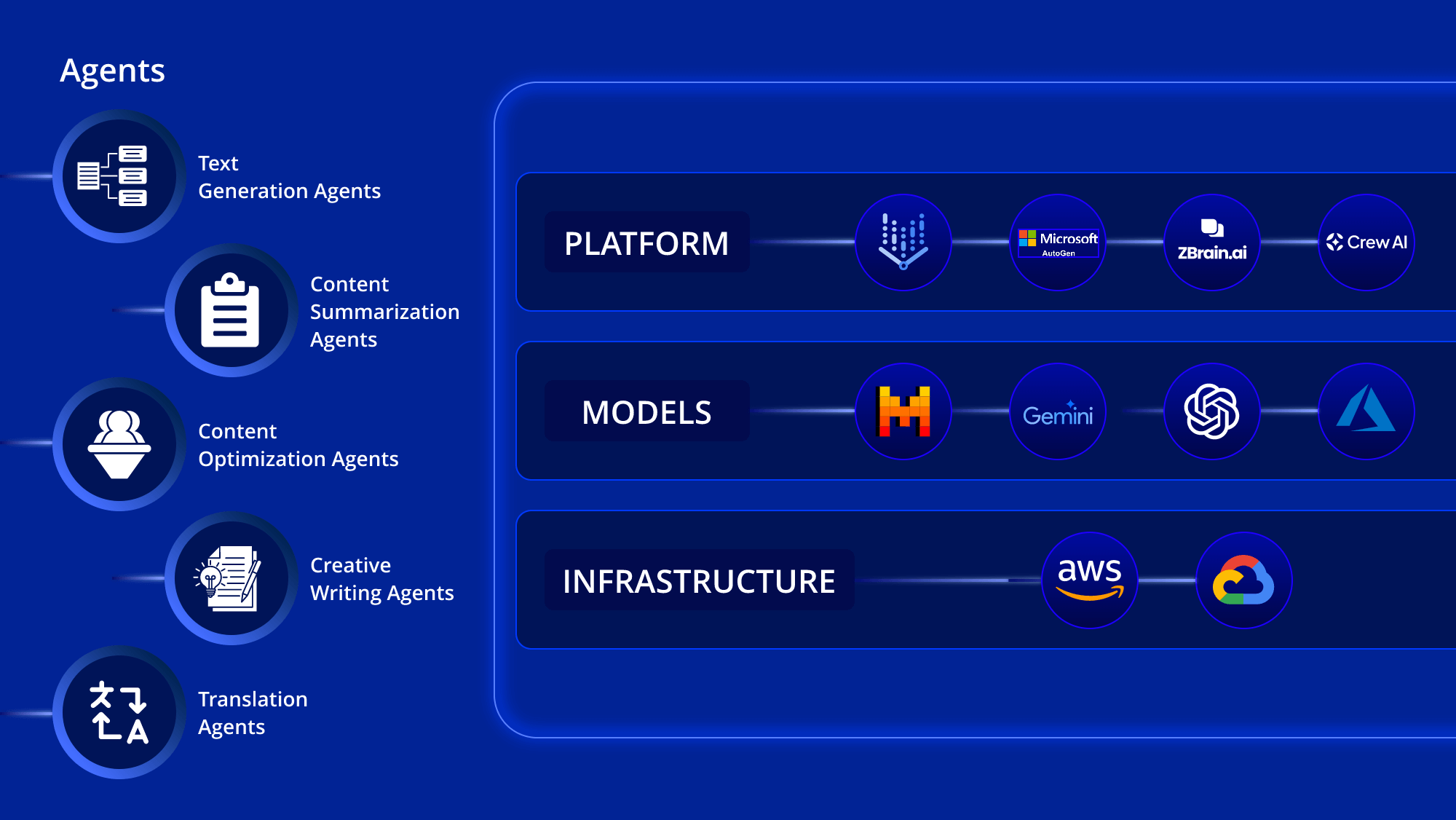
AI Agents: Revolutionizing Automation and Efficiency
AI Agents: Transforming the Future of Automation
In the rapidly evolving landscape of technology, AI agents are emerging as pivotal tools driving intelligent automation across various sectors. These sophisticated entities simulate human-like cognition, perform tasks autonomously, and deliver remarkable efficiency gains.
What Are AI Agents?
AI agents are autonomous software entities powered by machine learning, natural language processing, and data-driven algorithms. They perceive their environment, process information, and act to achieve defined goals without constant human intervention.
Types of AI Agents
- Reactive Agents: Respond directly to environmental stimuli without memory or internal state.
- Model-Based Agents: Maintain an internal representation of the world to inform decisions.
- Goal-Based Agents: Evaluate possible actions to achieve specific objectives.
- Utility-Based Agents: Optimize actions based on a utility function that reflects preferences.
- Learning Agents: Adapt over time by learning from data using techniques like reinforcement learning.
Applications of AI Agents
1. Intelligent Workflow Automation

Source: 12 Best N8n AI Agents To Build AI Workflows (2025) » Empathy First Media
AI agents streamline business processes by integrating with tools like n8n, enabling context-aware workflows and dynamic task management.
2. Enhanced Security and Compliance
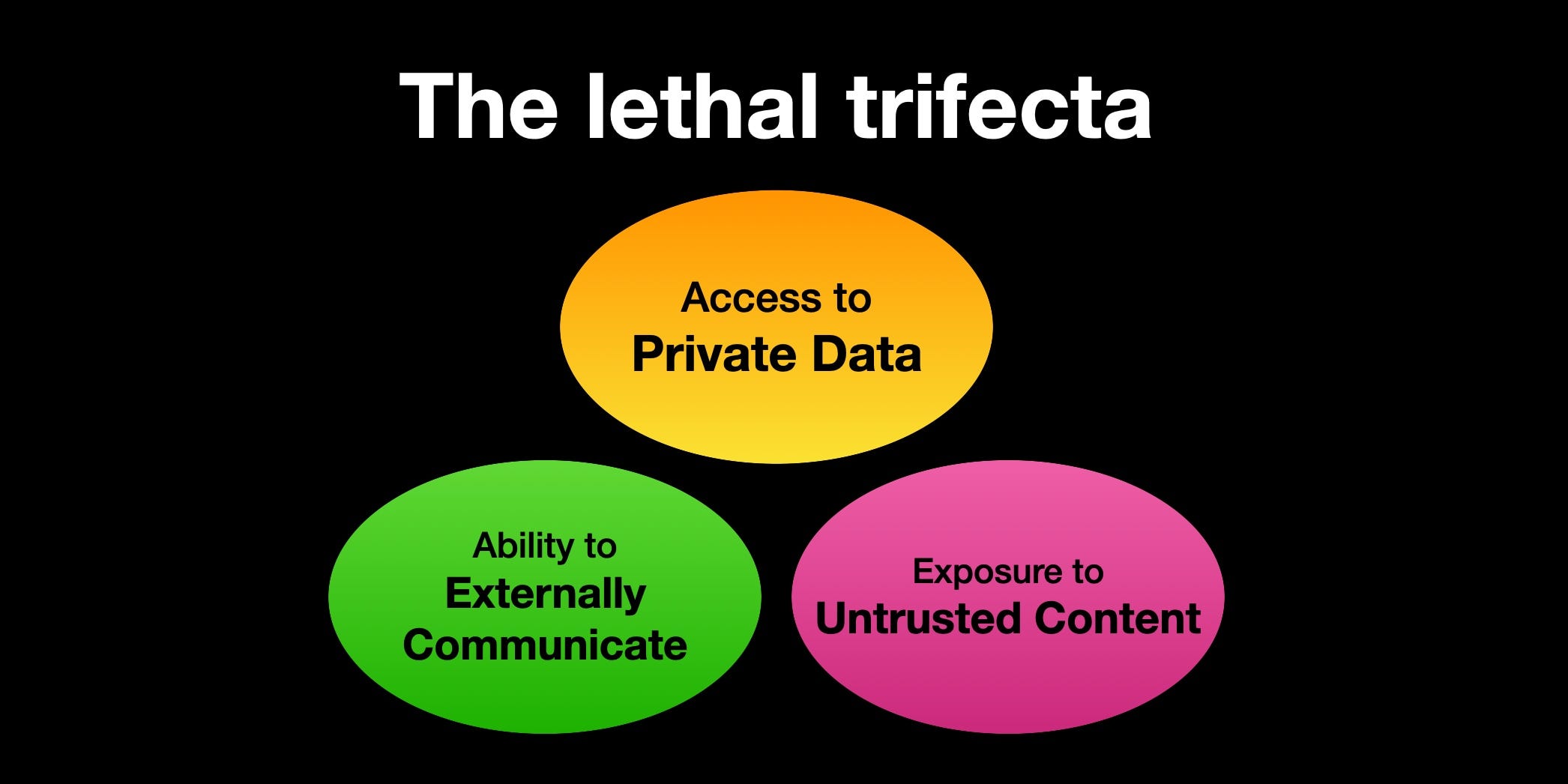
Source: The lethal trifecta for AI agents
Advanced AI agents detect vulnerabilities and enforce policies, protecting systems from malicious prompts and unauthorized data access.
3. Law-Following AI Agents
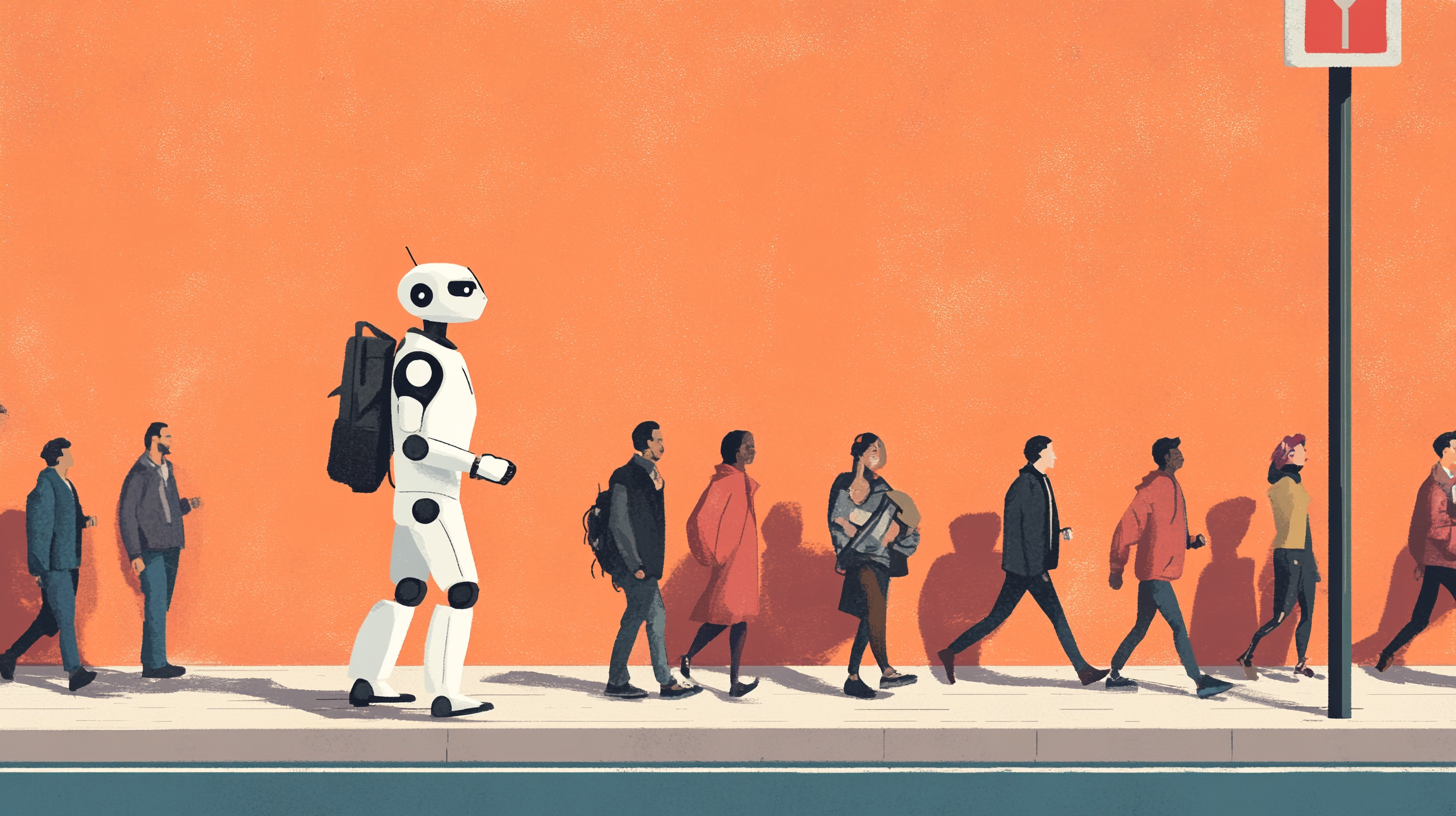
Source: Law-Following AI: designing AI agents to obey human laws
Designing AI agents to comply with legal frameworks ensures responsible automation in high-stakes environments like government and healthcare.
Implications and Future Trends
- Workforce Transformation: Agents augment human roles, reshaping job profiles and emphasizing new skills.
- Ethical AI: Prioritizing data privacy, fairness, and transparency in agent design.
- Scalable Innovation: Leveraging AI agents for rapid prototyping and iterative development.
- IoT Integration: Agents orchestrate edge devices in smart ecosystems.
- Predictive Intelligence: Real-time forecasting and proactive decision-making powered by agents.
Conclusion
As AI agents continue to advance, they will drive efficiency, innovation, and growth across every industry. Embracing agent-driven automation today positions organizations for success in the digital future.