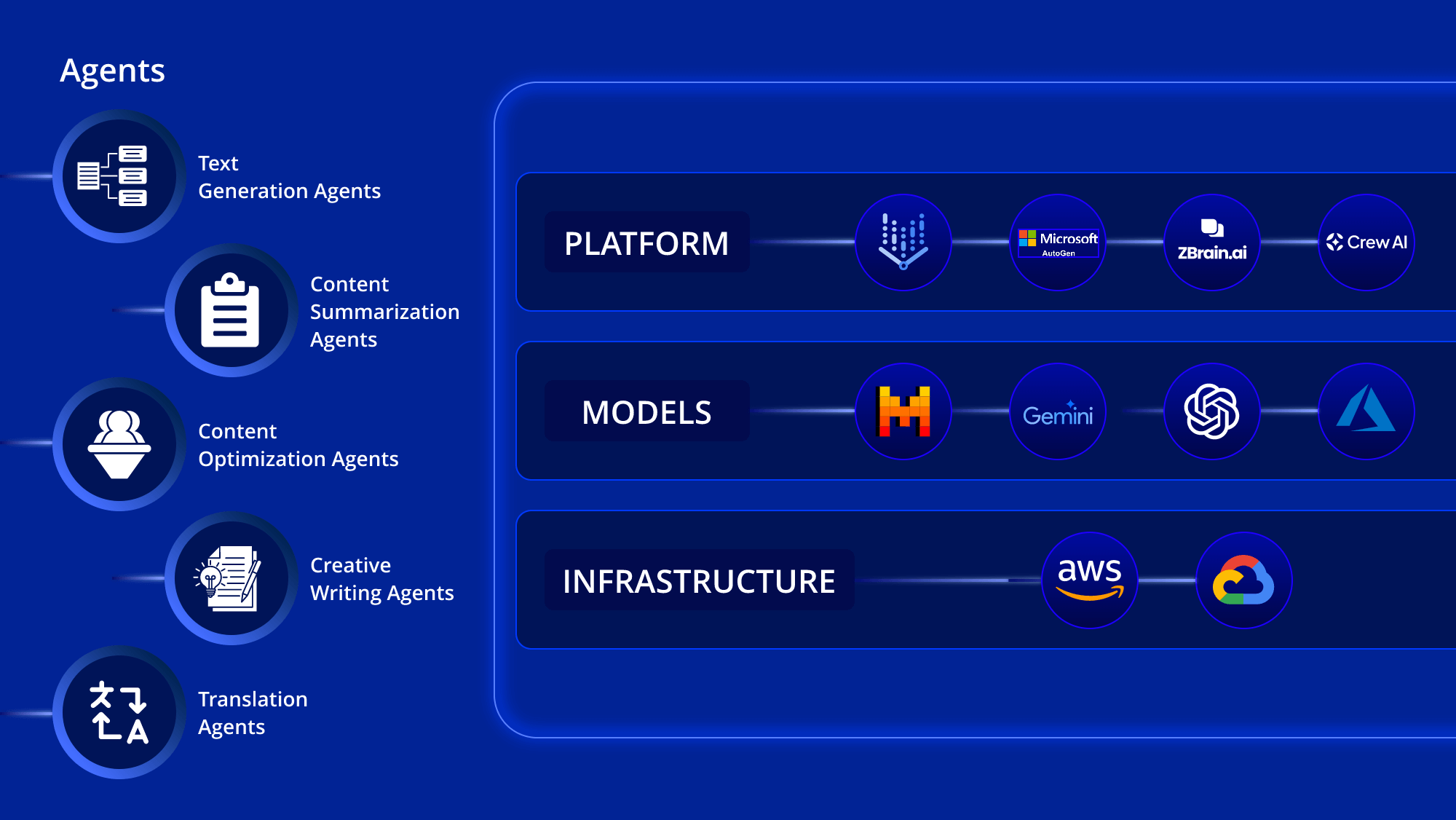
AI Agents, Autonomous Agents, and Agentic AI: The Future of Intelligent Automation
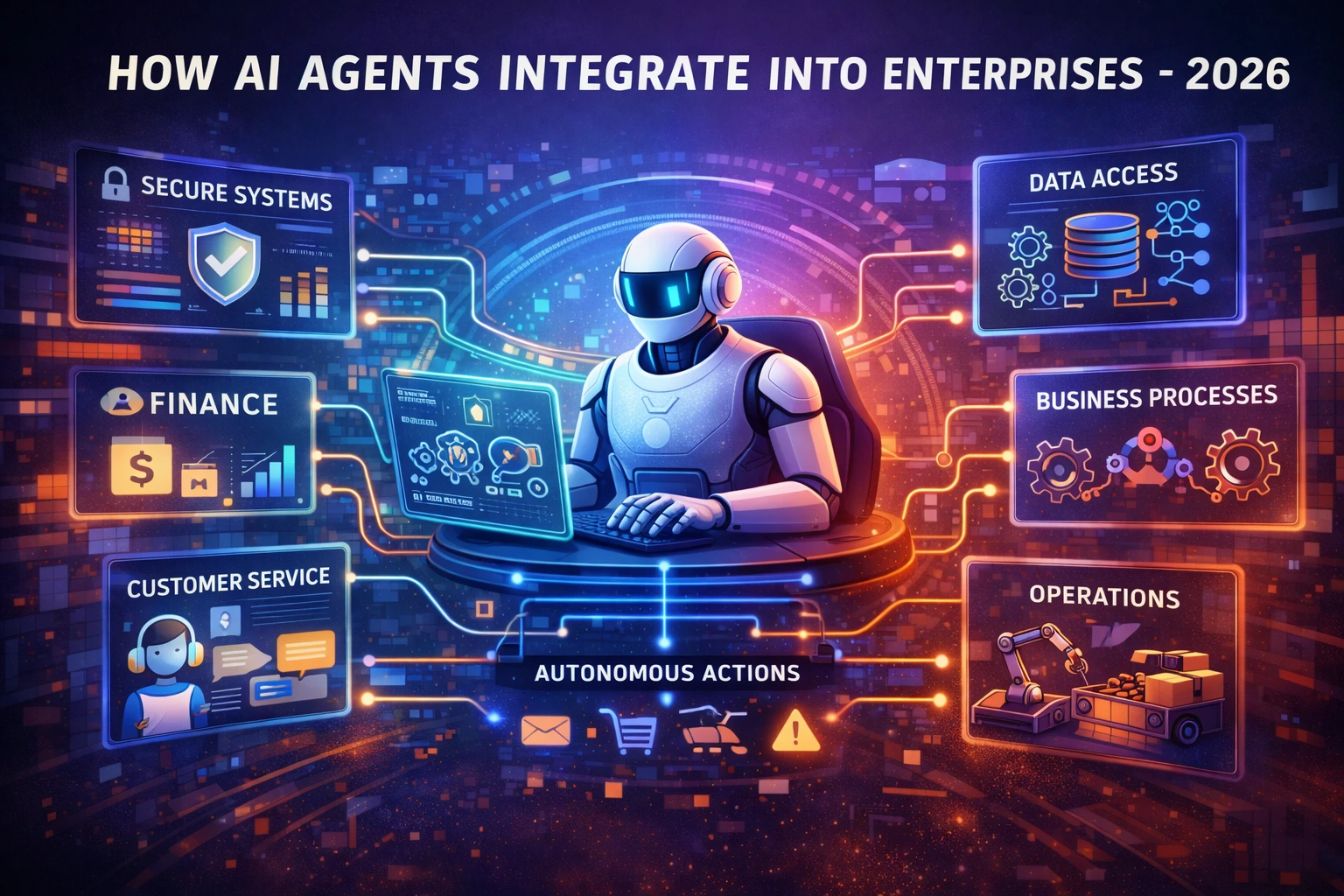
AI Agents, Autonomous Agents, and Agentic AI: The Future of Intelligent Automation
Artificial intelligence is evolving from simple question-answering systems into powerful AI agents capable of reasoning, planning, acting, and improving workflows with minimal human intervention. This shift is often described using terms like AI agents, autonomous agents, and agentic AI. While these concepts are closely related, they are not identical. Understanding them is essential for businesses, developers, and decision-makers who want to use AI for productivity, automation, customer support, software development, data analysis, and enterprise transformation.
What Are AI Agents?
An AI agent is an intelligent system designed to perform tasks on behalf of a user or organization. Unlike traditional software, which follows fixed instructions, AI agents can interpret goals, analyze information, and decide what actions to take.
AI agents usually include several core components: Perception (gathering information), Reasoning (analyzing info), Planning (breaking down goals), Action (performing tasks), Memory (remembering history), and Feedback (improving over time).
What Is an Autonomous Agent?
An autonomous agent is an AI system that can perform tasks independently once it receives an objective. Instead of requiring step-by-step instructions, an autonomous agent can decide how to complete the goal on its own.
What Is Agentic AI?
Agentic AI is a broader term that describes AI systems designed to behave like agents. These systems do not simply generate text or classify data. They can actively pursue goals, use tools, plan multi-step tasks, and interact with digital environments.
Key Benefits of AI Agents
- Increased Productivity: Automate repetitive tasks like data entry and scheduling.
- Faster Decision-Making: Collect and analyze information quickly.
- 24/7 Availability: Operate continuously without breaks.
Common Use Cases
AI agents are being used for Customer Support, Sales and Marketing (lead qualification), Software Development (coding assistants), and Finance (fraud detection).
Sources & Further Reading
AI Agent Trends 2026 - The Wursta Corporation
The era of simple prompts is over. We’re witnessing the Agent Leap—where AI orchestrates complex, end-to-end workflows semi-autonomously.
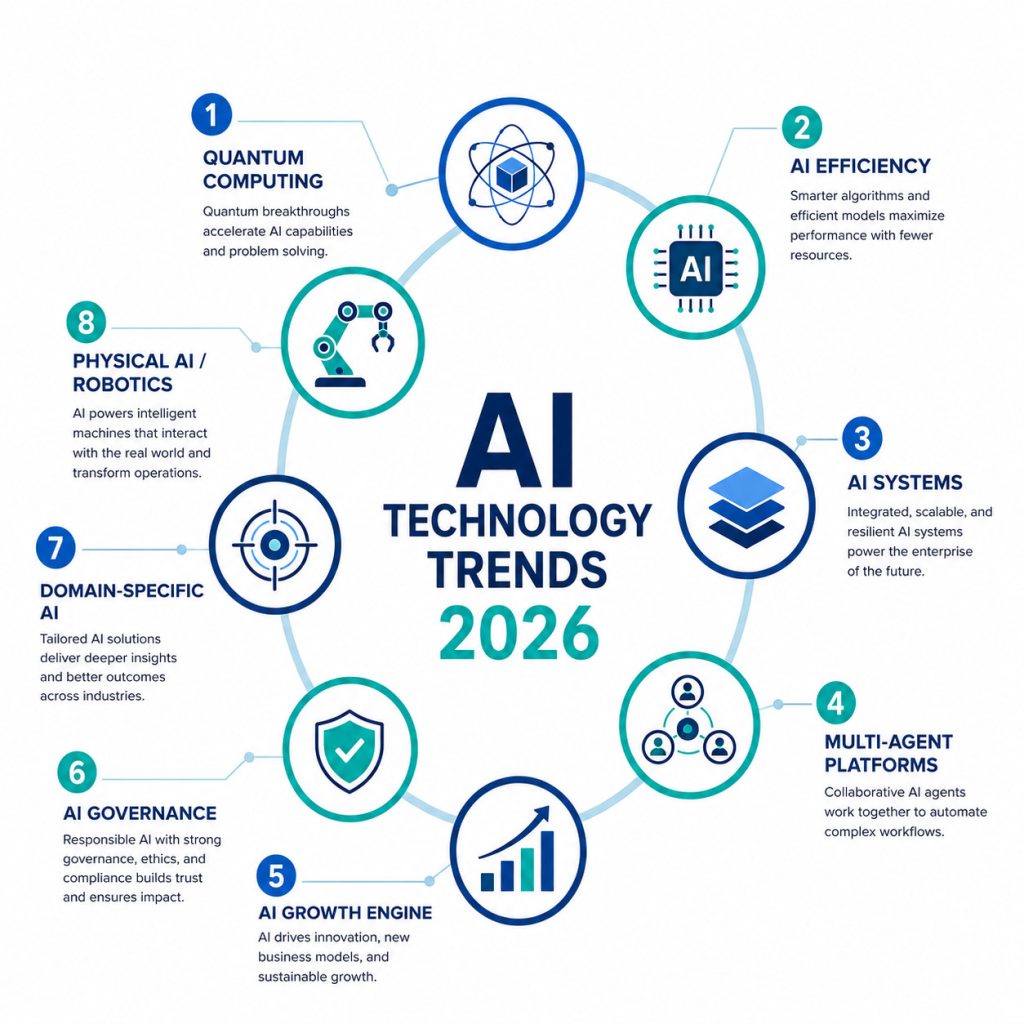
AI Technology Trends 2026: Strategic Roadmap | Prolifics
The AI technology trends shaping 2026 are no longer future projections they are strategic realities. Includes quantum computing and multi-agent platforms.

The 8 AI Agent Trends For 2026 Everyone Must Be Ready For
Agents represent the next generational leap forward for AI, capable of taking action and working towards long-term goals.
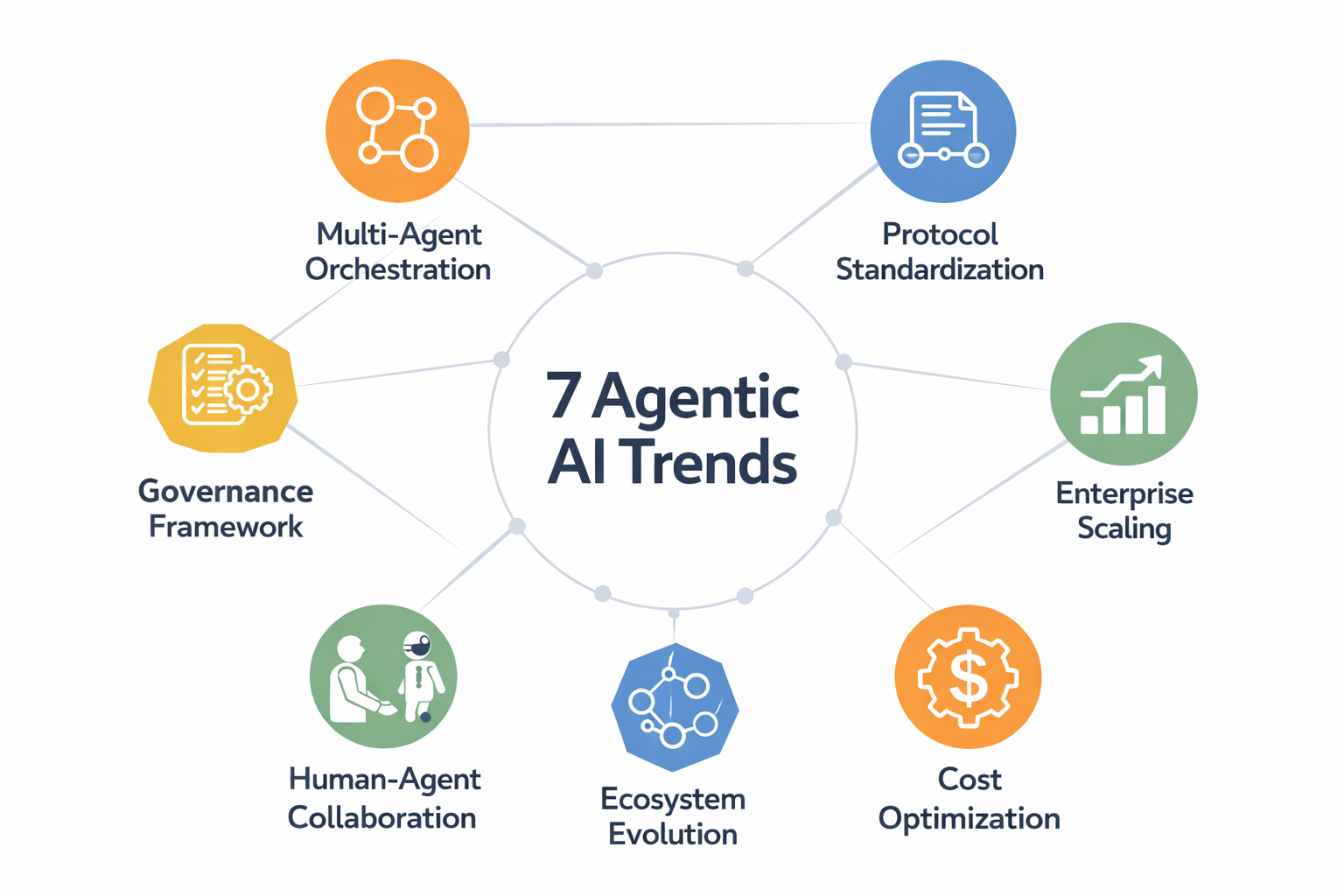
7 Agentic AI Trends to Watch in 2026
The agentic AI field is moving from experimental prototypes to production-ready autonomous systems. Market projected to surge to $52 billion by 2030.
15 AI Agents Trends to Watch in 2026
Enterprises are shifting from testing AI agents to letting them run entire workflows and trigger real-world actions.