AI Agents 2026: Revolutionizing Automation with Agentic AI
The Emergence of AI Agents: Transforming Industries and Shaping the Future
AI agents are making significant changes across various industries by automating tasks, enhancing decision-making, and boosting efficiency. These systems are capable of sensing their surroundings, processing information, and acting independently. As we advance into a more digital era, it is essential to comprehend the different types of AI agents and their uses.
Types of AI Agents
- Agentic AI: These intelligent entities operate autonomously, making decisions based on data and past experiences. They can perform designated tasks without human assistance, and their skills can improve with more data exposure.
- Autonomous Agents: These agents function independently to carry out tasks like data analysis, automation, and decision support, which are vital in fields requiring constant operation and real-time decisions.
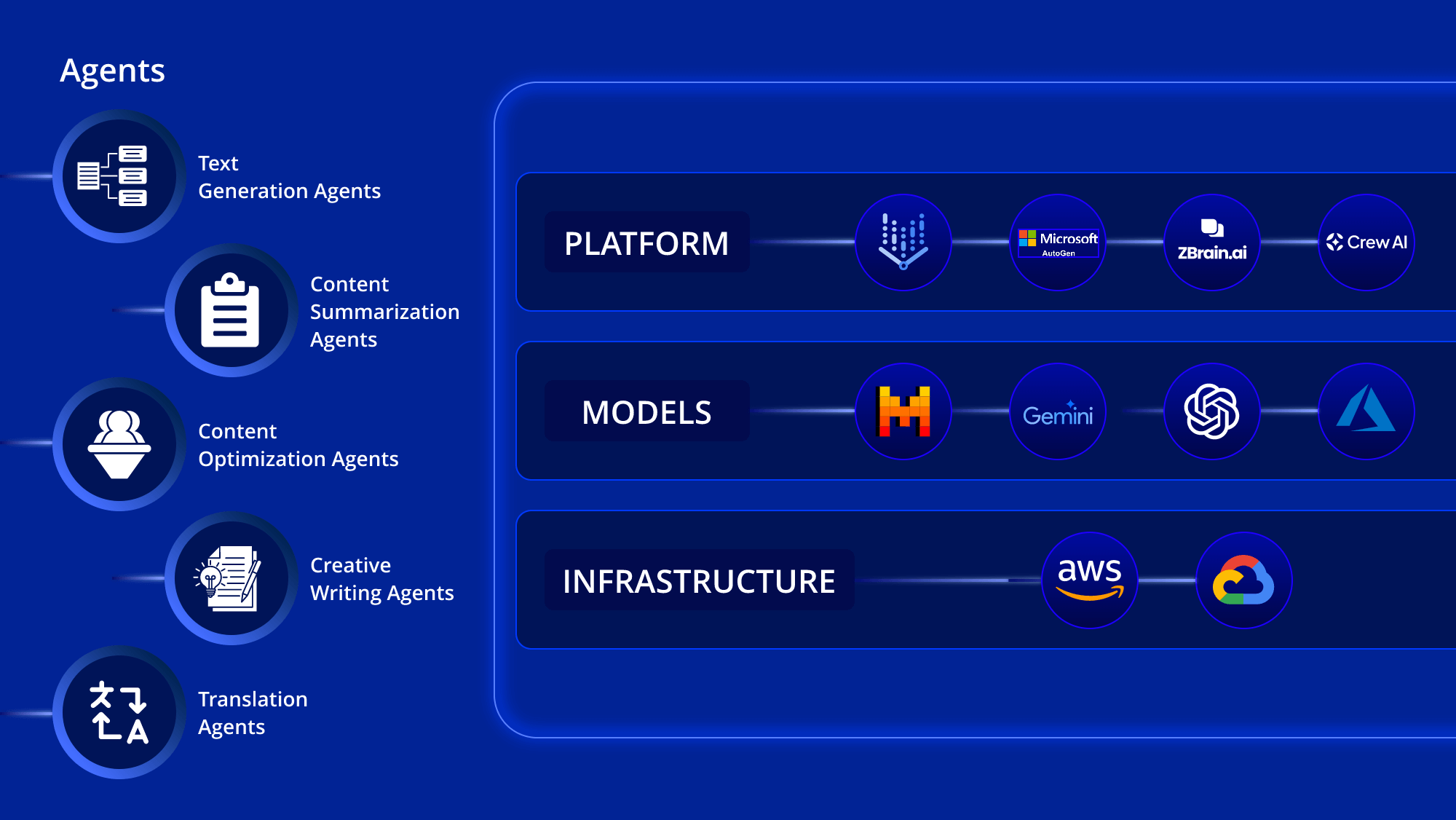
- Multi-Agent Systems: This involves several AI agents collaborating to address complex issues. Each agent focuses on a specific task, collectively providing a thorough solution. Multi-agent systems are commonly used in logistics and supply chain management.
- Reactive Agents: These agents react to environmental changes based on established rules. They are critical for systems needing immediate responses, such as emergency services.
- Deliberative Agents: These agents take a more thoughtful approach to decision-making, using planning and reasoning. They are ideal for scenarios that require intricate decision-making, such as strategic planning.
- Learning Agents: These AI systems enhance their performance over time by learning from experiences. They use machine learning techniques to adapt and refine their actions, making them essential in ever-changing environments.
- Collaborative Agents: These agents are designed to work alongside humans or other AI systems, exchanging information and tasks to achieve shared objectives. They are particularly effective in team-oriented settings.
AI Agents in Healthcare
The healthcare sector is experiencing a significant transformation with the adoption of AI agents. These systems assist in patient monitoring, diagnostic support, and personalized medicine. AI agents can analyze extensive medical data to uncover patterns and forecast patient outcomes, allowing for timely interventions and improved healthcare services. By 2026, AI agents are anticipated to be pivotal in telemedicine, automated diagnostics, and tailored treatment plans, enhancing patient care and operational efficiency.
AI Agents in Finance
In the financial sector, AI agents are utilized for risk assessment, fraud detection, algorithmic trading, and automating customer service. They analyze large datasets to identify trends, evaluate risks, and make instantaneous trading decisions. AI agents also improve customer experiences through personalized financial guidance and efficient services. As financial markets evolve, AI agents will become increasingly essential, fostering innovation and efficiency.
AI Agents in Workflow Automation
AI agents enhance workflow automation by streamlining routine tasks, minimizing human error, and boosting productivity. They are employed across various industries to manage supply chains, optimize resource allocation, and automate administrative functions. By 2026, AI agents are expected to further increase workplace efficiency, allowing businesses to focus on strategic goals and innovation.
Future Trends and Developments by 2026
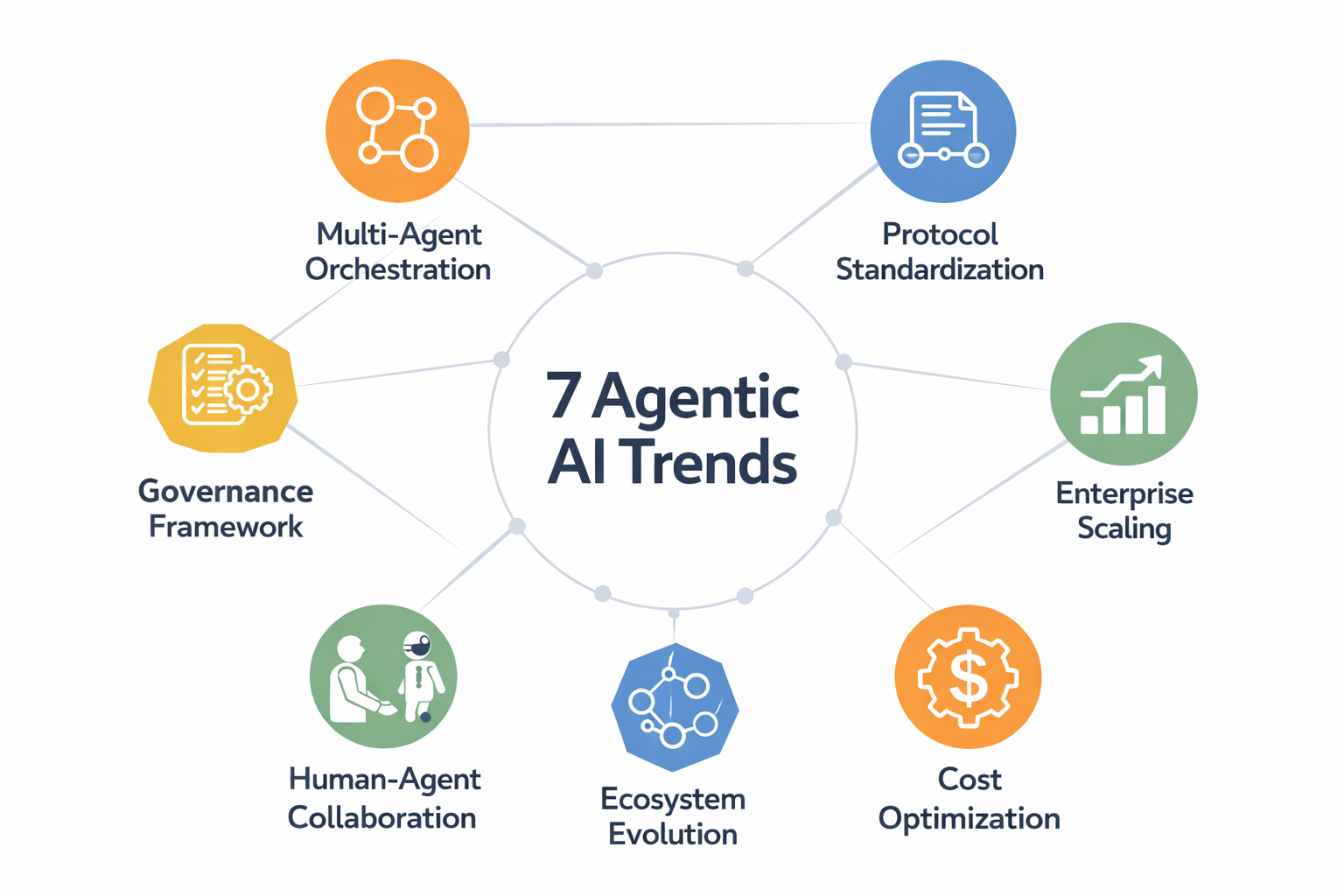
The field of AI agents is on the brink of substantial advancements by 2026, driven by technological progress and growing adoption across industries. Key trends include:
- Enhanced Collaboration: AI agents will increasingly work together with humans and other agents, fostering a more integrated and efficient work environment.
- Increased Autonomy: As technology evolves, AI agents will gain more independence, reducing the necessity for human oversight and enabling them to tackle more complex tasks.
- Ethical AI: With rising concerns about AI ethics, future agents will be designed to promote transparency, fairness, and accountability in their decision-making processes.
- Personalization: AI agents will provide more tailored interactions and services, improving user experiences and catering to individual needs.
- Scalability: The capacity of AI agents to scale across diverse industries and applications will be vital for widespread adoption and integration.
In summary, AI agents are poised to transform various sectors by 2026, enhancing efficiency, innovation, and productivity in healthcare, finance, and more. As technology continues to progress, these intelligent systems will play a crucial role in our daily lives, influencing the future of work and society. Staying updated on these developments and understanding their implications will be essential for both businesses and individuals.
Source: Machine Learning Mastery - 7 Agentic AI Trends to Watch in 2026
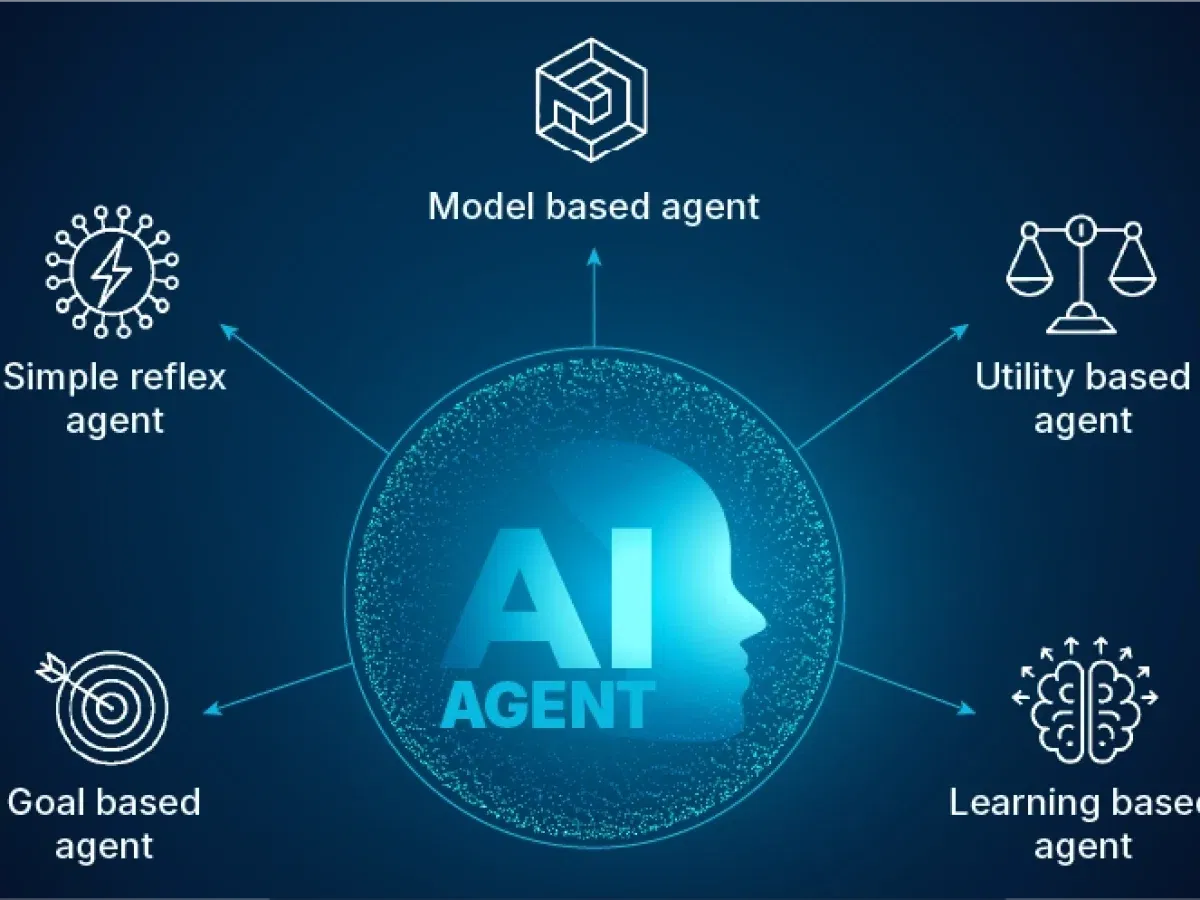
Source: Softweb Solutions - What are AI Agents
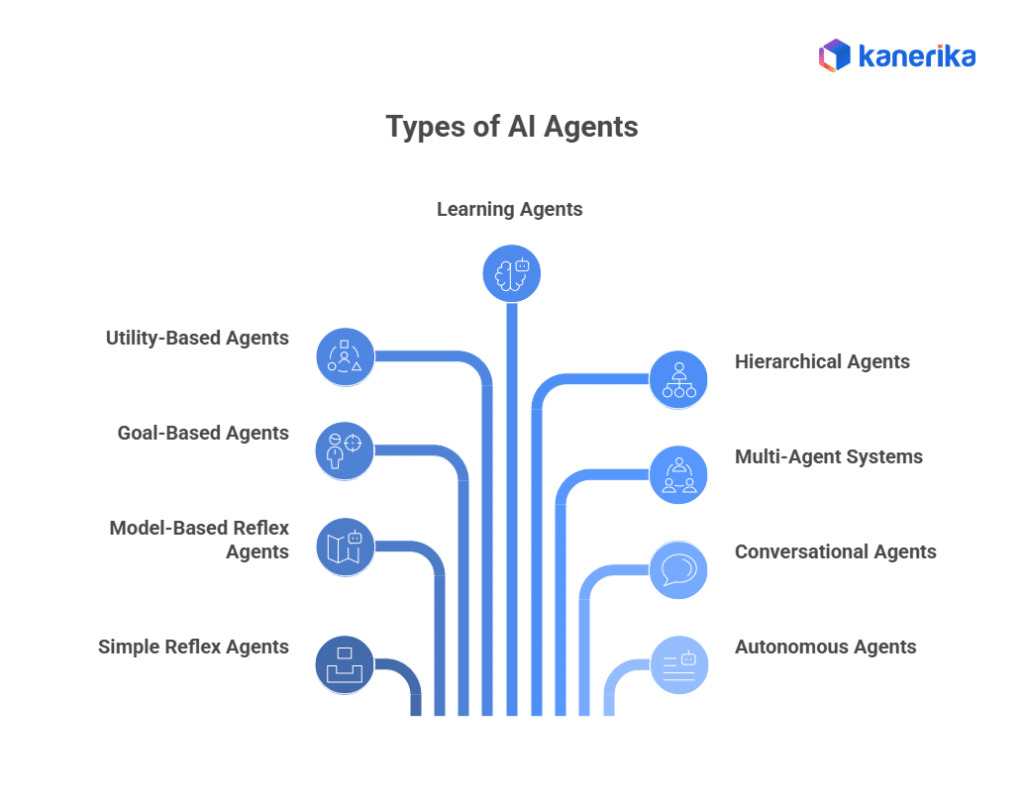
Source: Kanerika - Evolution of AI Agents 2026
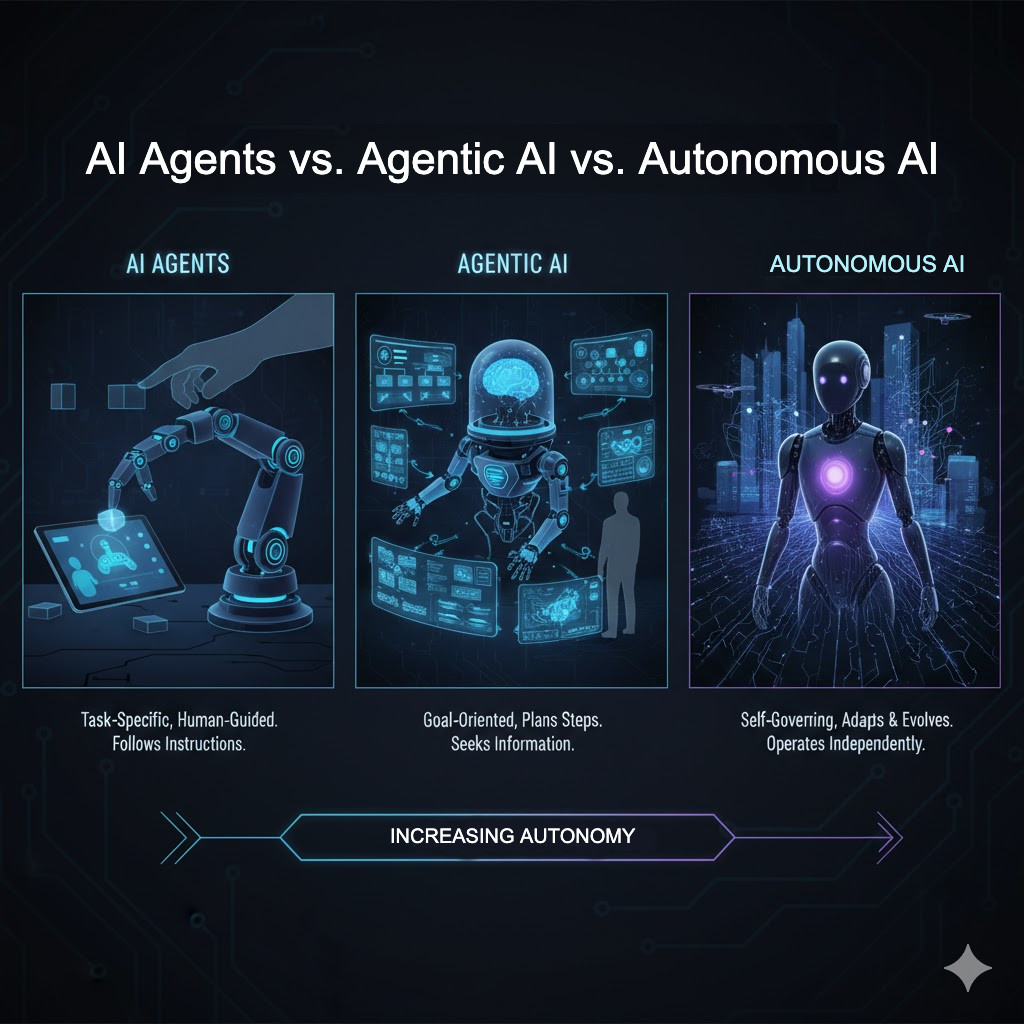
Source: TestRigor - Agentic AI vs. AI Agents vs. Autonomous AI