AI Agents 2026-04-06: The Future of Intelligent Agents and Agentic AI
### The Growth of AI Agents: Transforming the Future of Automation Artificial Intelligence (AI) has rapidly progressed, changing our interactions with technology. One of its most exciting developments is AI agents—intelligent systems that can perform tasks on their own. These agents are leading the way in technological advancements, with the potential to transform industries, boost productivity, and streamline processes. #### What are AI Agents? AI agents are software applications that use artificial intelligence to carry out tasks, make decisions, and solve problems independently. They can analyze large amounts of data, learn from their experiences, and adapt to new information, making them highly versatile. AI agents can be categorized into different types based on their functions and abilities: 1. **Reactive Agents**: These agents follow pre-set rules and respond to specific inputs without remembering past interactions. They are suited for simple tasks that require quick responses, like adjusting a thermostat. 2. **Deliberative Agents**: With advanced decision-making skills, deliberative agents can plan and reason about their actions. They assess their surroundings and utilize stored information to make informed choices, similar to virtual assistants like Siri or Alexa. 3. **Hybrid Agents**: Merging features of both reactive and deliberative agents, hybrid agents are adaptable and capable of managing complex tasks that need both immediate responses and long-term planning. 4. **Learning Agents**: These agents enhance their performance over time by learning from their experiences. They use machine learning techniques to adapt and improve their decision-making abilities. #### Uses of AI Agents AI agents are versatile and can be applied in many industries. Some key applications include: - **Customer Service**: AI agents, often as chatbots, provide 24/7 customer support, addressing inquiries, resolving issues, and guiding users without human help. - **Healthcare**: In the medical field, AI agents aid in diagnosing illnesses, managing patient information, and recommending treatment options. They can analyze medical records and offer doctors insights for better decisions. - **Finance**: In finance, AI agents assist with fraud detection, risk assessment, and algorithmic trading. They can process financial data quickly, spotting patterns and anomalies that humans might miss. - **Manufacturing**: In manufacturing, AI agents optimize production processes, predict equipment failures, and maintain quality control. They improve efficiency and minimize downtime by automating routine tasks and monitoring systems in real-time. - **Transportation**: Self-driving vehicles and autonomous drones exemplify AI agents in transportation. They navigate their environments, avoid obstacles, and transport goods or passengers safely and efficiently. #### Advantages of AI Agents Integrating AI agents into various fields brings many benefits: 1. **Enhanced Efficiency**: AI agents handle repetitive and mundane tasks accurately, allowing human workers to focus on more creative and complex responsibilities. 2. **Cost Reduction**: Automating tasks can help businesses lower operational costs related to human labor, errors, and inefficiencies. 3. **Scalability**: AI agents can manage increasing workloads without sacrificing performance, making them ideal for businesses looking to grow. 4. **Continuous Availability**: Unlike human workers, AI agents can operate continuously without breaks, providing around-the-clock services and support. 5. **Improved Decision-Making**: With access to extensive data and the ability to analyze it in real-time, AI agents offer valuable insights that enhance decision-making. #### Challenges and Considerations Despite their advantages, implementing AI agents comes with challenges that need to be addressed: - **Ethical Issues**: The use of AI agents raises ethical concerns regarding privacy, data security, and potential biases in decision-making algorithms. - **Job Loss**: The automation brought by AI agents may lead to job losses, necessitating strategies for retraining and upskilling the workforce. - **Technology Dependence**: Over-reliance on AI agents could create vulnerabilities in case of system failures or cyber-attacks. - **Regulatory Compliance**: Ensuring adherence to regulations and standards is essential to avoid legal and financial consequences. #### The Future of AI Agents The future of AI agents looks bright, with ongoing technological advancements expected to expand their capabilities and applications. As AI agents become more advanced, they will increasingly influence the future of automation and human-machine collaboration. 1. **Integration with IoT**: AI agents will increasingly connect with the Internet of Things (IoT), creating interconnected systems where devices communicate and collaborate to optimize operations. 2. **Improvements in Natural Language Processing (NLP)**: Advances in NLP will enhance AI agents' ability to understand and respond to human language, making interactions more intuitive and human-like. 3. **Collaborative AI**: Future AI agents will work alongside humans in collaborative settings, enhancing human capabilities and enabling new forms of teamwork. 4. **AI in Education**: AI agents will transform education by offering personalized learning experiences, identifying student strengths and weaknesses, and providing tailored educational content. 5. **Sustainable Development**: AI agents will aid sustainable development by optimizing resource use, minimizing waste, and supporting environmental conservation efforts. #### Conclusion AI agents are leading the charge in the AI revolution, offering transformative potential across various sectors. While challenges exist, the benefits of AI agents in improving efficiency, reducing costs, and enhancing decision-making are clear. As technology continues to evolve, AI agents will be vital in creating a future where humans and machines collaborate seamlessly to tackle complex challenges and drive innovation. Embracing this technology responsibly and ethically will be crucial to unlocking its full potential and ensuring a positive impact on society.
Sources from Perplexity
The 2026 AI Agent Guide - In year 2026, the field of Artificial Intelligence is undergoing a massive shift from simple “Chatbots” to powerful “AI Agents.”
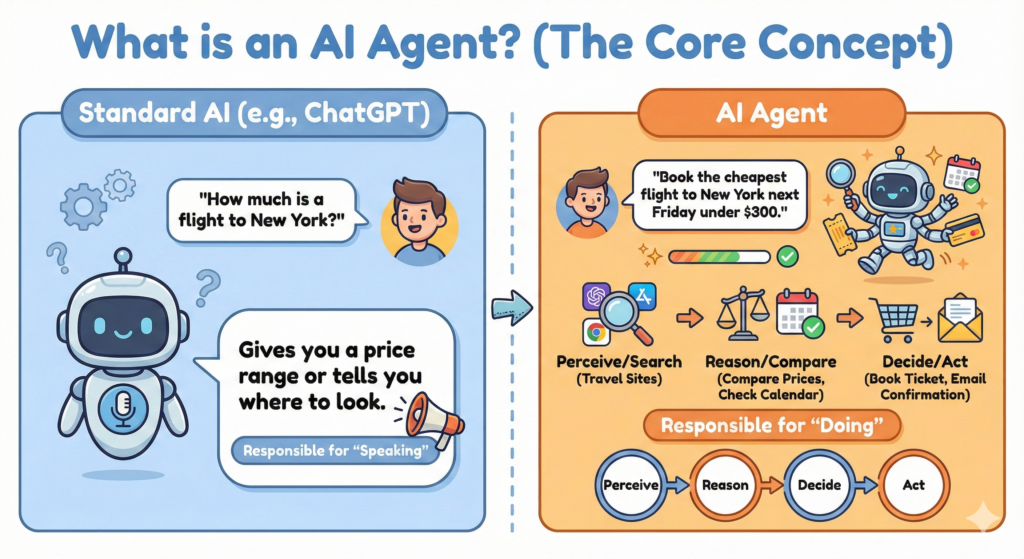
What Are AI Agents and How to Build Them [2026] - AI agents are not chatbots. They are systems that can interpret a goal, understand their environment, make decisions, and take action without being told every step.

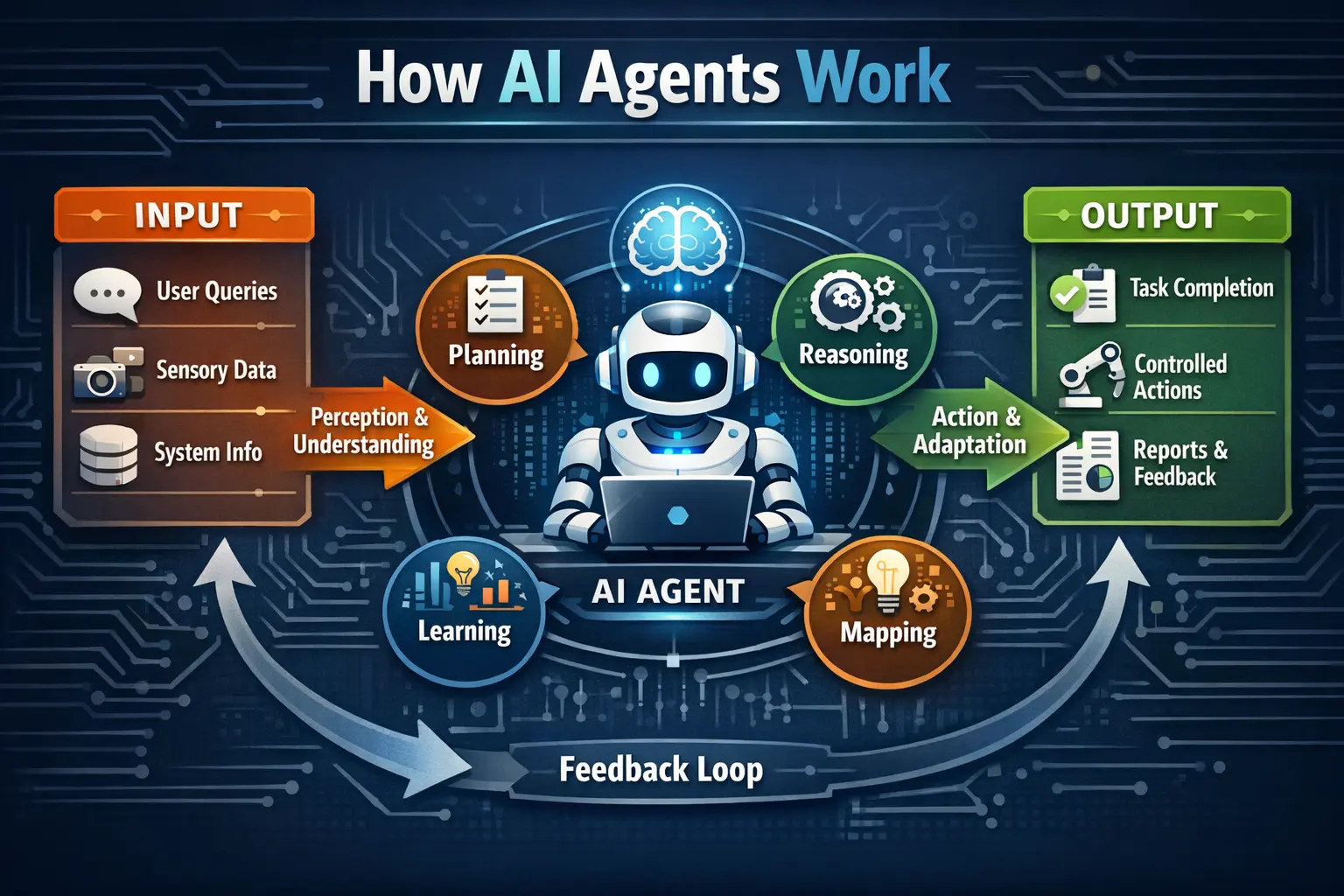
AI Agents in 2026: What They Are, How They Work, and Why They Matter - AI is no longer just answering questions. Now it can plan, decide, use tools, browse data, execute tasks.
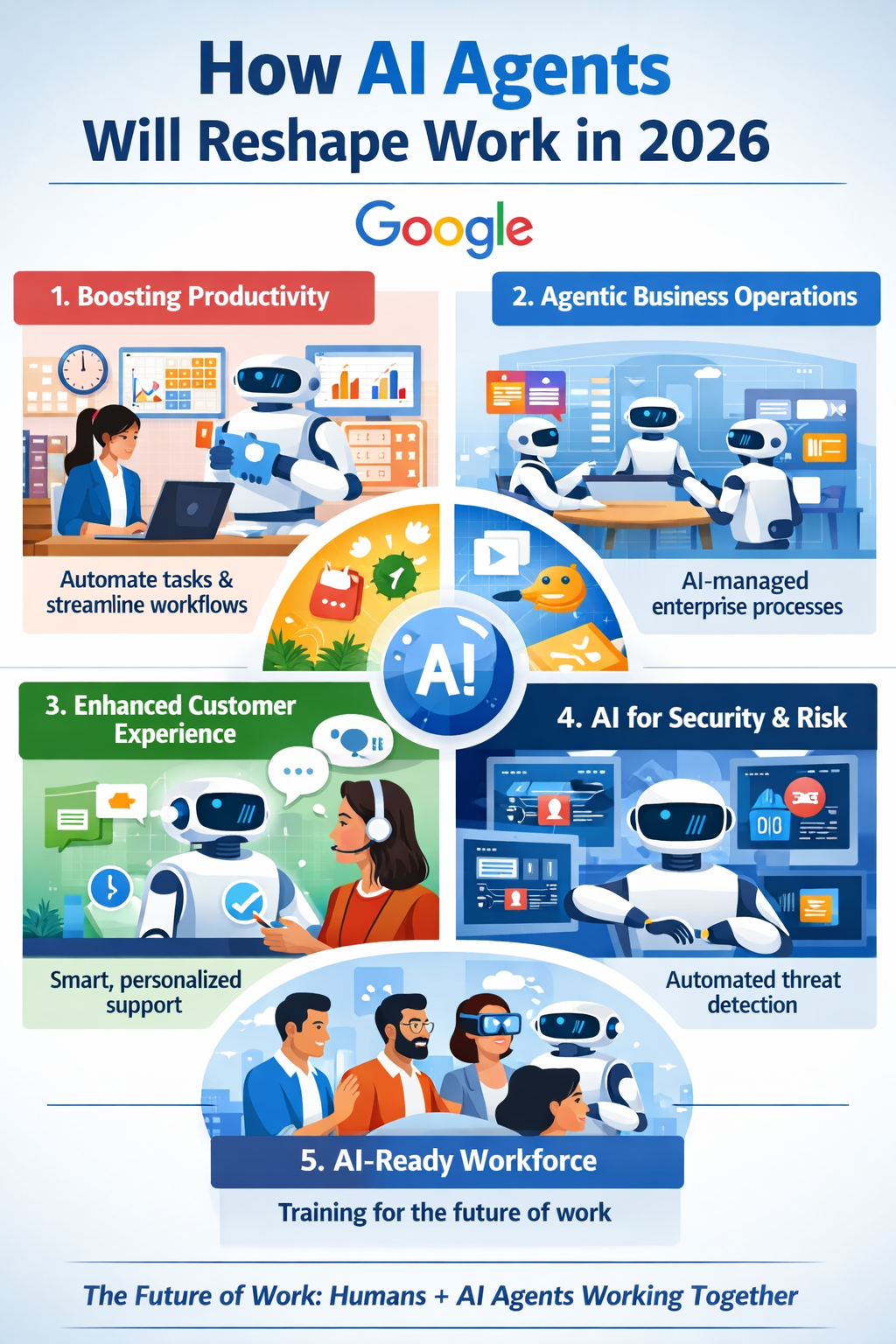
How AI Agents Will Reshape Work in 2026: Google’s Vision - AI agents — autonomous, goal-oriented AI systems capable of executing tasks beyond simple prompting.

How AI Agents Actually Work: The Complete Technical Guide - Every explainer on the internet says AI agents “perceive, plan, and act.” This guide covers the real architecture.