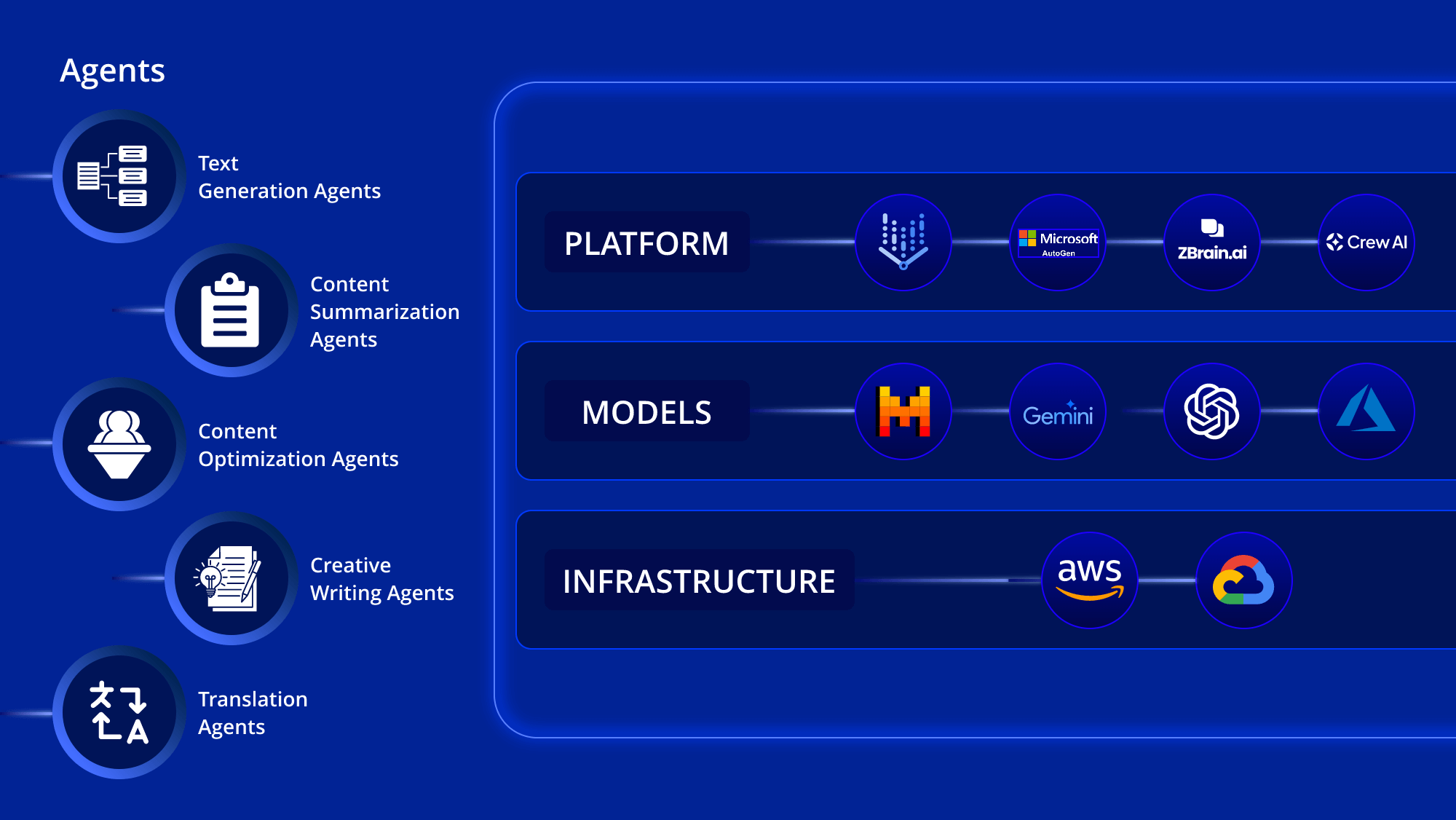
Agent: The Rise of Agentic AI Transforming Technology

Agent: The Rise of Agentic AI Changing the Landscape of Intelligent Agents
Artificial Intelligence (AI) has become essential in today's technology, fostering advancements in numerous fields. One of the intriguing developments in AI is agentic AI, or intelligent agents. These systems are built to operate independently, learning and adapting to new data. This article examines the importance of agentic AI, its uses, and its influence on the future of technology.
What is Agentic AI?
Agentic AI refers to intelligent agents that can operate with a certain level of independence, enabling them to make decisions and take actions without needing human input. These agents can perceive their surroundings, analyze information, and perform actions to reach specific objectives. They are designed to learn from their experiences and adjust to new situations, making them useful for a variety of applications.
Key Features of Agentic AI
1. Perception: Agentic AI systems can sense their environment using inputs like cameras, microphones, and sensors. This ability helps them collect data essential for making decisions.
2. Reasoning and Decision Making: These agents utilize algorithms and models to assess information, weigh options, and make informed choices. This often involves complex calculations and predictive analytics.
3. Learning and Adaptation: Machine learning is a core aspect of agentic AI, allowing agents to enhance their performance over time. By learning from previous experiences, they can adjust to new situations and improve their actions.
4. Autonomy: A defining characteristic of agentic AI is its capacity to function independently. This autonomy is vital for tasks that require immediate responses with minimal human oversight.
Uses of Intelligent Agents
Intelligent agents are revolutionizing various industries by optimizing operations and increasing efficiency. Here are some key applications:
1. Customer Service
AI-driven chatbots and virtual assistants are transforming customer service. These agents can manage inquiries, provide information, and resolve issues at any time. By minimizing the need for human involvement, businesses can improve customer satisfaction and lower operational costs.
2. Healthcare
In healthcare, agentic AI is utilized for patient monitoring, diagnosis, and treatment planning. Intelligent agents can analyze medical data, recognize patterns, and assist healthcare providers in making accurate diagnoses. They also play a crucial role in personalized medicine, customizing treatments to meet individual patient needs.
3. Autonomous Vehicles
Autonomous vehicles heavily depend on agentic AI to navigate and make real-time decisions. These intelligent agents analyze data from sensors and cameras to comprehend their environment and ensure safe driving. This technology has the potential to reduce traffic accidents and enhance transportation efficiency.
4. Finance
In the finance sector, intelligent agents are employed for algorithmic trading, risk assessment, and fraud detection. These systems can sift through large volumes of financial data, identify trends, and execute trades quickly, giving financial institutions a competitive advantage.
5. Smart Homes
Agentic AI is fundamental to smart home technology, allowing devices to communicate and function together seamlessly. From adjusting thermostats to managing security systems, intelligent agents improve convenience and energy efficiency in homes.
The Impact of Agentic AI on Society
The growth of agentic AI is changing how we live and work. Here are some significant societal impacts:
Increased Efficiency and Productivity
By automating routine tasks, intelligent agents allow human resources to focus on more complex and creative work. This transition leads to greater productivity and efficiency across various industries.
Enhanced Decision Making
Agentic AI systems offer valuable insights by analyzing data and recognizing patterns. These insights provide decision-makers with actionable information, resulting in more informed and effective choices.
Ethical and Privacy Issues
Like any technology, the rise of agentic AI brings ethical and privacy challenges. The autonomy of intelligent agents requires strong regulatory frameworks to ensure responsible use and protect user data.
Job Transformation
While agentic AI may eliminate certain jobs, it also creates new opportunities by fostering innovation and increasing demand for AI-related skills. The workforce must adapt by learning new skills and embracing lifelong education.
The Future of Agentic AI
The future of agentic AI looks bright, with ongoing research and development expanding the capabilities of these agents. Here are some expected trends:
Human-AI Collaboration
As intelligent agents become more advanced, the emphasis will shift toward seamless collaboration between humans and AI. These agents will act as valuable partners, enhancing human capabilities and improving decision-making.
Progress in Machine Learning
Continued advancements in machine learning will allow agentic AI to process and understand complex data sets more effectively. This progress will lead to more accurate predictions and improved performance across various applications.
Expansion into New Areas
Agentic AI is likely to extend into new fields, such as agriculture, education, and environmental conservation. In agriculture, intelligent agents can optimize crop yields through precision farming. In education, they can customize learning experiences for students, addressing individual needs and learning styles.
Ethical AI Development
As agentic AI becomes more widespread, ethical considerations will gain importance. Developers will focus on creating AI systems that are transparent, fair, and accountable. This commitment to ethical AI development will foster trust with users and ensure responsible implementation.
Conclusion
Agentic AI is a transformative force in the world of intelligent agents, offering significant opportunities to enhance efficiency, productivity, and decision-making across various sectors. While challenges like ethical concerns and job displacement need to be addressed, the potential advantages of agentic AI are substantial. As technology continues to advance, intelligent agents will increasingly shape the future, drive innovation, and improve quality of life globally. Embracing this technology responsibly will unlock its full potential and lead to a smarter, more interconnected world.
Sources
- AI Agents Mastery Guide 2026 - Building AI Agents in 2026: Chatbots to Agentic Architectures
- AI Agent Components Power Generative Engine Optimizations - 8 Top Core AI Agent Components
- What Is an AI Agent? - And What AI Agents Mean for Your Brand’s Visibility